





Introduction — Welcome to the Alpilles around Les Baux
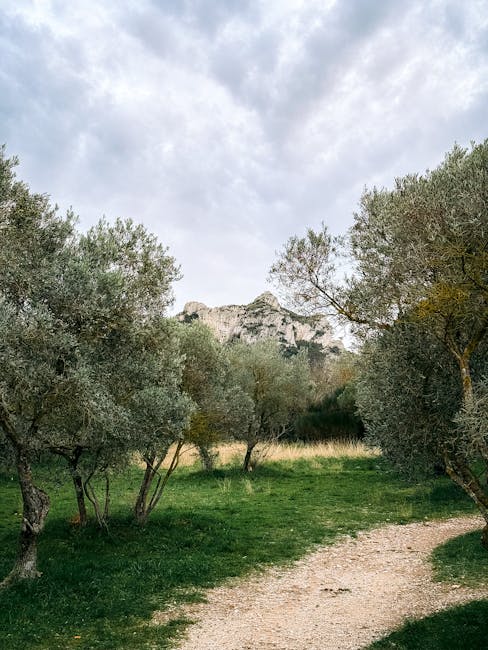
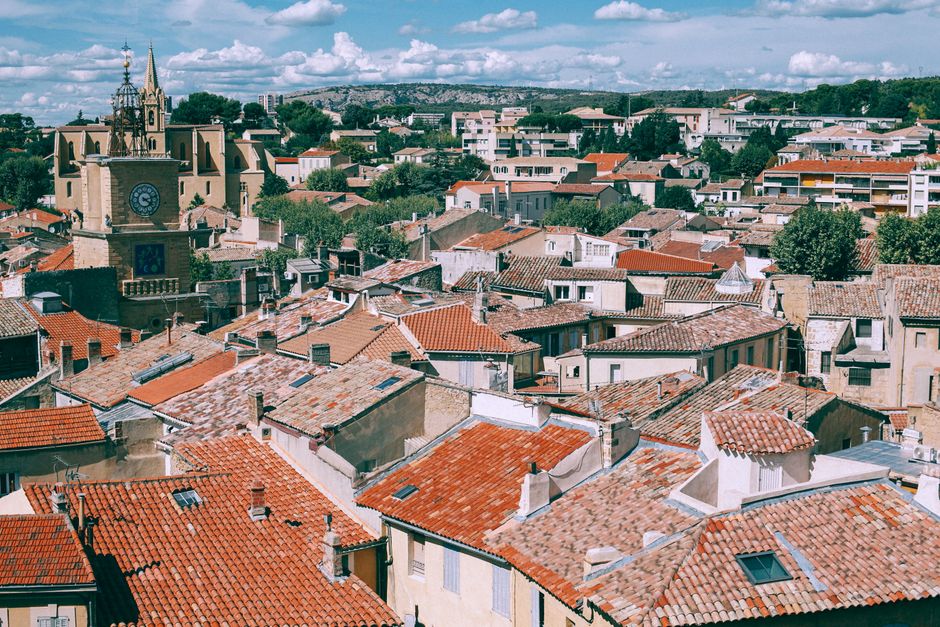
Perched like a delicate mineral lace between the Crau plain and the Rhône valley, the Alpilles pack some of Provence’s most enchanting landscapes, heritage and ways of life into a compact area. At the heart of this limestone massif, the village of Les Baux-de-Provence and its surroundings are a little Provence in miniature: ancient olive groves, sunbaked scrubby hills, stone-built villages, archaeological vestiges and vineyards smelling of garrigue. This general guide points you to the 10 must-see sites around Les Baux, combining practical details (exact addresses, opening hours, prices), immersive descriptions and on-the-ground tips so you can make the most of each visit.
Whether you’re planning a day trip from Arles or Avignon, a slow weekend to breathe Provence, or a few days of walking, this guide gives you a clear, detailed roadmap. You’ll find headline attractions — like the Carrières de Lumières and Les Baux Castle — as well as quieter gems: windmills, Provençal markets, olive producers and lesser-known hiking paths. Each site is described from a local expert’s perspective: best time to visit, which entrance to use, how to avoid queues, and how to combine activities into a coherent day.
The Alpilles are also seasonal: summers bring harsh light and larger crowds; spring and autumn are perfect for gentle walks; winter offers silence, bird song and almost-empty villages. Practical info given here (prices in euros, addresses, opening hours) reflects typical practice but can change — I recommend checking official sites before you go to confirm seasonal hours and exceptional closures.
The guide also includes local tips — where to park without stress, which trails work best with kids, which producers to favor for olive oil or wine, and how to pack several visits into a great day around Les Baux. Lace up your walking shoes, grab your camera and a good hat: the Alpilles reveal themselves slowly, in small strokes, between stone, olive trees and views that last a lifetime.
1. Carrières de Lumières — Immersive spectacle in the rock
Address: Route des Carrières, 13520 Les Baux-de-Provence.
Opening hours: vary with the program; typically 9:30am–6:00pm in low season and up to 8:30pm in high season. Closed some days in winter; check the official website before visiting.
Prices (indicative): Adults €14, Reduced €11 (students, seniors), Children (6–17) €8, free for under 6s. Special rates for temporary exhibitions and concerts.
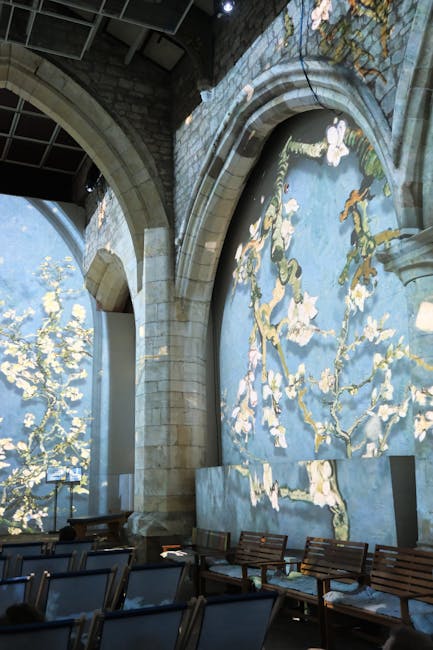
Immersive description: Carrières de Lumières occupies former stone quarries carved like an amphitheater, with natural rock faces ideal for giant projections. Since being reborn as a digital show space, walls, floors and the very air come alive with luminous frescoes and immersive soundscapes. Imagine a dark space, rough rock, then suddenly millions of colors and fine detail pour across the stone: paintings that move, shifting perspectives, orchestral music swelling the emotion. Shows are often thematic — Klimt, Van Gogh, Picasso or great classical works — and they rotate regularly, giving you a reason to come back each season.
Local tips: arrive at opening time to enjoy fewer visitors; morning sessions are great for families. The site is accessible but bring a warm layer: the quarry stays cool year-round. Buy a combined ticket if you also plan to visit the village or the Castle the same day (periodic offers available). Photography without flash is allowed to capture the mood, but respect areas reserved for sound-and-light performances.
2. Château des Baux — Medieval fortress with sweeping views
Address: Château des Baux, Route du Château, 13520 Les Baux-de-Provence.
Opening hours: generally open 9:30am–7:00pm (April to September); reduced hours in low season (10:00am–5:00pm). May close for special events.
Prices (indicative): Adults €12, Reduced €9 (students, jobseekers), Children (7–17) €6, free for under 7s. Combined tickets with the Carrières de Lumières are sometimes available.
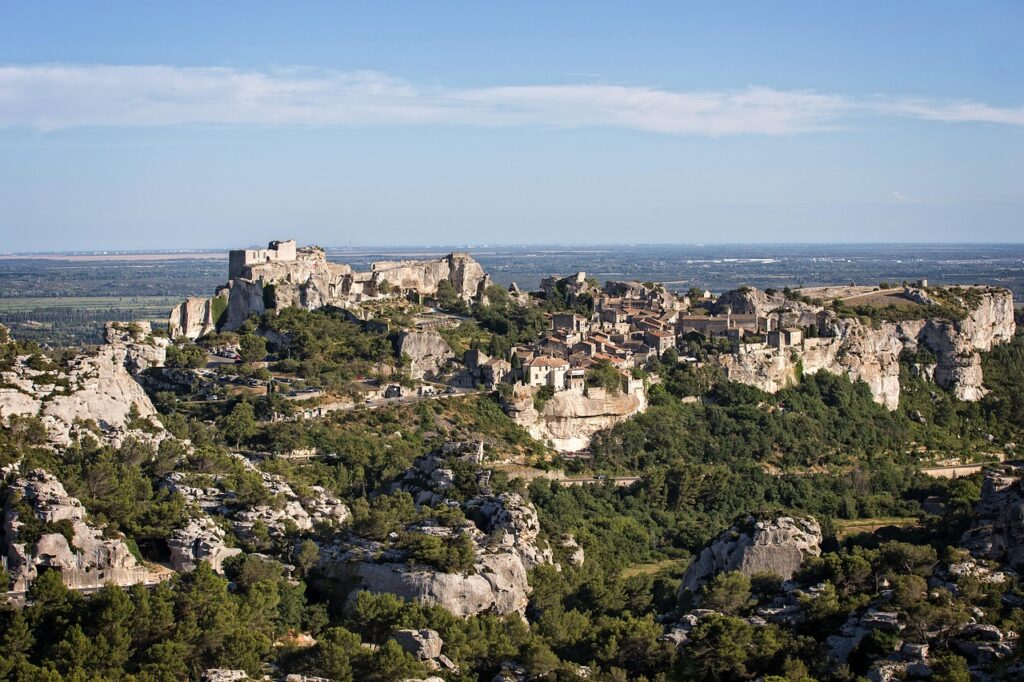
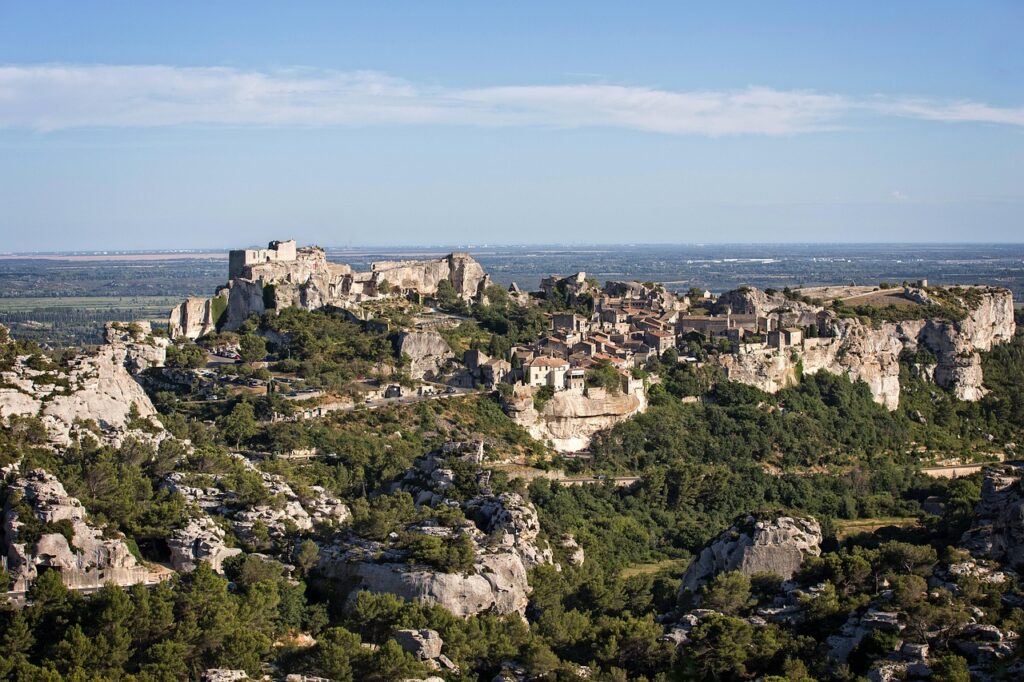
Immersive description: Perched above the valley, the Château des Baux is a collection of impressive ruins that speak to the site’s strategic importance from the 12th to the 15th century. Walls, towers and keeps frame spectacular panoramas across the Alpilles. Walking the ramparts you feel the terrain beneath you: silver olive groves, patchwork plains and scattered villages at your feet; on clear days the bluish silhouette of Mont Ventoux or distant ridges punctuates the horizon. Inside, reconstructed scenes, interpretive panels and summer historical demonstrations (siege engines, live demonstrations, falconry) bring the medieval past to life.
Local tips: visit in the late afternoon to catch the golden light that flatters the ochre stone and makes for beautiful photos without harsh contrast. Wear sturdy shoes: surfaces are uneven and can be slippery. Access is possible by shuttle from the village car park (paid parking in summer); village parking is limited — aim to arrive early morning or after 5pm in summer. Consider a combined Castle + Carrières ticket if you plan a show the same day.
3. Saint-Rémy-de-Provence and Glanum — Provençal market and ancient ruins
Addresses:
- Place Jean Jaurès (market) — Place Jean Jaurès, 13210 Saint-Rémy-de-Provence.
- Glanum archaeological site — Rue du Temple, 13210 Saint-Rémy-de-Provence.
Opening hours:
- Saint-Rémy market: main market every Wednesday morning from 8:00am to 12:30pm; smaller markets on Saturdays depending on season.
- Glanum: generally open 9:30am–6:00pm; hours vary with the season.
Prices (indicative):
- Market: free to wander; product prices vary by producer.
- Glanum entry: Adults €7, Reduced €5, Children (under 12) often free or reduced.
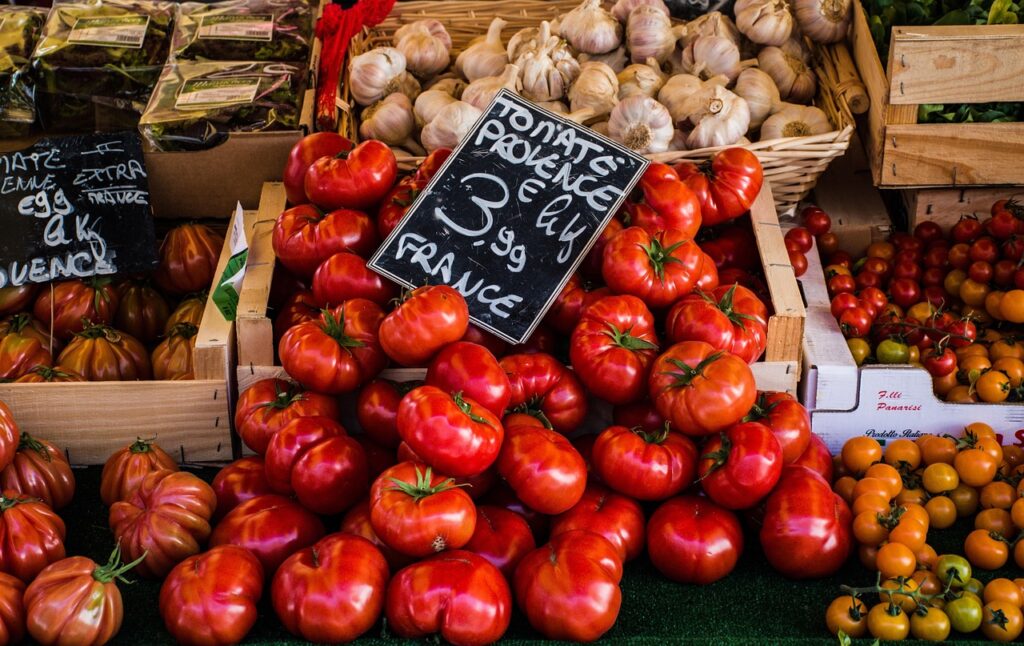
Immersive description: Saint-Rémy-de-Provence is a small town with intact charm — pedestrian streets lined with plane trees, café terraces, art galleries and craft shops. Wednesday’s market is a sensory feast: Provençal herbs, cheeses, charcuterie, handmade soaps and lively producers calling out their wares. A short walk away, the Glanum archaeological site takes you back to Roman and pre-Roman times: triumphal arches, urban remains and rock-cut tombs. The Arc de Glanum and the Mausoleum of the Julii are highlights where history meets Provençal sunlight.
Local tips: arrive early at the market to avoid crowds and snag the best products (farm cheeses, honey, olive oil). For Glanum, choose morning or late afternoon to avoid heat and large tour groups. Pair the visit with lunch at one of the town’s small inns (try Provençal dishes like soupe au pistou, anchoïade or tielle sétoise as a starter) and a stroll through the lanes. Art lovers will note Van Gogh’s stay in Saint-Rémy — several “In Van Gogh’s Footsteps” routes are signposted.
4. Les Antiques and the Olive Route — Roman history and olive oil
Address: Les Antiques (near Glanum) — Route de Glanum, 13210 Saint-Rémy-de-Provence.
Opening hours: often accessible during Glanum’s opening hours; the outdoor site is open continuously while shops/visitor centers usually follow Glanum’s schedule (seasonal 9:30am–6:00pm).
Prices: outdoor areas free to access; guided tours and exhibitions may be paid depending on programming (€5–€10).
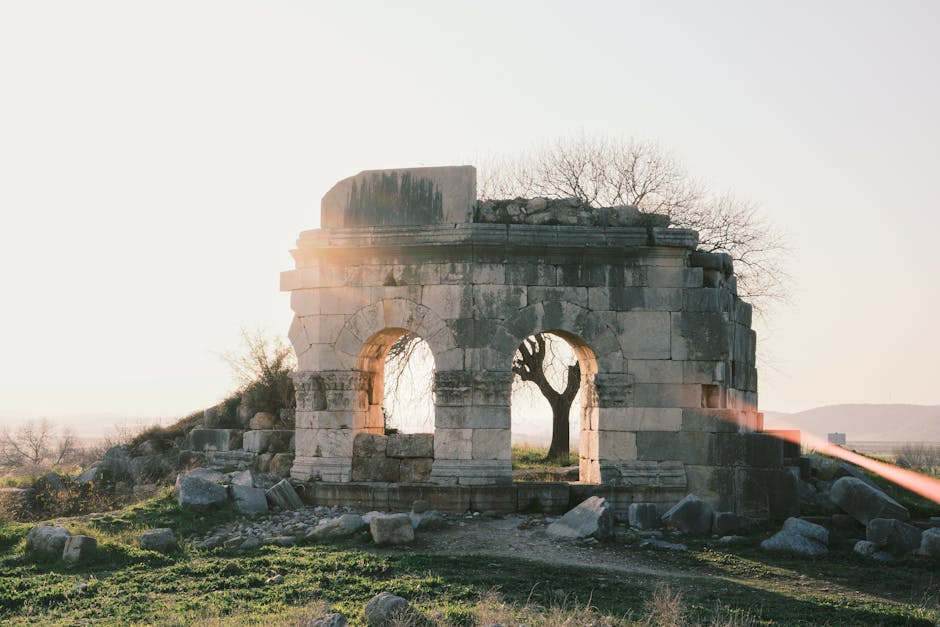
Immersive description: Les Antiques, with its large mausoleum and a rare Roman triumphal arch, stands among the best-preserved Roman ensembles in Provence. Nearby olive groves and traditional mills link the site to another Alpilles treasure: olive oil. The Olive Route winds through villages like Maussane-les-Alpilles, Paradou and Fontvieille, passing oil mills and family estates. Many millers open their doors for tastings and sales: new-season green-fruity oils, organic varieties, and olive-oil-based soaps.
Local tips: book a tasting at a local mill (reservations recommended in high season) to learn the differences between oils (first cold press, green-fruity, mellow). Buy glass bottles rather than plastic to preserve quality. For the drive, prefer a light car — the small roads are charming but winding. If you visit in November–December you might catch harvest and pressing: an authentic moment for photos and conversations with producers.
5. Maussane-les-Alpilles and the Olive Oil Museum — Oleiculture traditions
Address: Museum of Garlic and Olive (sometimes at Château de Montauban) — Place de la Mairie, 13520 Maussane-les-Alpilles. (Note: several small museums/visitor centers exist; check the exact address for the current exhibition.)
Opening hours: local museums often open 10:00am–12:30pm and 2:30pm–6:00pm; hours vary by season and some are closed on certain Mondays.
Prices: Museum entry €4–€8 depending on the exhibition; tasting workshops €10–€20 per person.
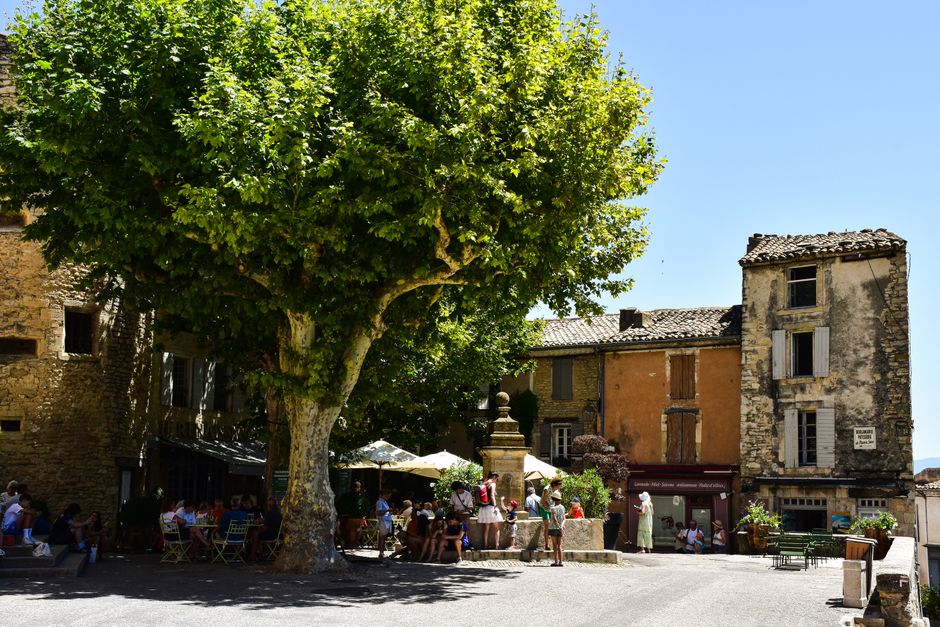
Immersive description: Maussane-les-Alpilles is the living heart of olive culture. The village, with its shaded square and friendly cafés, is a great starting point for cultural routes about olive growing. Small museums and olive houses explain traditional methods (stone presses, millstones, tree varieties), technical evolution and current issues (organic farming, PDO). The visit engages the senses: the smell of fresh olive paste, the texture of the pulp, and the tasting aromas.
Local tips: combine the museum visit with a tasting at a nearby mill (book ahead). When buying, favor PDO “Huile d’olive des Baux-de-Provence” labels and ask for a tasting sheet to note characteristics (herbal, almond, artichoke notes). For gifts, choose 250ml or 500ml glass bottles to preserve authenticity.
6. Fontvieille and Daudet’s Windmill — Literary landscape and milling
Address: Moulin de Daudet, Route des Moulins, 13990 Fontvieille.
Opening hours: the exterior site is freely accessible; guided tours operate seasonally (typically 10:00am–6:00pm) — check exact summer opening times.
Prices: free access to the mill and park; guided visits or the local museum €3–€6 per person.
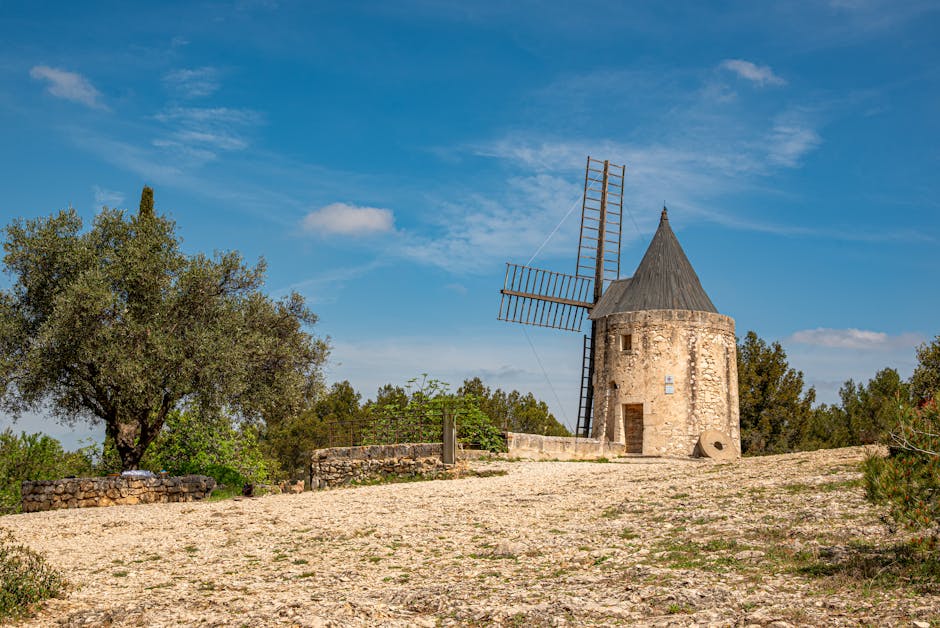
Immersive description: Daudet’s Windmill, famous from Alphonse Daudet’s writing, stands in the flat, windy landscape of Fontvieille. The contrast with the Alpilles’ rocky hills is striking — a white mill dominating the plain. The site is peaceful, ideal for walks; you can visit its milling stones and enjoy views across the garrigue. Nearby paths make for easy family-friendly strolls past fields and small rural chapels.
Local tips: pair the mill with a stop in Fontvieille village to taste local specialties. Photographers will find dawn or sunset the best times to capture the mill’s silhouette in low, slanting light. Watch the wind: bring a windbreaker, especially in spring and autumn.
7. Eygalières and a stroll through the lanes — Typical village and panoramas
Address: Village of Eygalières, 13810 Eygalières.
Opening hours: the village is freely accessible; shops and restaurants have varying hours (shops often 9:00am–7:00pm; restaurants 12:00pm–2:30pm and 7:00pm–10:00pm).
Prices: free to wander; costs vary for museums or local events (€3–€15).
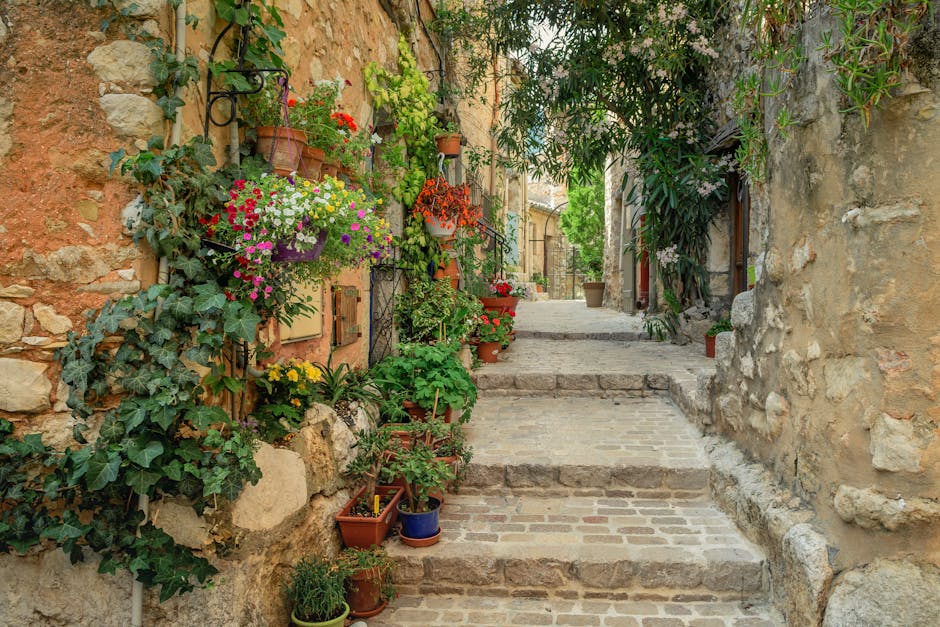
Immersive description: Eygalières is a quieter village built on a rocky plateau with narrow lanes, pretty stone facades, small shaded squares and sweeping views of the Alpilles ridges. As you wander, you’ll find artisan workshops, contemporary galleries and neat houses. The Belvedere is the highlight — a viewpoint that takes in the olive groves and surrounding ridges. The atmosphere is less touristy than Les Baux, perfect for sensing everyday Provençal life.
Local tips: park on the outskirts and walk up to enjoy the gradual discovery. Try small village inns for simple, well-prepared Provençal food. Hikers will find many trails from Eygalières into the Alpilles — pick marked loop routes to avoid backtracking.
8. Hiking in the Parc naturel régional des Alpilles — Trails and biodiversity
Head office address (tourist info): Maison du Parc naturel régional des Alpilles — Place Bourguet or local tourist offices depending on the commune; contact details vary (check the Parc des Alpilles official site for the nearest office).
Opening hours: information centers typically open 9:00am–12:30pm and 2:00pm–5:30pm on weekdays; some offices open on Saturdays in season.
Prices: trail access is free; guided activities are paid (€10–€25 depending on duration).
Immersive description: The Parc naturel régional des Alpilles protects a mosaic of habitats: dry grasslands, limestone hills, pine woods and wetlands. Well-marked trails showcase Mediterranean flora (thyme, rosemary, mastic) and discreet wildlife (lizards, raptors). Routes range from easy village loops to more challenging ridge walks with rocky passages. Views from the Alpilles’ crests provide a clear reading of Provençal countryside: patchwork fields, perched villages and blue ridgelines on the horizon.
Local tips: wear sturdy footwear, carry plenty of water (1.5–2 liters per person in summer) and bring a map or GPS app. Respect park rules (no fires, dogs on leash in certain zones). Top trails that combine views and rock include the Les Baux loop, the Baume aux Caisses circuit and the ridges toward the Montagnette. For a guided experience, check with local offices for themed walks (botany, geology, photography) often offered in small groups.
9. Domaine de Manville — Luxury hotel, golf and olive groves
Address: Domaine de Manville, 2450 Route de Maussane, 13520 Les Baux-de-Provence. (Hotel complex and estate.)
Opening hours: reception 24/7 for guests; restaurants usually 12:00pm–2:30pm and 7:00pm–10:00pm; spa and facilities by reservation.
Prices: rooms from around €200–€450 per night depending on season and room category; golf green fees vary (€80–€150 depending on period). Restaurants and spa are charged à la carte.
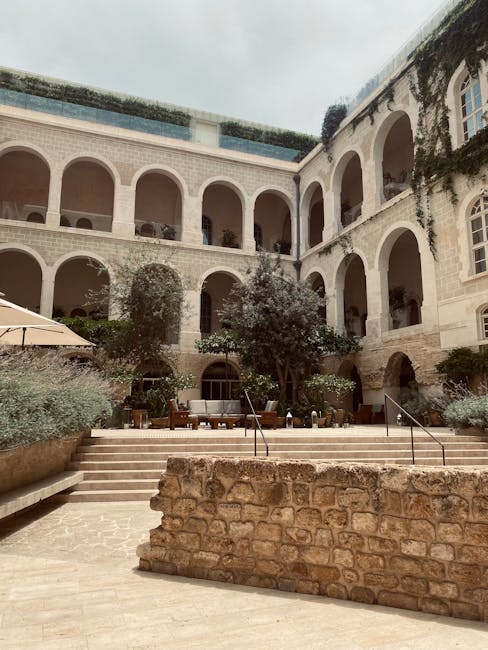
Immersive description: Domaine de Manville is a luxury estate set among olive groves, blending contemporary architecture with Provençal ambiance. The property offers elegant rooms and suites, a spa, several restaurants and an 18-hole golf course embedded in the natural landscape. Walks through the estate reveal thoughtful agricultural practices: lined olive trees, hedges and sensitive landscape integration. It’s a refined spot for a well-earned stop after exploring the Alpilles.
Local tips: book well in advance for high season. Even if you’re not a guest, you can reserve a table at the restaurant or a spa slot to enjoy the setting. For a more budget-friendly visit, choose lunch at the domain’s bistro rather than a formal dinner. Golf enthusiasts will appreciate the course quality and the views of the Alpilles from some holes.
10. Le Paradou and the Painters’ Circuit — Art, galleries and cobbled lanes
Address: Le Paradou, 13520 Le Paradou (village and access to local trails and galleries).
Opening hours: village and galleries open according to local schedules (galleries often 10:00am–12:30pm and 3:00pm–7:00pm); workshops by appointment.
Prices: free to wander; workshops and exhibitions priced by organizer (€5–€20).
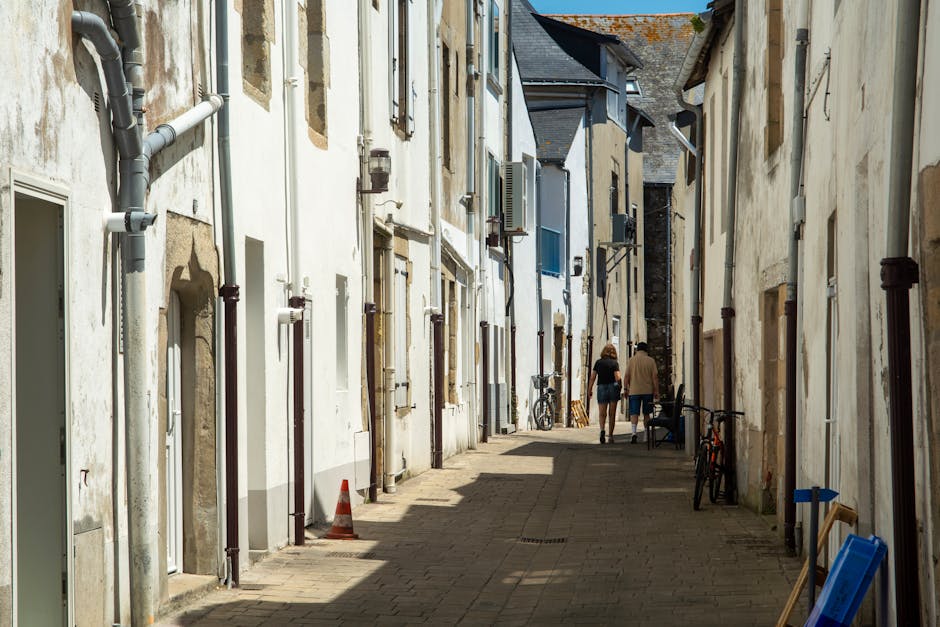
Immersive description: Le Paradou is a discreet starting point for bike and walking outings and a cluster of small art galleries and craftspeople. The Painters’ Circuit (sometimes locally waymarked) highlights viewpoints that inspired modern and contemporary artists. The village has a simple charm: low houses, cobbled lanes, and squares that invite a pause. Surrounding paths through oaks and olive groves reward short rambles with many views over the Alpilles and nearby villages.
Local tips: combine a morning in Le Paradou with gallery visits and a countryside picnic. The village is a good base for electric-bike outings if you want to cover more ground without getting exhausted. Ask the local tourist office about temporary art trails and openings — a pleasant way to meet local artists and take home a unique souvenir.
Conclusion — Planning your stay around Les Baux
Putting together an efficient itinerary around Les Baux takes a little planning but rewards you richly: shifting landscapes, millennia-old heritage, great food and passionate artisans. For a day trip from Avignon or Arles, combine the Château des Baux and Carrières de Lumières in the morning (or swap the order for different light), then head to Saint-Rémy-de-Provence and Glanum for lunch and a stroll. If you have a weekend, add a morning at Domaine de Manville or a visit to an oil mill in Maussane, then spend a half-day in Fontvieille and at Daudet’s Windmill to round out the Provençal palette.
Practical final tips: always check opening times and seasonal closures (especially Carrières de Lumières and local museums), book guided activities or tastings in advance during summer and long weekends, and favor low-impact mobility (electric bikes, walking) to really feel the place. Logistically, parking at Les Baux can be paid and limited in high season — arrive early or plan for a shuttle. For purchases, prefer PDO “Baux-de-Provence” olive oil, local herbs and artisanal products bought directly from producers.
Finally, leave room for serendipity: a break under a plane tree, a chat with a producer, a local concert, or that late-day light that turns stone to gold — these are the moments that will make your trip to the Alpilles around Les Baux a lasting memory. Safe travels and happy discoveries in the Alpilles around Les Baux — a place where every cobbled lane, every olive tree and every view tells a Provençal story.