





Introduction
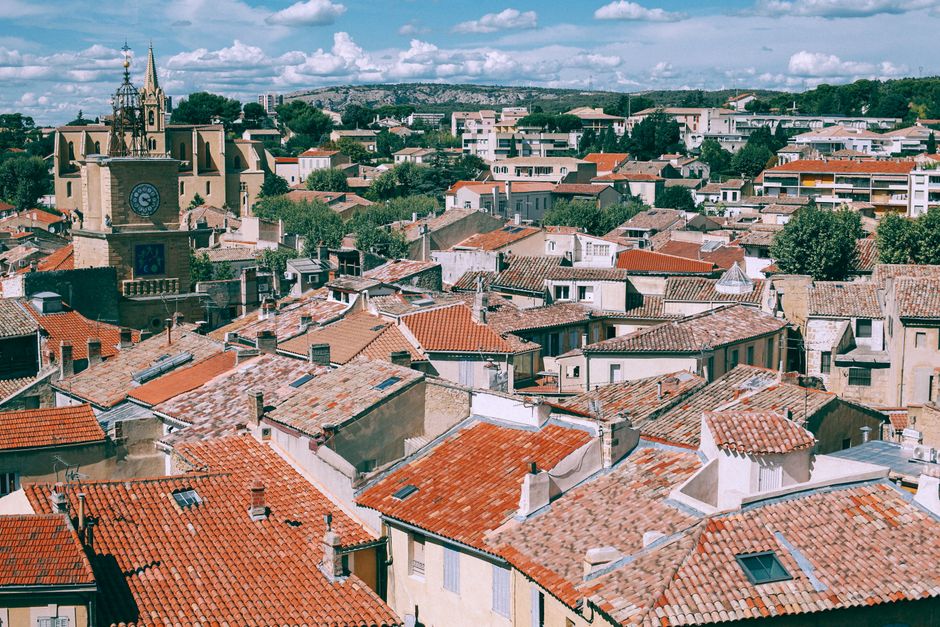
Provence is the stuff of daydreams: endless lavender fields, hilltop villages, turquoise-water coves, colorful markets and a light that drew Van Gogh, Cézanne and countless other artists. But travelers often face a simple yet crucial question: when to visit Provence to get the most out of this vast, varied region? Between the Mediterranean coast, the alpine massifs of the Verdon and the plains of the Camargue, Provence has microclimates that dramatically affect what you’ll experience and see.
This in-depth guide walks you through Provence’s weather month by month, with practical tips, exact addresses, indicative prices and opening hours for major sites. The goal is to give you the keys to pick the ideal time based on what you want: swimming, hiking, photography, festivals or rural immersion. You’ll also find local advice to avoid tourist traps, make the most of your visits and protect fragile environments (natural parks, lavender fields, calanques).
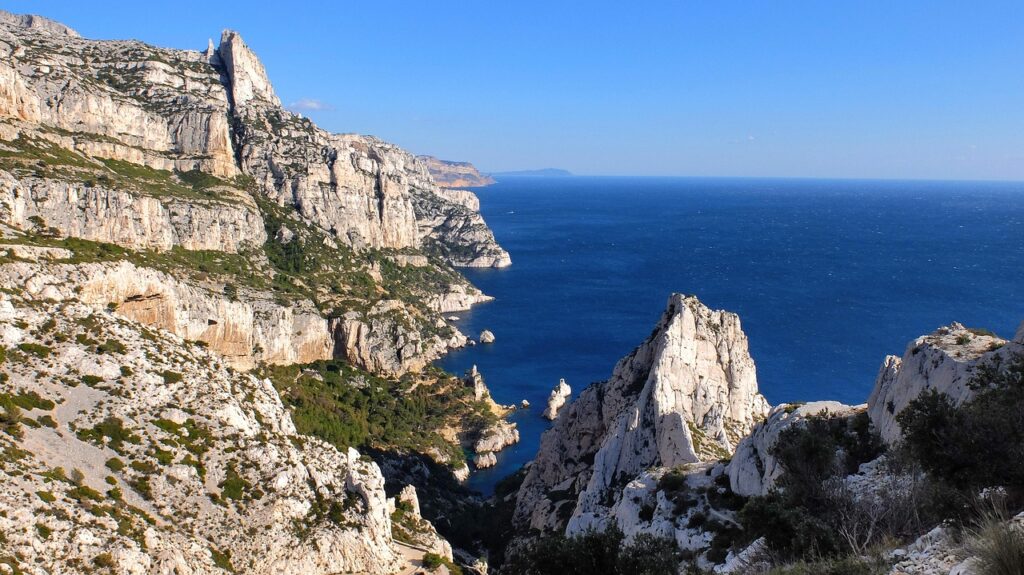
Provence isn’t just a destination, it’s a mosaic: Marseille and its Old Port, Aix-en-Provence and the Cours Mirabeau, Avignon and the Palais des Papes, the Luberon with Gordes and Roussillon, the Camargue and its herds, and the Gorges du Verdon. Each place has its ideal season. For example, if you want to photograph lavender in bloom, aim for late June and July on the Plateau de Valensole; for swimming and the calanques, summer brings warm water but heavy crowds, while spring and autumn are perfect for hiking thanks to mild temperatures and lush nature.
This article gives concrete information: exact addresses (handy for GPS), recent entrance fees (in euros), typical opening times, suggested itineraries and local tips to maximize your time. We’ll also cover practical matters: when to book, how to get around (car, train, boat), and how to dodge crowds while respecting the sites. Finally, you’ll find recommendations on camera gear, what clothes to pack by season and useful contacts so your trip is smooth and memorable.
Understanding Provence’s climate: overview and microclimates
Provence has a Mediterranean climate on the coast and plains, with hot, dry summers and mild winters, while the inland highlands and mountain zones (Mont Ventoux, Alpes-de-Haute-Provence) are cooler and sometimes snowy. Three main factors shape local weather:
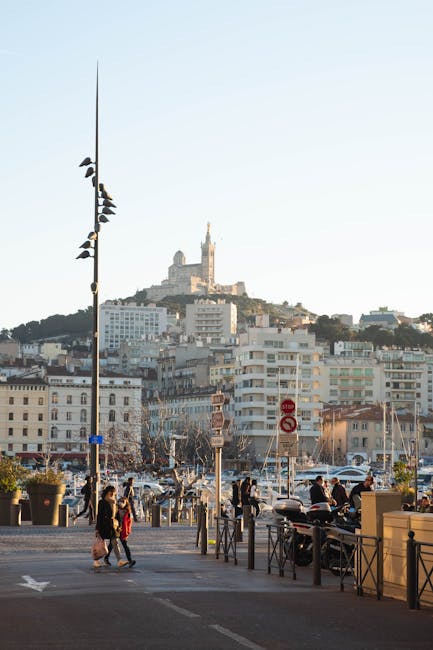
- The Mistral: a cold, dry wind from the northwest, common in spring and winter. It can make days feel chilly despite clear skies and strongly affects sailing and swimming. Practical example: on Marseille’s Old Port (Quai du Port, 13002 Marseille) gusts can reach 70 km/h, disrupting boat outings.
- The Mediterranean Sea: moderates winters along the coast but also fuels violent autumn storms (September–October). Sea temperatures follow their own calendar: rapid warming at the start of summer, lingering coolness in late spring.
- Altitude: the Verdon, Luberon and Ventoux areas have sharper temperature swings, with cool nights even in summer. In the mountains, snow can persist into spring.
Some quick figures to place things:
- Marseille (coast): summer 27–33 °C, winter 7–13 °C. Sea temperatures range from 13 °C in March to 24–26 °C in August.
- Aix-en-Provence (inland): summer 25–34 °C, with cooler nights than the coast.
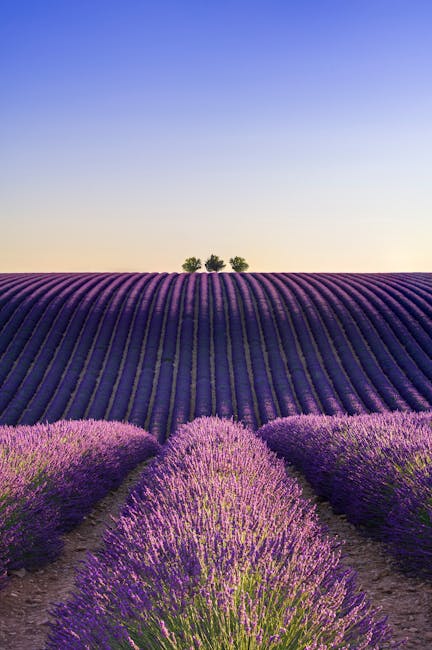
- Plateau de Valensole (500–600 m): hot, dry summers with cooler nights; lavender usually blooms late June–early July depending on altitude.
- Alpes-de-Haute-Provence / Mont Ventoux: large temperature swings, possible snow in winter.
Practical consequences:
- If you’re coming for beaches and water sports, favor July–August for warm sea water, but expect heavy crowds and higher accommodation prices (e.g. double rooms in Cassis in August often ≥ €120–200/night).
- For hiking and landscape photography, May–June and September–October are great compromises: pleasant temperatures, soft light and fewer people.
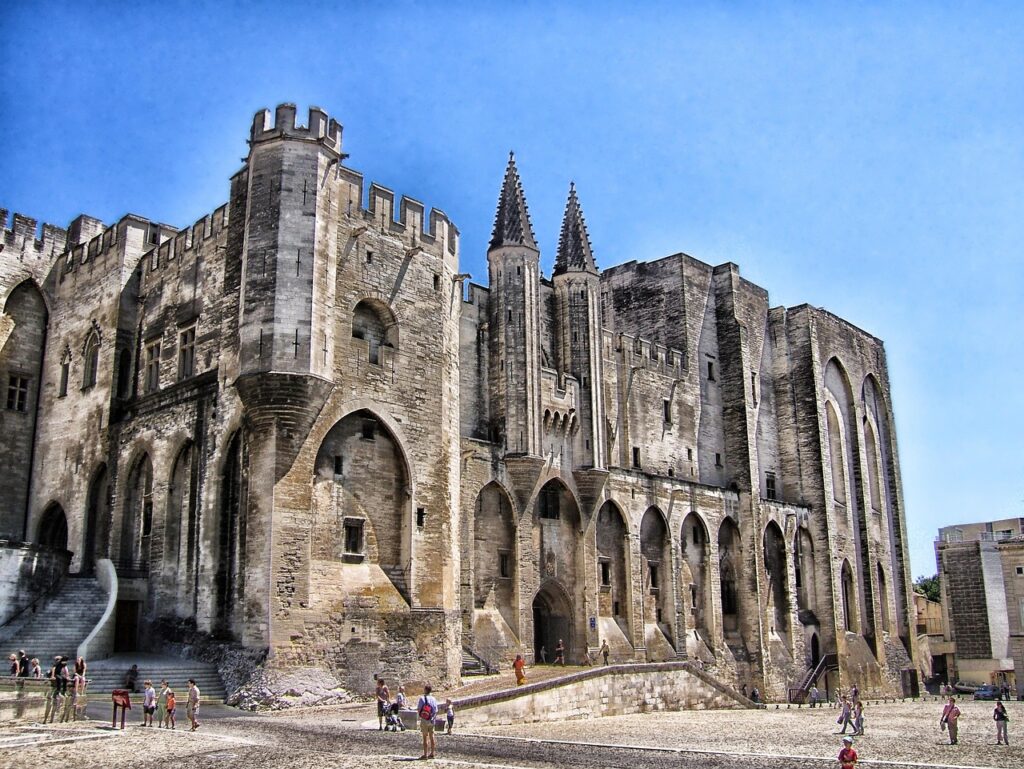
- For festival and cultural life (Avignon Festival, music festivals), check event calendars: the Avignon Festival usually takes place in July (Palais des Papes, Place du Palais, 84000 Avignon).
Month by month: detailed weather and practical tips
Here’s a month-by-month overview of what to expect weather-wise, recommended activities, addresses and price/time indications to plan your visits.
January
Climate: cool winter, especially at night. Mild but windy on the coast. Mountains often snowy.
- Temperatures: coast 6–12 °C, inland and high altitude 0–8 °C.
- Activities: winter hikes, museum visits and historic towns, birdwatching in the Camargue.
- Recommended sites: Musée Granet (Place Saint-Jean-de-Malte, 13100 Aix-en-Provence) — hours: Tuesday–Sunday 10:00–18:00, closed Monday; typical price: €8–€12. Tip: visit in the morning to avoid school groups.
February
Climate: similar to January with some sunny days. The Mistral can blow.
- Activities: urban sketching, farmers’ markets, street photography in Marseille and Aix.
- Useful address: Old Port of Marseille (Quai du Port, 13002 Marseille) — perfect for a morning stroll. Free to visit, shops open in the morning. Local tip: try a fish soup at Le Rhul (Plage du Prado, 13008 Marseille); menu roughly €25–€45 depending on the dish.
March
Climate: early spring, first blooms, rising daytime temperatures but cool nights.
- Activities: start of the season to visit the calanques without crowds (check access), local markets, early almond blossom in the Alpilles.
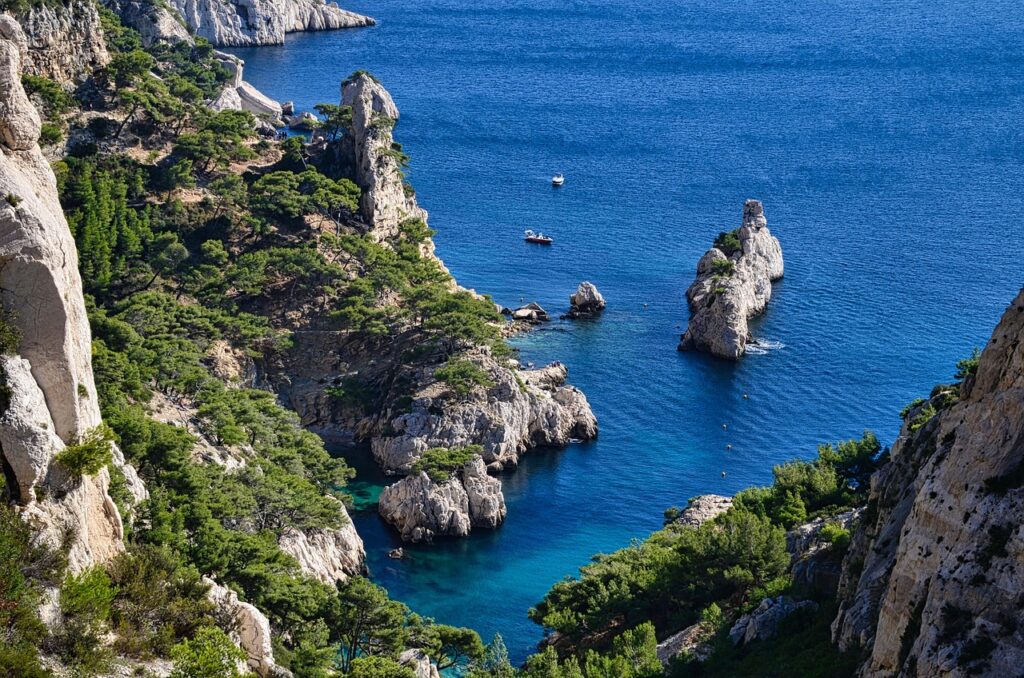
- Practical: Calanques National Park (Tourist Office, 13260 Cassis) — hikes available; shuttle boat tickets in season €8–€15 round trip. In March, some boats may still run depending on the weather.
April
Climate: longer days and abundant blooms. Occasional showers but pleasant for sightseeing.
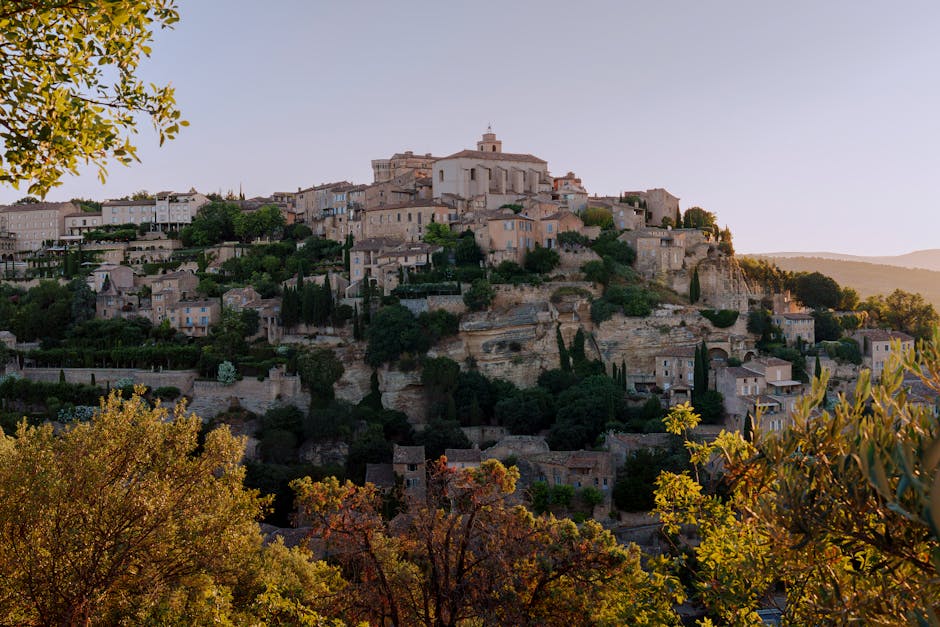
- Activities: hiking in the Luberon (Gordes, Roussillon), cycling, spring markets.
- Address: Village of Gordes (Place du Château, 84220 Gordes) — viewpoints open all day, paid parking may apply depending on season (≈ €5–€8/day).
May
Climate: very pleasant, mild temperatures, lush vegetation. Lower crowds compared with summer.
- Activities: ideal for hiking, bike touring in the Alpilles, Gorges du Verdon; swimming possible from late May.
- Tips: book accommodation and some activities in advance (kayak rentals in the Gorges du Verdon). Example: kayak rental at Base Nautique du Verdon, Route de la Presqu’île, 04120 Castellane — approximate price €20–€40/hour.
June
Climate: warming from mid-June, some lavender in areas, long days.
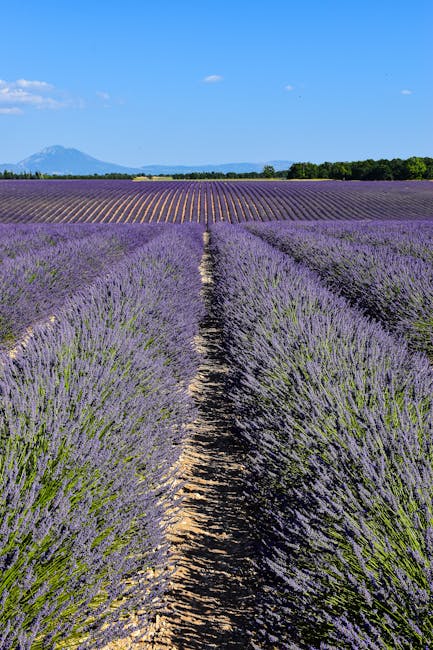
- Activities: lavender photography, village exploration, regular early-season swims.
- Lavender: Plateau de Valensole (Plateau de Valensole, 04310 Valensole). Tip: bloom timing varies with altitude; aim for late June–early July for most fields. Parkings near the D6 may charge during peak periods (≈ €2–€5).
July
Climate: high summer, hot and dry, very busy on the coast. Watch for heat waves and fire risk.
- Activities: beaches, boat trips to the calanques and islands, festivals (Avignon Festival).
- Festivals: Avignon Festival (Palais des Papes, Place du Palais, 84000 Avignon) — dates usually in July; ticket prices vary €10–€50 depending on the show. Booking strongly recommended.
- Practical tips: plan visits early morning or late afternoon to avoid midday heat; accommodation prices rise—double rooms often ≥ €120/night in July in tourist areas.
August
Climate: the hottest and most touristic month. Beaches and villages are crowded; the Mistral can sometimes cool things down.
- Activities: if you can take the crowds, this is prime beach time. Otherwise, favor evenings or head inland to quieter spots.
- Practical example: Cassis (Quai des Moulins, 13260 Cassis) — boat trips to the calanques: €25–€40/adult, frequent departures in the morning and afternoon; book ahead.
September
Climate: often stable, pleasant weather, sea still warm and fewer visitors.
- Activities: great mix of beach and hiking, grape harvests at some wineries.
- Wine: tastings and visits at Domaine de la Tour des Camps (Route de la Tour, 13220 Châteauneuf-du-Pape) — visits by appointment, tastings €10–€20 depending on the offer.
October
Climate: mild autumn, changing colors, Mediterranean storms possible late in the month.
- Activities: hikes on Mont Ventoux, cultural visits in Avignon and Aix, birdwatching for migrants in the Camargue.
- Useful address: Camargue Regional Nature Park (Maison du Parc, 1 Boulevard Victor Hugo, 13200 Arles) — hours vary, typically 9:00–17:00, free entry; guided activities €8–€20.
November
Climate: cooling down, more frequent rain, wintery atmospheres perfect for exploring local gastronomy and covered markets.
- Activities: city tourism, museum visits, restaurant outings. Arles and Aix offer rich cultural walks off-season.
- Address: Arles Amphitheatre (Place de la République, 13200 Arles) — visits 9:00–18:00; price ~ €8–€12.
December
Climate: mild winter on the coast, snow sometimes in higher areas. Festive atmosphere at Christmas markets in major towns.
- Activities: Christmas markets in Aix-en-Provence (Cours Mirabeau, 13100 Aix-en-Provence), winter Provençal cuisine.
- Tip: take advantage of lower accommodation rates outside holiday periods. Transport: some seasonal lines (calanques shuttles) are closed.
Best times by activity: beaches, hiking, lavender, festivals
The best time depends mainly on what you want to do. Here’s a practical guide by major activity:
For beaches and water sports
Best period: mid-June to late September. The sea is warm and days are long. Seaside towns like Cassis (Quai des Moulins, 13260 Cassis) and the beaches of La Ciotat (Plage de la Grande Mer, 13600 La Ciotat) are lively. Prices rise noticeably in July–August: expect to pay €15–€30 for a sunbed on some private beaches, and restaurants often list tourist menus starting around €18–€30 for a main course.
For hiking and cycling
Best period: April–June and September–October. Ideal conditions on trails in the Luberon Regional Natural Park (Place Jean Jaurès, 84400 Apt) or the Gorges du Verdon (Route du Balcon, 04120 Moustiers-Sainte-Marie). Practical info:
- Guided hikes in the Gorges du Verdon: departures from Moustiers-Sainte-Marie — guided rates ≈ €25–€60/day depending on length and supplied gear.
- Electric bike rental in Aix-en-Provence: La Maison Vélo, 12 Rue Espariat, 13100 Aix-en-Provence — rates ≈ €30–€45/day.
For lavender in bloom
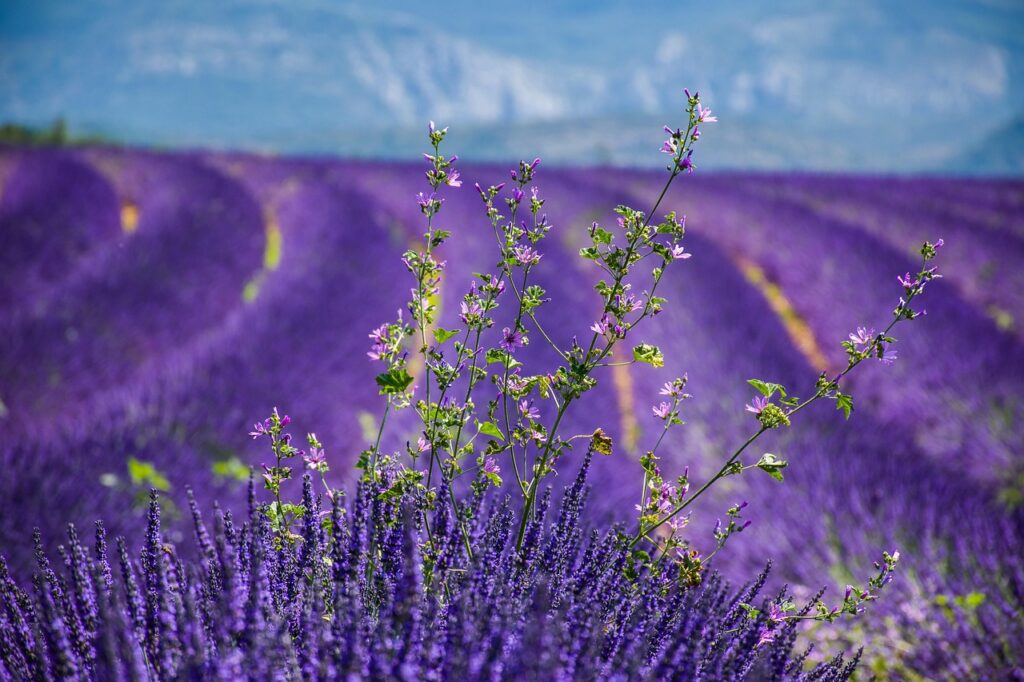
Best period: late June–mid-July, depending on altitude and the previous winter. Famous zones:
- Plateau de Valensole, 04310 Valensole — access via D6/D957; parking is limited during bloom, local signs show routes.
- Ochre Trail in Roussillon (Place de la Mairie, 84220 Roussillon) offers a colorful alternative when lavender isn’t the star, and is very photogenic.
Tips: respect private fields, don’t trample rows, get up early for the best light and coolest temperatures, and carry water (dry heat).
For festivals and cultural life
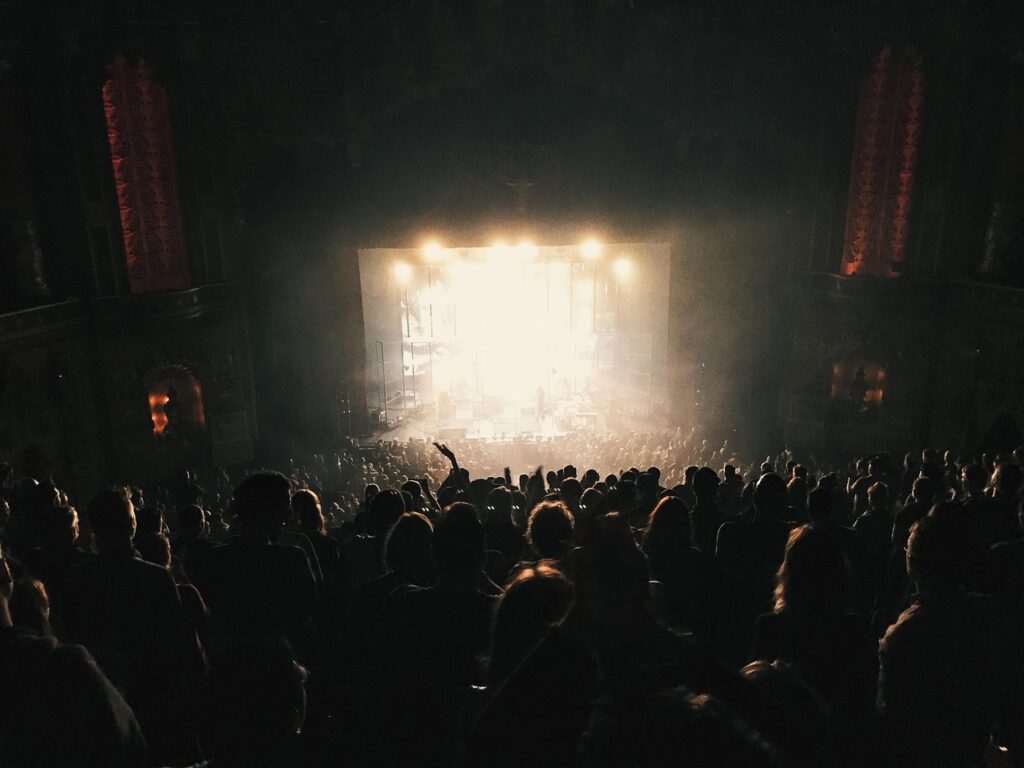
Best period: June–September depending on events. Major events include:
- Avignon Festival (Palais des Papes, Place du Palais, 84000 Avignon) — July; tickets on site or online; prices vary €10–€50.
- Les Rencontres d’Arles (various venues in Arles, 13200 Arles) — photography festival in July; exhibitions sometimes charge €5–€12.
Suggested itineraries, practical addresses and local tips
To help plan your stay, here are three sample itineraries (short, medium, long) with addresses, hours and indicative prices, plus logistical tips.
Short itinerary (3 days): Marseille and Cassis
- Day 1 — Marseille: visit the Old Port (Quai du Port, 13002 Marseille), climb to Notre-Dame de la Garde (Rue Fort du Sanctuaire, 13281 Marseille Cedex 06) — free access, church hours: 7:00–19:00 in summer, 8:00–18:00 in winter. Tip: go at sunrise for the views and fewer people.
- Day 2 — Calanques: boat departures from Cassis (Quai des Moulins, 13260 Cassis) — price ≈ €25–€40; hikes possible from Calanque d’En-Vau.
- Day 3 — Historic neighborhoods and food: Noailles market, try bouillabaisse (Le Rhul or Chez Fonfon, Port de l’Estaque, depending on taste).
Medium itinerary (7 days): Luberon, Gordes, Roussillon, Avignon
- Day 1–2 — Aix-en-Provence: Cours Mirabeau, Musée Granet (Place Saint-Jean-de-Malte, 13100 Aix-en-Provence) — hours 10:00–18:00, price €8–€12.
- Day 3 — Gordes (Place du Château, 84220 Gordes) and Sénanque Abbey (Abbaye Notre-Dame de Sénanque, 84220 Gordes) — visiting hours vary, abbey entry €6–€8.
- Day 4 — Roussillon: Ochre Trail (Place de la Mairie, 84220 Roussillon) — open access, preservation fee ≈ €3–€6.
- Day 5–7 — Avignon: Palais des Papes (Place du Palais, 84000 Avignon) — high season hours 9:00–19:00, full price ≈ €12–€15. Stroll the Pont d’Avignon and visit the morning market at Les Halles.
Long itinerary (10–14 days): Camargue, Arles, Les Baux, Verdon
- Camargue: nature park, herds and flamingo watching — free access; guided 4×4 tours by local operators: rates ≈ €50–€90/day.
- Arles: Arles Amphitheatre (Place de la République, 13200 Arles) — visits 9:00–18:00, price €8–€12; Fondation Van Gogh, museums and historic cafés.
- Les Baux-de-Provence: Château des Baux (Route des Baux, 13520 Les Baux-de-Provence) — hours 10:00–18:00, price around €11–€13. Nearby: Carrières de Lumières (Route des Baux, 13520 Les Baux-de-Provence) — audiovisual shows, tickets €12–€15.
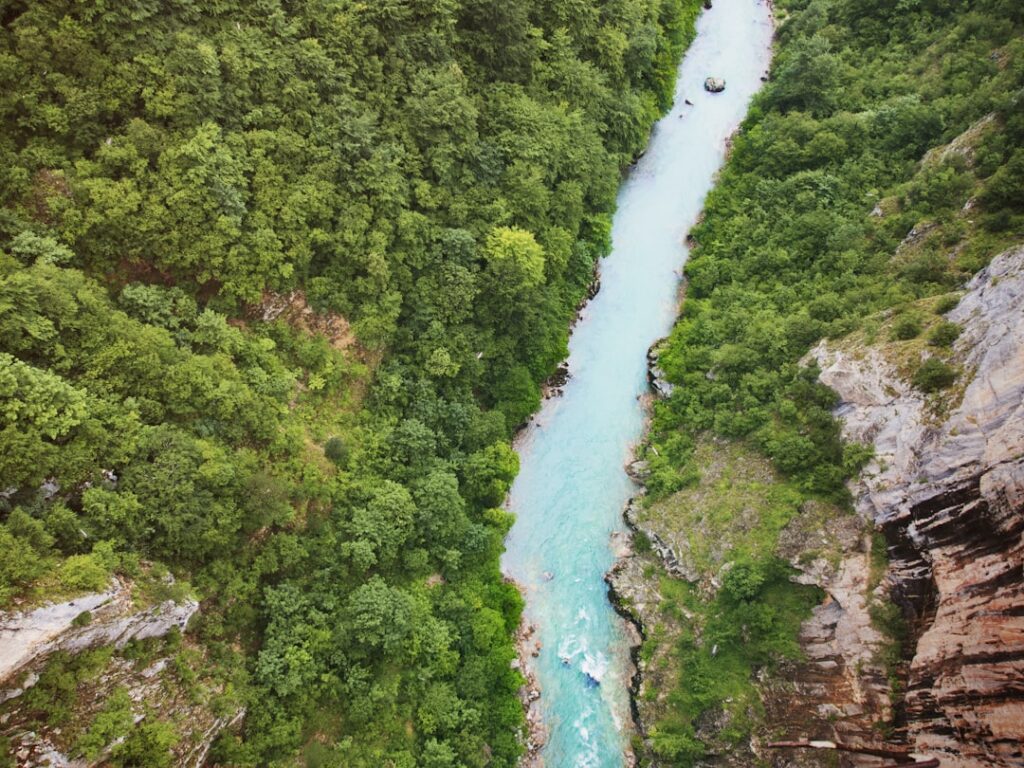
- Gorges du Verdon: water activities and hikes; canoe/kayak or via ferrata rentals, prices ≈ €20–€60 depending on activity.
Logistics tips
- Transport: renting a car is often the most efficient way to explore the hinterland. Expect ≈ €35–€80/day depending on season. Major TGV stations: Aix-en-Provence TGV Station (Avenue Jules Ferry, 13290 Aix-en-Provence) and Avignon TGV Station (Boulevard Pasteur, 84000 Avignon).
- Booking: July–August require advance bookings for accommodation and activities. In contrast, April–May and September offer more availability and gentler prices.
- Respect: some sites (calanques, lavender fields) are vulnerable—don’t litter, stay on marked trails and respect private farmland.
Local tips and tricks for a smooth trip
Here are practical recommendations a local would give to help you get the most out of the region:
- Visiting hours: favor mornings (8:00–11:00) for popular sites and sunsets (18:00–21:00) for panoramic views and great light.
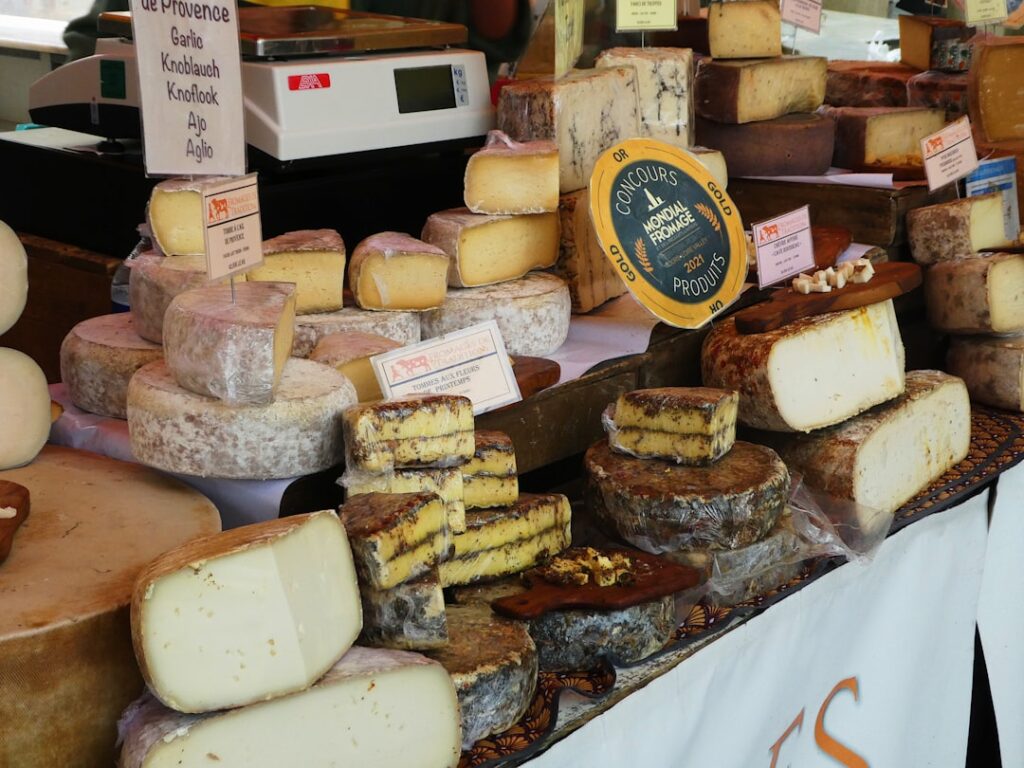
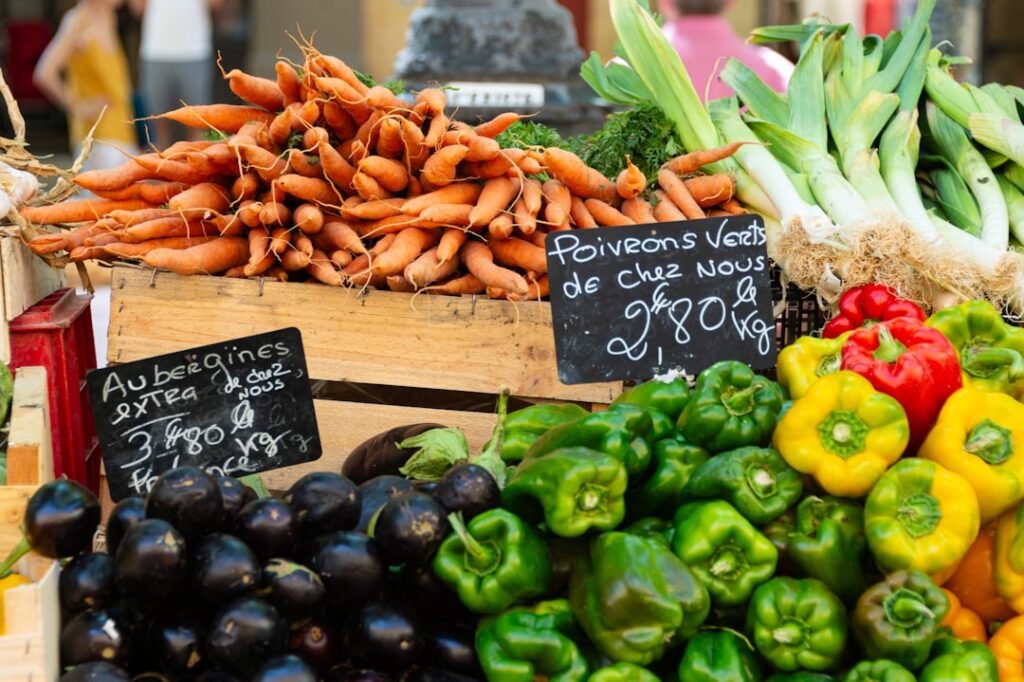
- Local markets: a must for tasting regional products: Les Halles d’Avignon (Rue Joseph Vernet, 84000 Avignon) usually open Tuesday–Sunday mornings; Aix-en-Provence market (Cours Mirabeau and nearby) is lively on Wednesdays and Saturdays.
- Budget: a meal at a local bistro €12–€25, fine dining €40–€100+. Museum and guide fees €5–€20 depending on the site.
- Health and safety: carry water and a hat in summer; wear sturdy shoes for the calcareous-red trails of the calanques.
- Fire prevention: in the dry season (June–September), avoid barbecues outdoors and follow local restrictions on access to massifs.
Conclusion
Deciding when to visit Provence depends first on your priorities: swimming, hiking, photography, festivals or simply wandering through villages. The best meteorological and crowd-wise compromises are usually in spring (April–June) and autumn (September–October), when the weather is mild, nature is generous and visitor numbers remain reasonable. Summer (July–August) is high season—perfect for warm sea and lively beach towns—but expect higher prices and busy sites.
This guide gave you concrete details: addresses (Palais des Papes — Place du Palais, 84000 Avignon; Notre-Dame de la Garde — Rue Fort du Sanctuaire, 13281 Marseille Cedex 06; Plateau de Valensole — 04310 Valensole; etc.), general opening times, indicative prices (museums €8–€15, shows €10–€50, water activities €25–€60), and sample itineraries for 3, 7 or 14 days. Use these markers to plan your trip based on the period and your interests. Don’t forget to book activities and lodging in high season, buy travel insurance if you plan on water or mountain sports, and leave time to savor the light and Provençal cuisine—markets, olive oil, local wines and specialties like bouillabaisse, tapenade and daube provençale.
Finally, for a respectful stay in Provence: respect lavender landowners, stay only on authorized trails in the calanques, and check access restrictions tied to fire risk. With a bit of planning you’ll have a memorable experience—whether it’s a cultural weekend in Avignon, a gourmet escape in Aix-en-Provence, a nature break in the Verdon or a contemplative pause among the lavender on the Plateau de Valensole.