





Introduction — Preparing Your Trip to Provence: Entry Requirements and Practical Tips
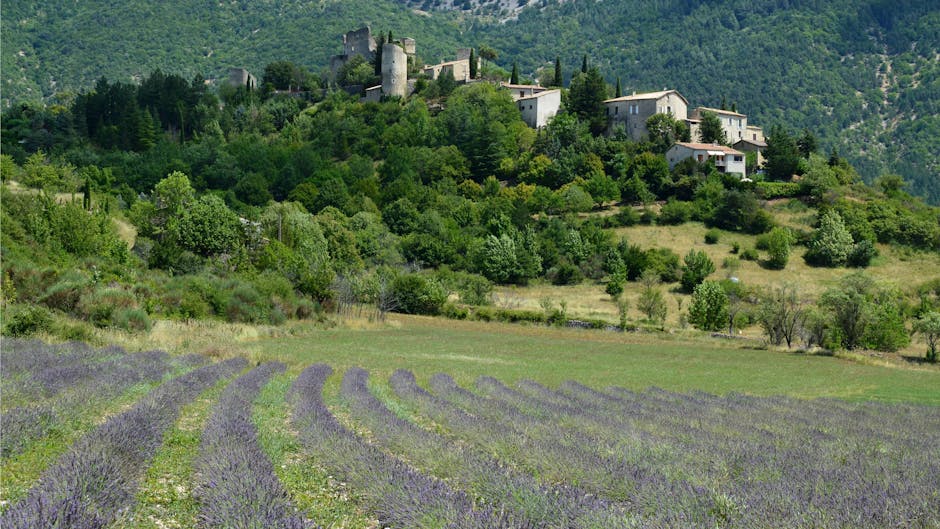
Provence, the sunny southeastern region of France, draws millions of visitors every year with its lavender fields, bustling Provençal markets, hilltop villages and rich historical heritage. Before wandering the streets of Aix-en-Provence, exploring the cliffs of the Calanques or strolling the ramparts of Avignon, it’s important to get a handle on the administrative, logistical and practical details that will make your stay smoother. This comprehensive guide is aimed at independent travelers, families, seniors and groups and covers everything you need to know: travel documents, border rules, insurance, transport options, health, local regulations, opening hours and ticket prices for major attractions, plus on-the-ground tips to avoid common mistakes.
Provence stretches from the Mediterranean Sea to the hills of the Vaucluse and the Luberon, and includes very different cities and sights: Marseille, Aix-en-Provence, Arles, Avignon, the Alpilles, the Luberon, the Gorges du Verdon, and more. Depending on where you’re coming from, entry requirements to France can vary: EU citizens need a valid national ID card or passport; non-EU nationals generally need a valid passport and, in many cases, a short-stay Schengen visa. Beyond paperwork, think about international health coverage, driving rules and cancellation/repatriation insurance. This guide provides precise addresses (prefectures, train stations, airports), prices in euros and indicative opening hours for major sights so you can plan accurately.
We also cover practical aspects: where to withdraw cash, how to buy skip-the-line tickets, how long to allow during peak season (July–August), and how to respect local environmental rules (waste reduction, protecting trails). The sections below detail entry and health formalities, required documents, transport and accommodation options, and practical info on must-see attractions with addresses and prices. At the end you’ll find a short conclusion and local tips to help you get the most out of Provence with peace of mind.
Travel Documents and Entry Requirements for France
Before traveling to Provence, check France’s entry requirements based on your nationality. Citizens of the European Union (EU), the European Economic Area (EEA) and Switzerland: a valid national ID card or passport is enough. Non-European travelers usually need a valid passport and, in many cases, a short-stay Schengen visa (type C) for tourist stays up to 90 days within a 180-day period.
Where to get or check a visa?
- Official sites: the French government portal (France-Visas): https://france-visas.gouv.fr — online procedures and a list of required documents.
- Embassies and consulates: contact the French embassy in your country of residence to handle procedures. Example: French Embassy in Rabat, Avenue Mohamed Ben Abdellah, Rabat, Morocco (example address — check locally).
Customs checks and rules for goods
When arriving in France by plane or international train you will go through passport control and, if needed, customs. Declare cash amounts over 10,000 euros. Some animal products and certain plants are restricted: check the full list on the French Customs website.
Practical documents to carry
- Passport / ID card (keep the number and expiry date easily accessible).
- Proof of travel insurance or the European Health Insurance Card (EHIC) for EU nationals.
- Hotel reservations and contact details (printed or accessible online with exact addresses).
- International driving permit if you plan to rent a car and your national license doesn’t use Latin characters; otherwise a national driving license is usually enough for EU residents.
Practical tips
- Scan or photograph all your documents (passport, visa, insurance card) and store them on a secure cloud.
- Save the address of your country’s embassy or consulate in France; for Paris, for example, the U.S. Embassy is at 2 Avenue Gabriel, 75008 Paris (main office), but many countries have regional consulates in Marseille and Nice.
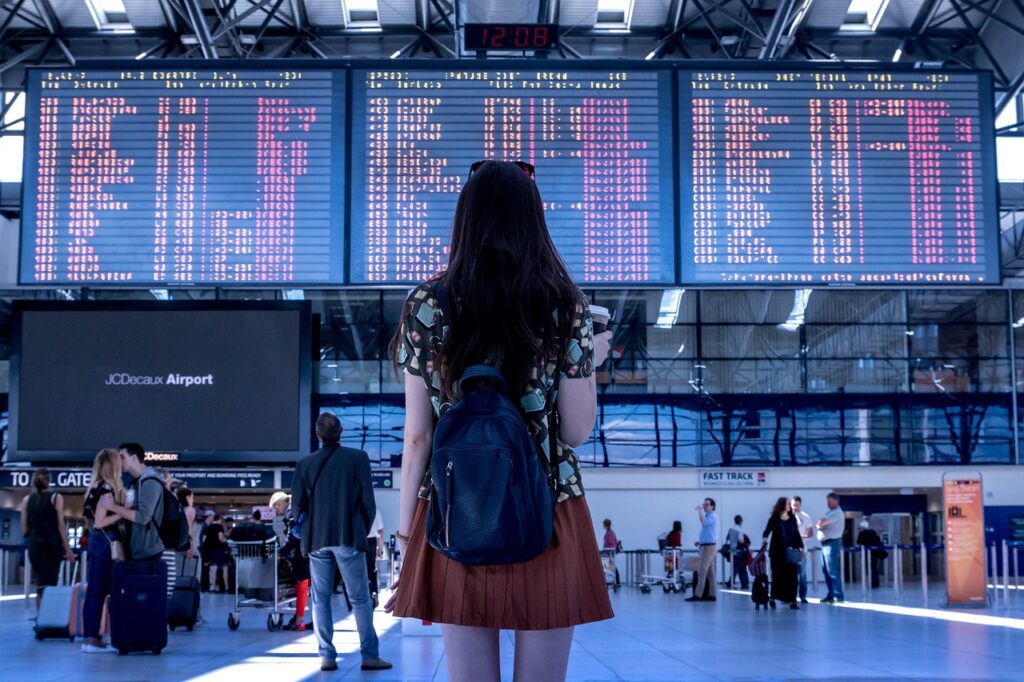
- If you arrive via Marseille Provence Airport (Aéroport Marseille Provence, 13727 Marignane), plan your transfer: shuttles, taxis, trains. The airport is open 24/7 but some airline counters close according to flight schedules.
Health, Insurance and Safety: What to Plan For
Health should be a top priority when traveling. Before heading to Provence, check your health coverage. EU citizens can request the European Health Insurance Card (EHIC), which gives access to medically necessary healthcare in EU countries and Switzerland on the same terms as locals. Useful contact: your local Health Insurance Fund — for example, CPAM des Bouches-du-Rhône, 56 Rue du Petit Péron, 13016 Marseille (opening times vary, appointment-based).
Recommended travel insurance
Choose travel insurance that covers cancellation, lost luggage and medical evacuation. Policies vary: short-stay basic coverage can cost around €10–30 per person, while comprehensive family or sports policies range from €50–150 depending on duration and options. Check deductibles and maximum reimbursement for medical expenses abroad.
Emergencies and important numbers
- European emergency number: 112 — emergency services (ambulance, police, fire).
- Poison control center: in France, call 01 40 05 48 48 for poisoning incidents.
- Regional hospital: Hôpital de la Timone, 264 Rue Saint-Pierre, 13005 Marseille — emergency department open 24/7.
Vaccinations and pharmacy
No specific vaccination is required to enter France except in exceptional cases from epidemic zones. Bring a small personalized first-aid kit (painkillers, plasters, antiseptic, remedies for digestive issues). Local pharmacies that are on duty are posted in towns; in Marseille, Pharmacie du Vieux-Port, 2 Place aux Huiles, 13001 Marseille, may offer extended hours depending on the season.
Local safety tips
- Keep your belongings secure in tourist areas (Old Port of Marseille, Avignon station, Cours Mirabeau in Aix) — pickpocketing can happen in summer.
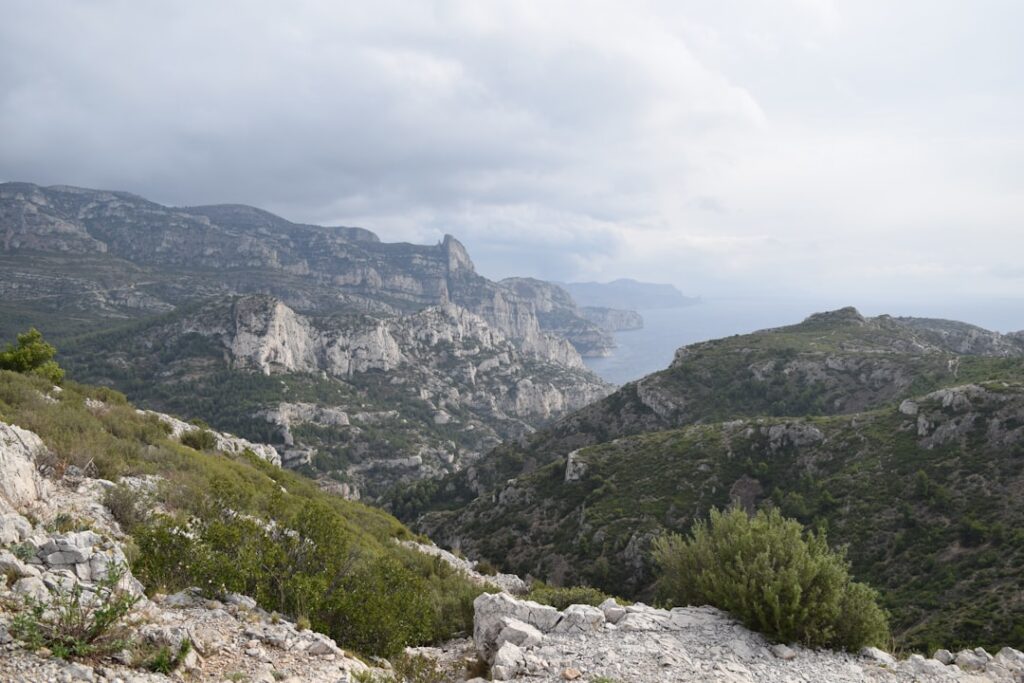
- When hiking (Calanques, Luberon massif), tell someone your route and head out early; in summer avoid the hottest hours. Coastal paths can be exposed and weather can change quickly.
- Follow national park rules (Calanques National Park, Luberon Regional Nature Park): no fires during dry season, keep dogs on a leash, and note restricted access in some zones.
Local Transport, Maps and Tips for Getting Around Provence
Getting around Provence is possible by train, car, bus or boat depending on your route. Here are the main options with addresses and practical pointers.
Main arrival points
- Marseille Provence Airport — 13727 Marignane. Shuttles, taxis and car rental desks are available. The « Aéroport Marseille-Provence » shuttle to Gare Saint-Charles costs about €8–12 per trip depending on the line and season. Paid parking is available on site (prices vary, roughly €6–20/day depending on the lot).
- Marseille-Saint-Charles Station — Place Gabriel Péri, 13001 Marseille. Regional TER trains, national TGVs and international trains. Buy tickets online or at the counters.
- Aix-en-Provence TGV Station — Avenue Jules Ferry, 13290 Aix-en-Provence. Direct TGV service to Paris, Lyon and other major cities. Regular shuttles to Aix city center (buses, taxis).
Regional trains — TER Provence-Alpes-Côte d’Azur
The TER PACA service connects main cities: Marseille — Aix-en-Provence — Avignon — Arles — Nice. Prices vary: short trips (Marseille–Aix) from about €4–8, longer trips (Marseille–Avignon) around €10–18 at standard fare. Schedules on https://www.ter.sncf.com/paca. Major stations have ticket machines and information desks.
Renting a car
To explore Luberon villages, the Alpilles or the Verdon roads, a car is the most convenient option. International car hire firms operate at the airport and in towns: Europcar (Agence Europcar Marseille Aéroport, Zone Véhicules, 13727 Marignane), Avis, Hertz. Indicative prices: €40–90/day depending on season and vehicle type. Book ahead in summer to secure the best rates.
Buses and soft mobility
- RTM network (Régie des Transports Métropolitains) for Marseille: buses and metro (single ticket ~€1.80, 10-ticket booklet ~€15). Timetables vary; metro generally runs from about 5:00 to midnight.
- Bike-sharing and rentals: Marseille, Aix-en-Provence and Avignon offer short-term bike hire services. Example: Marseille Bike Share (VLS) — stations throughout the city center.
Boats and crossings
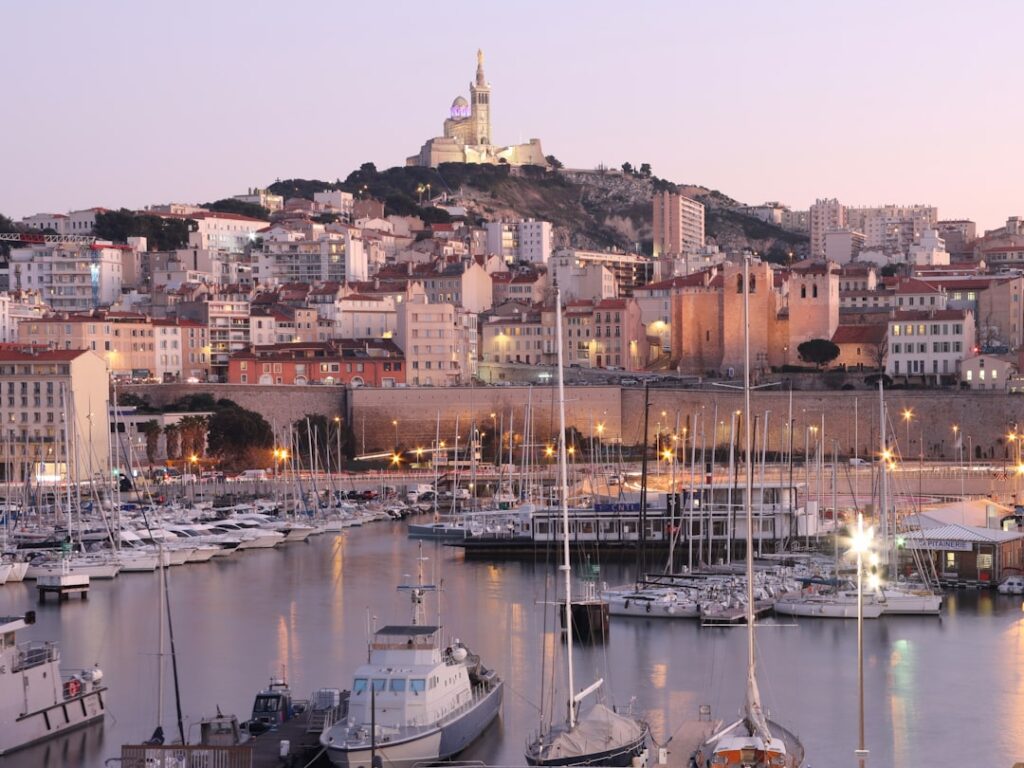
To visit the Frioul Islands and Château d’If: departures from Marseille Old Port (Quai de la Fraternité, 13001 Marseille). Company: Frioul If Express — round-trip around €22 for adults, €12 for children (indicative fares). Departures are frequent in season (every 30–60 minutes); check the company website or the Old Port ticket desk for exact times.
Practical transport tips
- Book train tickets in advance for TGVs and some interregional routes to get the best fares (SNCF / oui.sncf).
- In high season (July–August), allow extra travel time by car: scenic routes are busy and parking is limited in historic centers.
- To visit hilltop villages (Gordes, Roussillon) and natural sites (Gorges du Verdon), a compact car is recommended — roads can be narrow and parking sometimes paid (€2–5/hour depending on the town).
Major Tourist Sites — Addresses, Opening Hours and Prices
Here’s a selection of unmissable Provence sights with exact addresses, typical opening hours and indicative prices. These details are for guidance and may change with the season or special events; check official sites before you go.
-
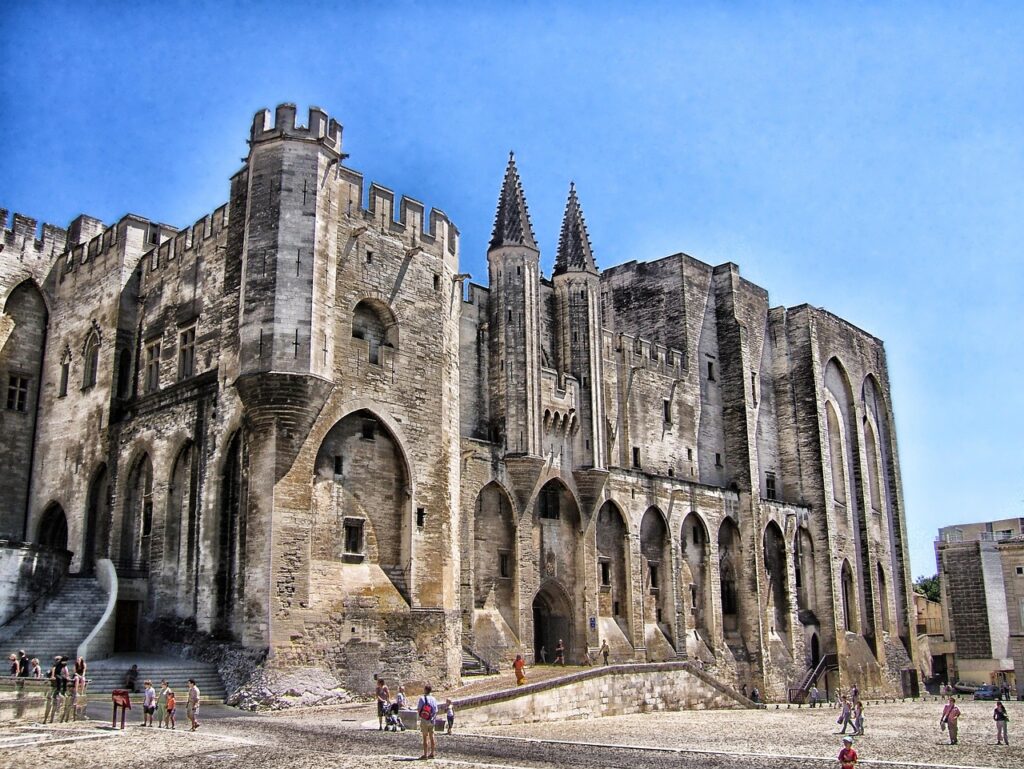
Palais des Papes — Avignon
Address: Palais des Papes, Place du Palais, 84000 Avignon.
Opening times: generally open daily (April–September 9:30–19:00; October–March 9:30–17:30; hours may vary during events).
Price: full-price ticket about €12–15; reduced €9–12; free for EU residents under 18. Audio guides often included or available for an extra €3–5. -
MUCEM — Museum of European and Mediterranean Civilizations
Address: MUCEM, 7 Promenade Robert Laffont, 13002 Marseille.
Opening times: open Tuesday–Sunday, 10:00–18:00 (night openings some days).
Price: permanent collection ticket around €11; temporary exhibitions vary (€8–15). Free access to some permanent collections on certain days (check ahead). -
Château d’If (Frioul Islands)
Departure: Old Port of Marseille, Quai de la Fraternité, 13001 Marseille.
Opening times: frequent seasonal departures (approx. 8:30–18:00); last return times depend on tides and season.
Price: boat + château access about €22 round-trip for adults; discounts for children and families. -
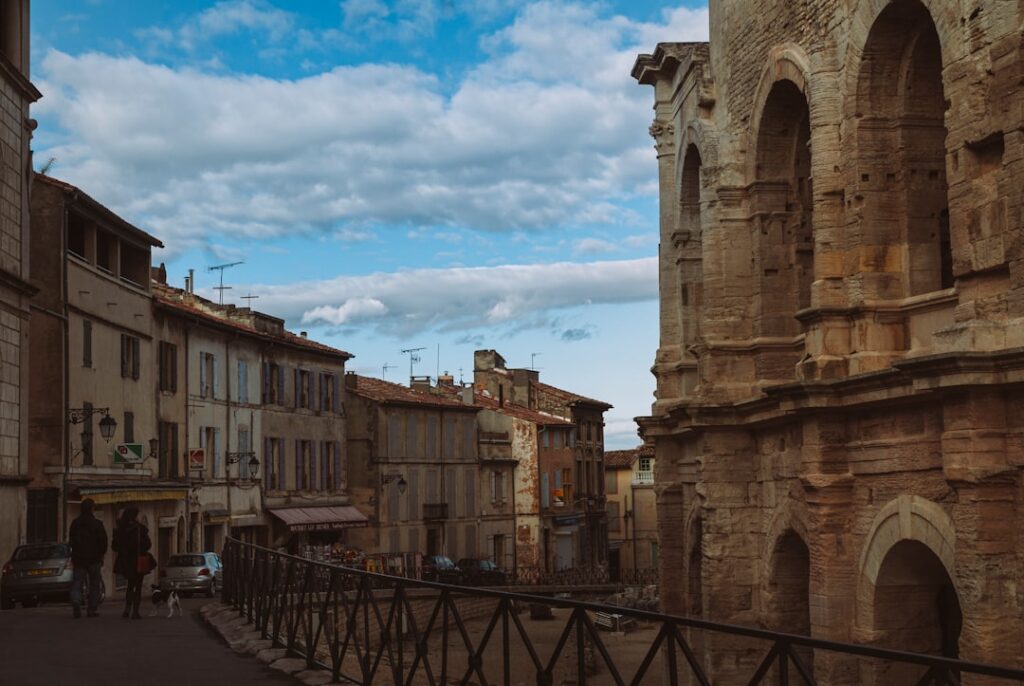
Arles Amphitheatre — Roman Arena
Address: Arènes d’Arles, 1 Rond-Point des Arènes, 13200 Arles.
Opening times: open daily (hours vary by season, commonly 9:30–18:00).
Price: adult entry about €9–12; reduced rates and guided tours available. -
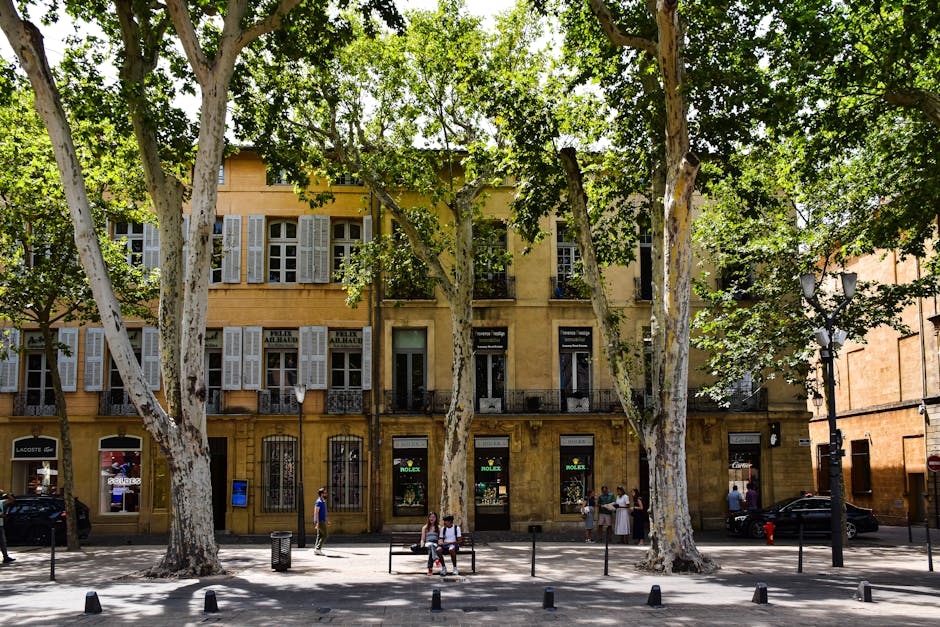
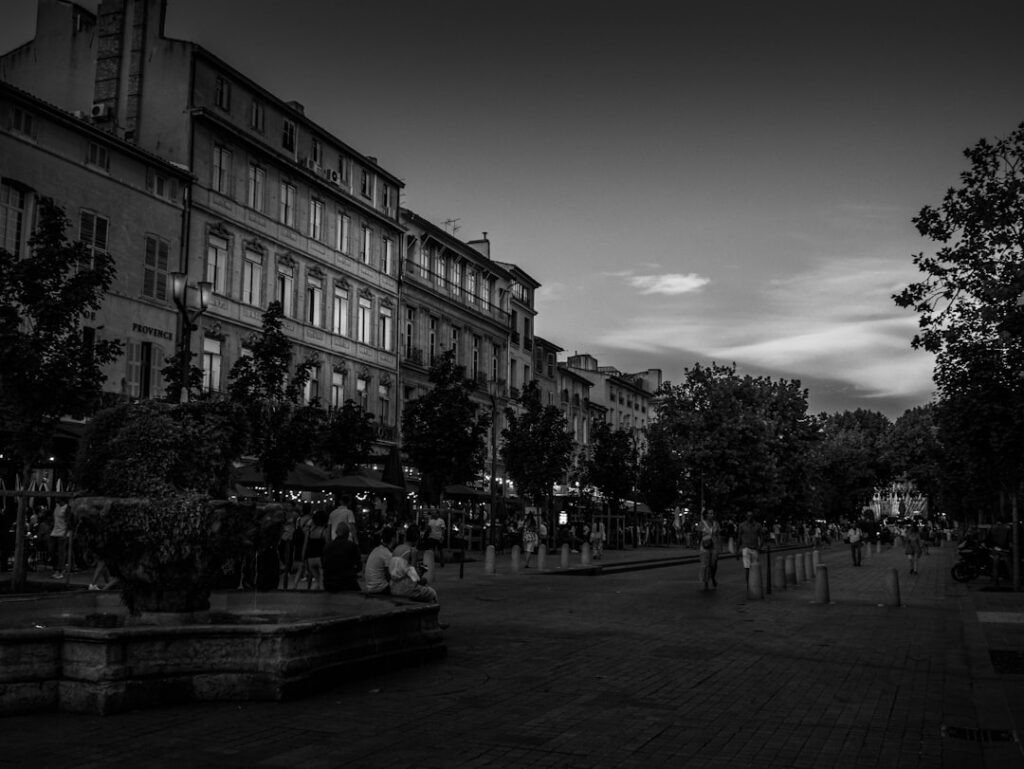
Cours Mirabeau — Aix-en-Provence
Address: Cours Mirabeau, 13100 Aix-en-Provence (historic central avenue).
Opening times: public space open at all times; shops and cafés generally open 8:00–19:00/20:00.
Price: free to stroll; nearby cafés and museums have varying prices (Musée Granet, Place Saint-Jean de Malte).
Visitor tips
- Buy tickets online for the Palais des Papes and MUCEM to avoid queues, especially in summer.
- Night visits and festivals (Festival d’Avignon, Rencontres d’Arles) can change opening hours and close some sites to the public; check event calendars.
- For national museums, look for free days or reduced rates (often the first Sunday of the month outside peak season).
Local Tips, Etiquette and Practical Recommendations
Provence has its own rhythms and customs. Respect the food, the language and local routines for a smooth stay. Below are practical recommendations and useful addresses to help you make the most of your time here with confidence.
Language and communication
French is the official language; conversational English is usually enough in tourist areas, but learning a few words (hello, please, thank you) is appreciated. Download offline local maps (Google Maps, Maps.me) and save important numbers: accommodation, car rental and emergency services.
Restaurants and markets
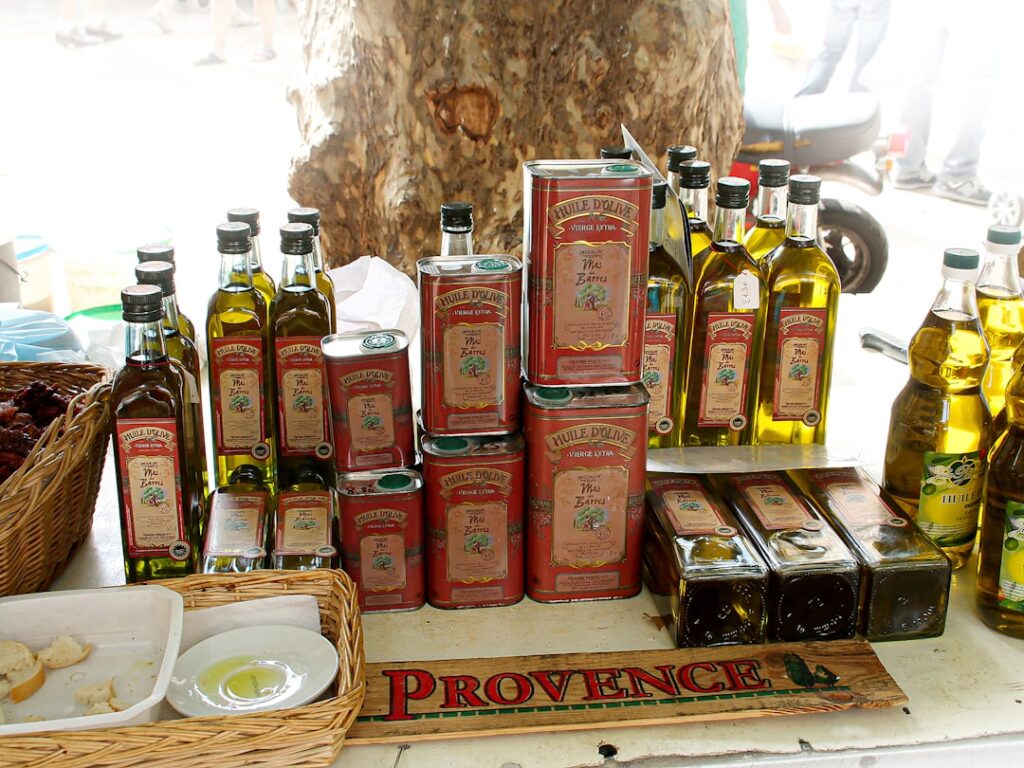
- Cours Mirabeau Market — Aix-en-Provence: Cours Mirabeau, 13100 Aix-en-Provence — daily market except certain public holidays; fresh produce, cheeses, olive oils. Indicative prices: a basket of local goods €10–30 depending on selection.
- Le Petit Nice Passedat — Marseille: 270 Corniche J.F. Kennedy, 13007 Marseille — fine dining with tasting menus from €140 to €240 per person depending on the menu (reservation required).
- Local markets in Luberon villages: for village markets favor Lourmarin, Isle-sur-la-Sorgue (Sunday market) and the market in Gordes (morning hours in high season).
Etiquette and behavior
- Always greet when entering a shop or café — a simple “Bonjour” is strongly recommended.
- Respect quiet hours in villages: nighttime noise is frowned upon in residential areas.
- Waste sorting: most towns practice recycling; find local rules for glass, paper and household waste.
By following these formalities and practical tips you’ll be able to enjoy Provence with confidence: from booking tickets and arranging health insurance to adopting local habits that make the experience authentic. Plan ahead, respect the environment and let Provence’s landscapes, cuisine and easy-going lifestyle enchant you.
Conclusion — Traveling to Provence with Peace of Mind
Provence blends historical heritage, outstanding natural scenery and Mediterranean la dolce vita. To make the most of your trip, it’s essential to prepare the necessary formalities: check entry documents (passport, visa if required), take out suitable travel insurance, know health procedures and emergency numbers, and plan transport and reservations. This guide provided precise addresses (Palais des Papes, MUCEM, Château d’If, stations and airports), typical opening hours and indicative prices in euros to help you organize. Remember that hours and prices can change with the season, works or local events, so consult official sites before each outing.
On the ground, adapt to Provençal rhythms: early-rising shopkeepers, long lunch breaks and lively markets. Respect the rules of the natural parks (Calanques National Park, Luberon Regional Nature Park), and favor public transport or cycling when possible to reduce your environmental footprint. For off-the-beaten-track explorations — Luberon hilltop villages, the Alpilles, Gorges du Verdon — a car gives you unmatched freedom, but plan parking and busy times in advance.
Finally, a few local tips make the trip more enjoyable: book monument tickets in advance, arrive early at popular sites to avoid crowds, taste local products at the markets (olive oil, herbes de Provence, cheeses) and chat with locals for authentic recommendations. Follow these formalities and tips and your stay in Provence will be both well-organized and deeply rewarding — full of cultural discoveries, nature walks and tasty treats. Have a great trip and enjoy the gentle Provençal way of life!