





Introduction: Provençal festivals — where tradition meets joie de vivre
Provence is a patchwork of landscapes — lavender fields, centuries-old olive groves, hilltop villages and a glittering coastline — where every season brings its own celebrations. Provençal festivals aren’t just parties: they’re a living expression of traditions, culinary heritage, religious rites and local crafts. Whether you love live performances, photography, regional food or immersive travel experiences, Provence’s fêtes deliver the full sensory package: music, flavors, color and warm human encounters.
This general guide highlights a selection of can’t-miss festivities across Provence-Alpes-Côte d’Azur, with practical, detailed info: full venue names, exact addresses, indicative prices in euros, typical schedules and vivid descriptions. The goal is to help you plan with confidence, anticipate key moments and use local tips to experience these traditions up close. Some events require tickets and advance booking (for example: Festival d’Avignon, Rencontres d’Arles), while others are free and very popular (for example: the Transhumance celebration, city parades). Note that schedules and prices change from year to year — many organizers update programs and rates on their official sites each spring.
In this guide you’ll find practical pointers — where to buy tickets, how much to budget for entry, best times to avoid the crowds — plus qualitative recommendations: where to sample Provençal specialties during the festivities, which local artisans to support, and how to respect customs. For each event I list a central meeting point with an exact address, indicative prices (in euros) and usual opening times. I also include tips on getting around (parking, public transport), where to stay and local etiquette to help you make the most of your visit.
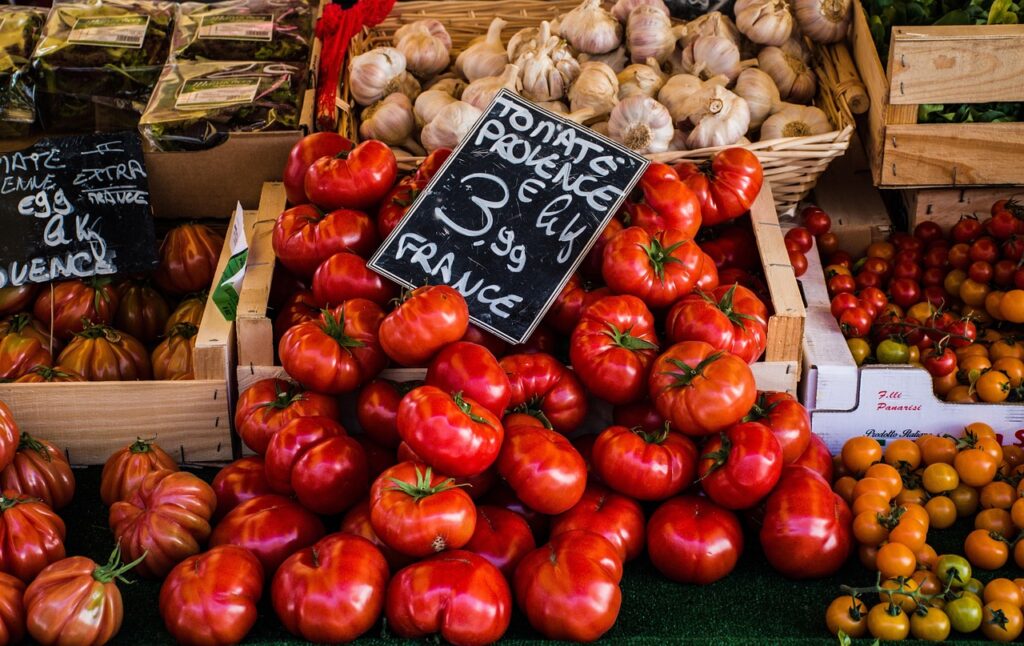
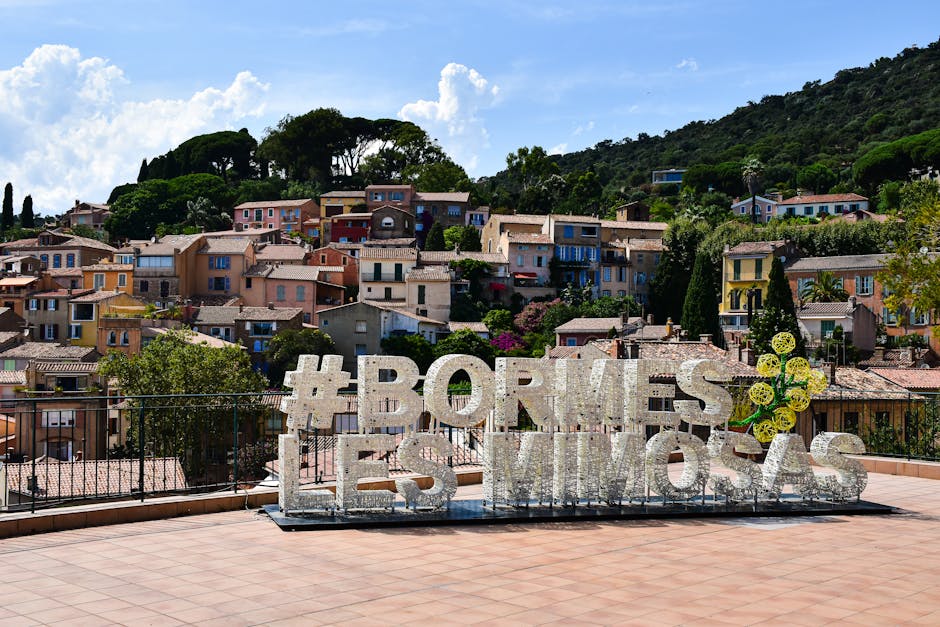
Finally, Provence is best experienced visually: fragrant fields, colorful processions, lit-up historic squares and markets overflowing with local produce. Throughout this article you’ll find image markers designed to visually illustrate the highlights and key moments of each festival. Get ready to inhale lavender scents, hear songs and brass bands, taste socca or tapenade, and join Provençals in their community celebrations. Whether you’re planning a summer trip, a spring escape or an autumn break, these festivals will leave lasting memories.
Avignon Festival: theatre, performing arts and fiery nights
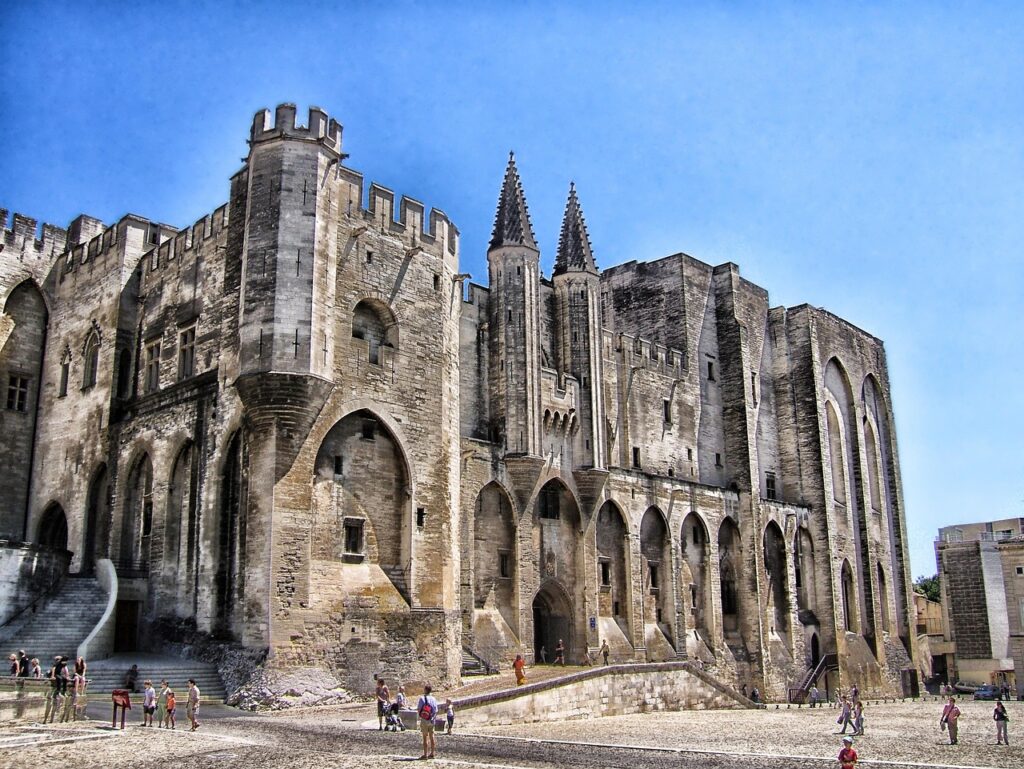
The Avignon Festival is one of the world’s most important events for the dramatic arts. Founded in 1947, it takes over the city of Avignon every summer with a diverse lineup of theater, dance, performances and debates. The festival’s nerve center is the Palais des Papes, located at Place du Palais, 84000 Avignon, where the famous Cour d’honneur hosts spectacular evening shows. Performances typically run in July over roughly three weeks.
Tickets and prices: prices vary widely depending on the show. Expect on average from €8 (reduced) to €60 for theater tickets, with some special evenings at the Cour d’honneur costing over €80. Season cards or “Pass Avignon” packages are often available through the official box office (Festival d’Avignon – Maison du Festival, address: 28 rue de la République, 84000 Avignon, phone: +33 (0)4 90 14 14 14); opening hours: usually 9:00–18:30 during the festival period, sometimes extended in the evenings during performances.
Schedule and organisation: daytime shows often start between 10:00 and 16:00, while evening performances begin around 19:00–21:00. Queues can be long for free or very popular performances; plan to arrive at least 30 to 45 minutes early. The program is published a few months in advance on the official website — booking online is strongly recommended to secure your seat.
Atmosphere and local tips: seeing a show in the Cour d’honneur at the Palais des Papes is immersive — the lighting, warm stone and natural acoustics create a uniquely powerful setting. For a pre-show dinner, try Restaurant La Fourchette (address: 11 Rue des Teinturiers, 84000 Avignon), main dishes around €15–30, open 12:00–14:30 and 19:00–22:30. Night owls will find plenty of bars and cafés around Place de l’Horloge that stay open late.
- Transport tip: Avignon TGV station, Place de l’Europe, 84000 Avignon — regular taxis and buses; allow 20–30 minutes on foot from the train station to the Palais des Papes.
- Practical tip: bring a small blanket or shawl for cool evenings in the Cour d’honneur.
- Good to know: some performances offer reduced fares for under-28s and jobseekers; check when purchasing.
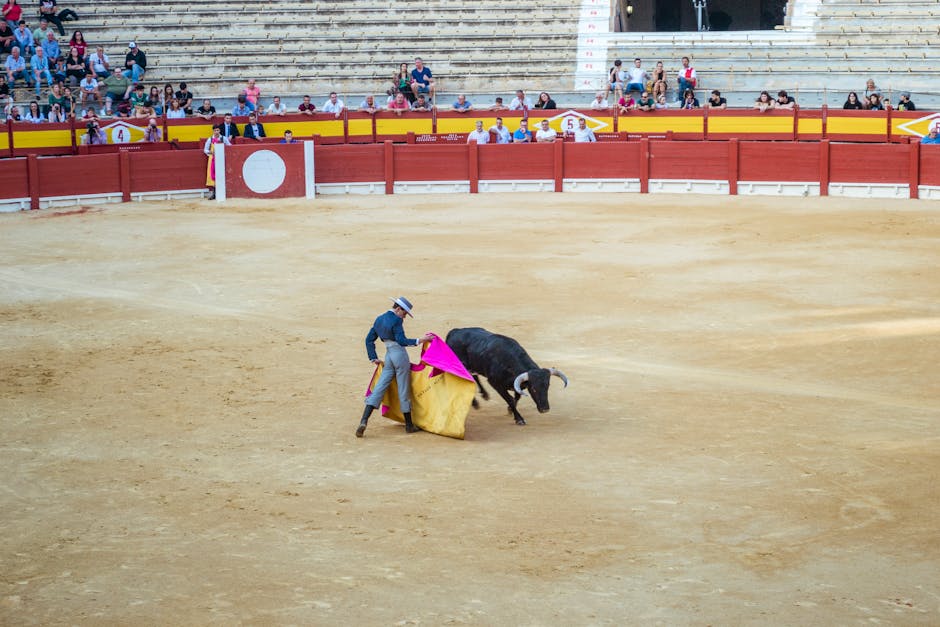
Arles Feria and the Transhumance Festival: bullfighting and pastoral traditions
Arles sits at the crossroads of Roman heritage and Camargue culture. Two signature events mark the year: the Arles Feria, focused on bull-related festivities, and the Transhumance Festival, which celebrates the seasonal movement of flocks between the Camargue and alpine pastures. These gatherings open a window onto ancestral rites, the world of the gardians (Camargue horsemen) and the lively music of peñas.
Arles Feria — practical info: main editions usually take place in spring (May) and autumn (September). The Roman theatre and the Arles arenas, Arènes d’Arles, are located at Place de la République, 13200 Arles. Programs include bullfights, abrivados, bandas and festive evenings. Prices: for a corrida at the Arènes d’Arles, expect €15–90 depending on seating and the fame of the matadors. The arena box office is on site with varying opening hours; during feria periods it is usually open 9:00–19:00.
Transhumance Festival — practical info: usually held in May or June depending on the year, with processions visible from central Arles out into the Camargue plains. The most spectacular gatherings sometimes start at Les Alyscamps (Avenue des Alyscamps, 13200 Arles) or Place de la République, 13200 Arles. Participation in the parades is free; some side activities (meals, shows) may charge a fee, typically between €5 and €25.
Atmosphere and local tips: the Feria is loud, colorful and very busy — buy arena tickets in advance and arrive early to find parking (municipal car parks around the center, variable rates, often €2–5 per hour during the day). For the Transhumance, wear closed shoes and bring water — flocks often move along dirt tracks and temperatures can be high. Arles markets are great places to pick up local goods (olive oil, Camargue rice, Camargue beef).
- Useful address: Arles Tourist Office, Place de la République, 13200 Arles, tel.: +33 (0)4 90 18 41 80 — opening hours: 9:00–18:30 in high season.
- Food tip: try gardianne de taureau, a Camargue beef stew, at a traditional city restaurant (dishes €15–28).
- Respect traditions: at bull-related events, follow safety instructions and stay within public zones.
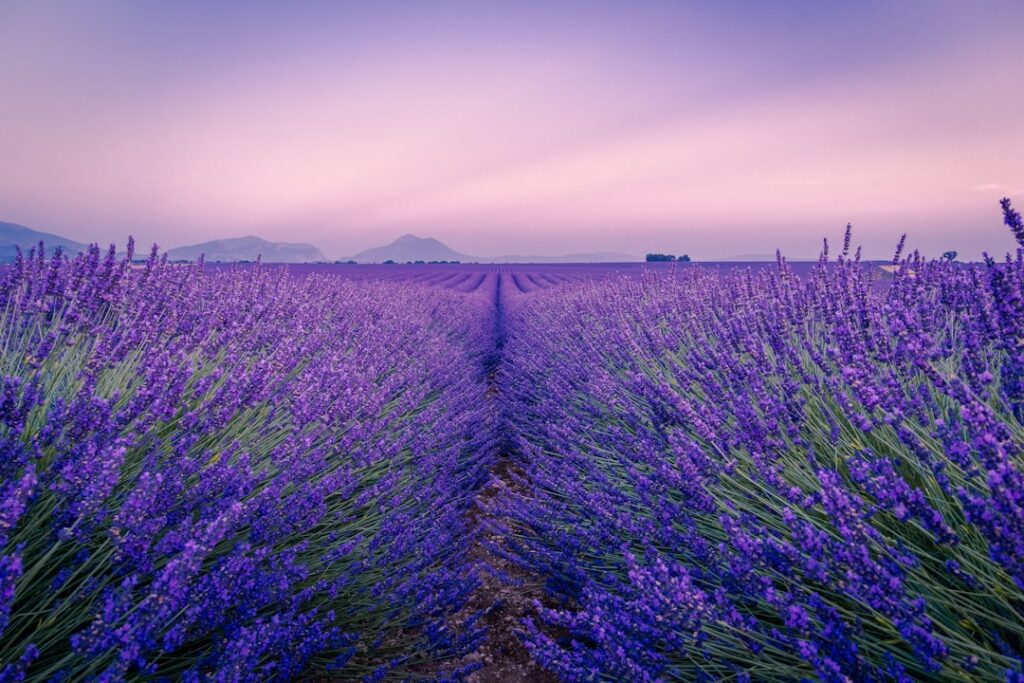
Valensole Lavender Festival and plant markets: the scents and colors of the South
The Valensole plateau is an icon of summer in Provence. Each year at bloom time (July), the village of Valensole comes alive for the Lavender Festival and plant fairs. The festival’s focal point is often Place de la Mairie, 04210 Valensole, and the scenic country roads that offer panoramic views of the fields. Many local distilleries open their doors to explain the harvest and essential oil distillation process.
Prices and hours: most events are free (walks, markets, outdoor workshops). Guided distillery visits may charge between €6 and €15 per person for a tour and tasting; typical visit times: 10:00–12:30 and 14:30–17:30. Product stalls (lavender sachets, essential oils, cosmetics) sell items ranging from €3 (small sachet) to €45 for high-quality essential oil bottles.
Atmosphere and tips: the ideal time to see lavender in bloom varies slightly each year, but mid-July is often peak bloom. Early morning is best for photos (soft light) and to beat the heat. Bring sunscreen, a hat and plenty of water. Roads around Valensole can get crowded in July — park in designated areas (e.g., Plateau Parking, farm tracks — often free or based on voluntary donations).
- Recommended visit: Distillerie des Possibles — address: Route de la Lavande, 04210 Valensole, guided visits 10:00–17:00, book ahead in high season; fee: €8 per adult.
- Photo tip: favour sunrise shoots and sloping fields to capture lines and shadows.
- Local product to bring home: a 30 ml bottle of essential oil (€20–45 depending on quality) or a handmade lavender sachet (around €3–8).
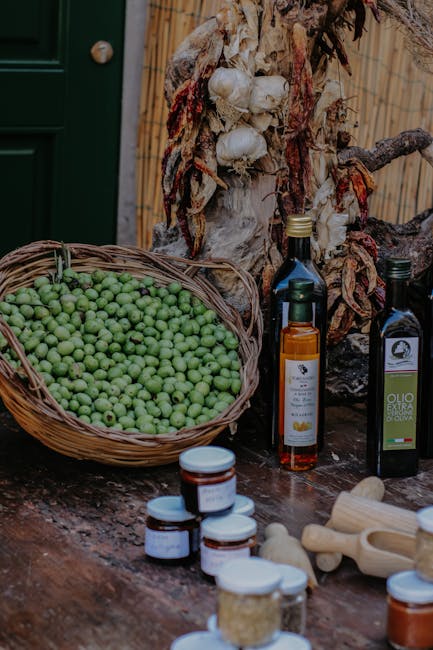
Nyons Olive Festival and oil markets: taste and olive-growing heritage
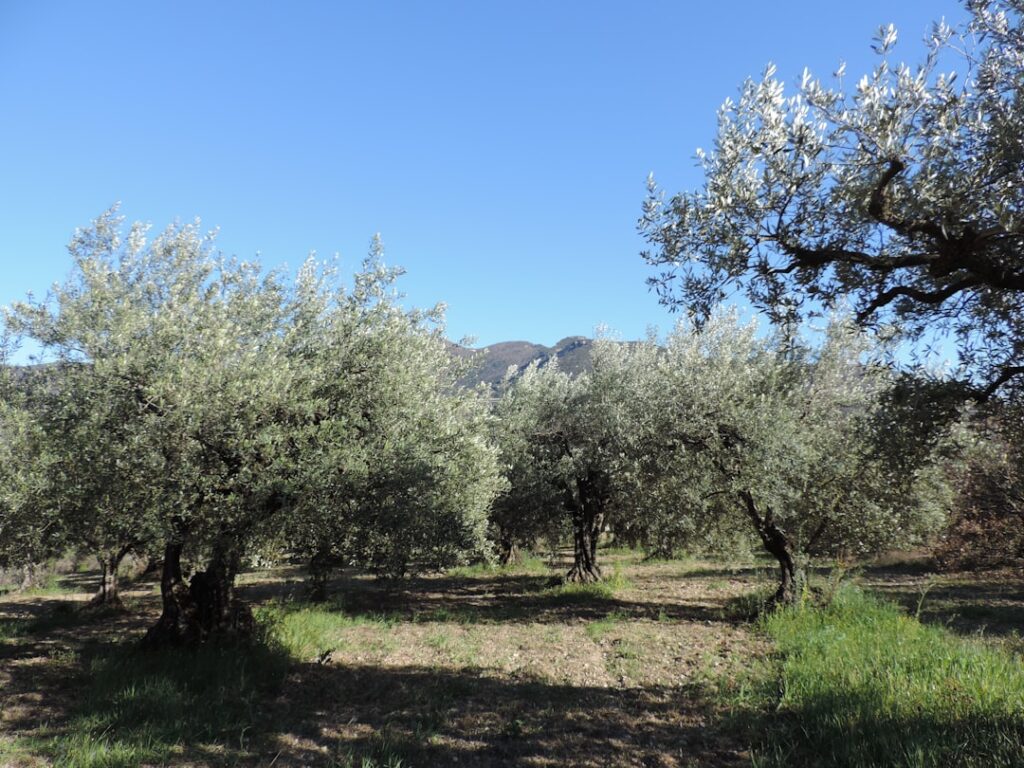
Nyons, in the Drôme Provençale, is famous for its olive oil and terroir. The Olive Festival (Foire de l’Olivier et du Terroir) typically takes place in October and brings together producers, mills and food artisans. The event centers around Place des Arcades, 26110 Nyons and Avenue du Général de Gaulle. It’s a great opportunity to watch pressing demonstrations, enjoy tastings and attend talks on olive-growing techniques.
Prices and hours: access to outdoor markets is generally free. Guided tastings and workshops can cost between €5 and €20. Local mills welcome visitors — for example, Moulin Castelas (address: Quartier Saint Cyr, 26110 Nyons) offers visits and direct sales, opening hours: 9:00–12:30 and 14:00–18:00, visit/tasting fee: €6 per person.
Atmosphere and tips: Nyons has a friendly, authentic vibe. Producers are usually happy to explain their methods (pruning, harvest, pressing). Look for good deals on 5L cans of oil (often €25–50 depending on quality) or smaller bottles (€7–15 for 250–500 ml). Nyons markets are also excellent for confit olives, tapenades and other Provençal specialties.
- Useful address: Nyons Tourist Office, Place de la République, 26110 Nyons, tel.: +33 (0)4 75 26 40 50 — hours: 9:00–12:30 and 14:00–18:00.
- Recommended purchase: Nyons PDO olive oil (250 ml: €8–15), jars of Nyons black olives (€6–12).
- Practical tip: prefer vacuum-sealed packaging or cans for transport, and note that producers often close in the afternoon during the low season.
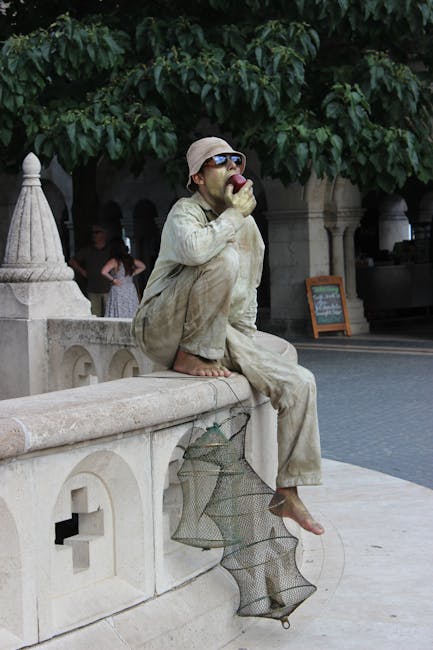
Rencontres d’Arles and photography festivals: image at the heart of the city
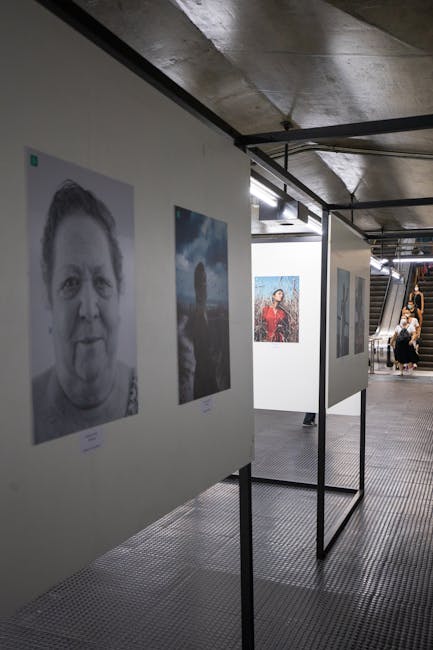
The Rencontres d’Arles are an international photography festival that turns Arles into a huge open-air exhibition each summer. The event uses heritage venues like Atelier des Arches (9 Rue du Cloître, 13200 Arles) and contemporary spaces such as Le Luma Arles (Boulevard des Alyscamps, 13200 Arles). Exhibitions cover a wide range of topics: documentary work, contemporary photography, archives and artist monographs.
Tickets and hours: the Rencontres d’Arles offer several options: day tickets (around €13–20 depending on the exhibitions), festival passes (prices vary, often €30–60) and reduced rates for students/seniors (€8–12). Exhibitions are generally open from 10:00 to 19:00 in high season, with some sites open later. Booking online is recommended, especially for crowded venues like Le Luma.
Atmosphere and tips: the Rencontres are ideal for slow wandering and discovery. Photographers should favor morning or late-afternoon visits for soft light in the streets and a calmer crowd. The festival also offers hands-on workshops, talks and screenings — book these in advance, as places are limited (workshop fees: €15–60 depending on duration).
- Useful address: Rencontres d’Arles ticket office, Fondation Luma, Boulevard des Alyscamps, 13200 Arles, hours: 10:00–19:00.
- Logistics tip: combine exhibition visits with a café break (for example: Café Van Gogh, Pl. du Forum, 13200 Arles, dishes €10–18).
- Visiting tips: download the official festival map and keep a shortlist of priority shows; major works attract large crowds at midday.
Conclusion: How to make the most of Provençal festivals
Provençal festivals are rich and varied — blending heritage, gastronomy, arts and craftsmanship. To enjoy them fully, plan ahead: check dates and official box offices, book accommodation early for busy periods (July–August), and adapt your kit: comfortable shoes, water, sun protection and a charged camera or smartphone. Read the official programs from the tourist offices in Avignon, Arles, Valensole, Nyons and other host towns for up-to-date schedules and transport options.
Budget-wise, allow a reasonable margin: outdoor activities and markets are often affordable (free or a few euros), while arts festivals and performances require tickets (from €8 up to over €80 for prestigious events). Meals near festival centers can be pricier; opt for markets or small local spots recommended by residents for authentic food at moderate prices (dishes between €12 and €25).
Respect local traditions: Provence holds its customs dear. At religious or heritage events, behave respectfully — follow instructions, avoid entering restricted areas and ask permission before photographing people in intimate ceremonies. For bull-related festivities, learn the safety rules and local regulations. Above all, buy directly from producers to support the local economy and bring back quality souvenirs: PDO olive oil, local lavender, honey, tapenades and handmade ceramics.
In short, let Provençal hospitality guide you: join the dances, taste the specialties, chat with artisans and soak in the landscapes that frame these unique celebrations. Whether you catch a show in the Palais des Papes’ Cour d’honneur, admire colorful bandas in Arles, breathe the lavender-scented air of Valensole or taste fresh olive oil in Nyons, Provence promises unforgettable sensory and human memories. Safe travels and enjoy the Provençal festivities!