





Introduction: Provence’s Climate — Sun, the Mistral and Tourist Seasons
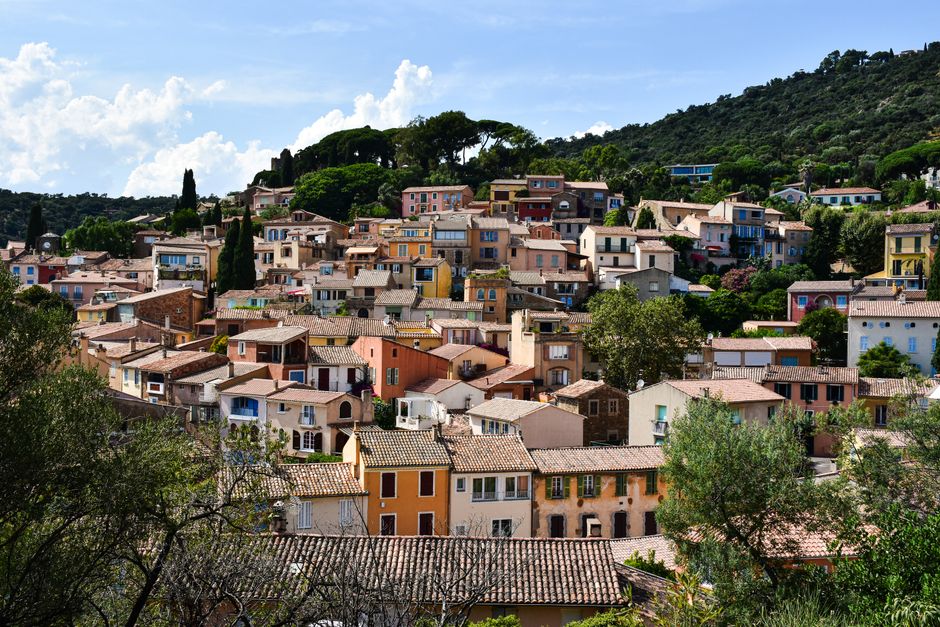
Provence is an iconic region in southeastern France, world-famous for lavender fields, olive groves, hilltop villages and a light unlike anywhere else. But beyond the postcard images, Provençal climate is a living reality that shapes the landscape, local habits and what visitors actually experience. Understanding Provence’s climate means getting to grips with Mediterranean sunshine, the ever-present mistral wind, seasonal variability and the microclimates of the coast and mountain ranges.
This detailed guide is aimed at travellers planning a considered trip to Provence: families, cyclists, hikers, food lovers and photographers. We’ll explain the main climate features (average temperatures, sunshine, rainfall), describe the mistral — that cold, dry wind that sweeps down the Rhône valley — and give practical recommendations for each tourist season. Where useful, you’ll find concrete examples of places to witness the climate in action, including addresses, opening hours and entry prices to help with planning.
Provence stretches east to west from the Alpilles massif to the Calanques of Cassis and includes varied terrain: Mediterranean coastline, plains, the Luberon plateaus and Alpine foothills to the north. These differences create microclimates: Marseille and Toulon enjoy mild winters and hot, dry summers, while Mont Ventoux and Montagne Sainte-Victoire see winter frosts and more cloud. We’ll detail these variations so you can pick the best time to visit, what to pack and which activities to prioritise by season.
We’ll also share local tips: where to find shade in high summer, which roads to avoid during strong mistral episodes, which cultural events and markets work best depending on the weather, and how to make the most of the shoulder seasons like spring and autumn for a milder, less crowded Provence. You’ll also get suggested itineraries, iconic sites with exact addresses, hours and prices, plus tasty recommendations so you can enjoy Provence in all its climatic moods.

1) Overall Climate Snapshot: Sun, Temperatures and Rainfall
Provence enjoys a classic Mediterranean climate: hot, dry summers and mild winters, with most rain falling in autumn and spring. In Marseille, the average annual temperature is around 15°C, summers often peak near 30°C and winters rarely drop below 5°C. Aix-en-Provence, about 30 km north of Marseille, shows similar patterns but can be slightly cooler at night due to its modest elevation.
In numbers, here are useful annual averages:
- Sunshine: 2,800 to 3,000 hours of sun per year along the Provençal coast (Marseille, Toulon).
- Average summer temperatures: 25–32°C depending on the day and proximity to the sea.
- Average winter temperatures: 5–12°C, with exceptions up in altitude on Mont Ventoux (which has a ski area in winter).
- Rainfall: 500–900 mm/year depending on location; late-summer storms and Cévennes episodes can bring heavy autumn rain.
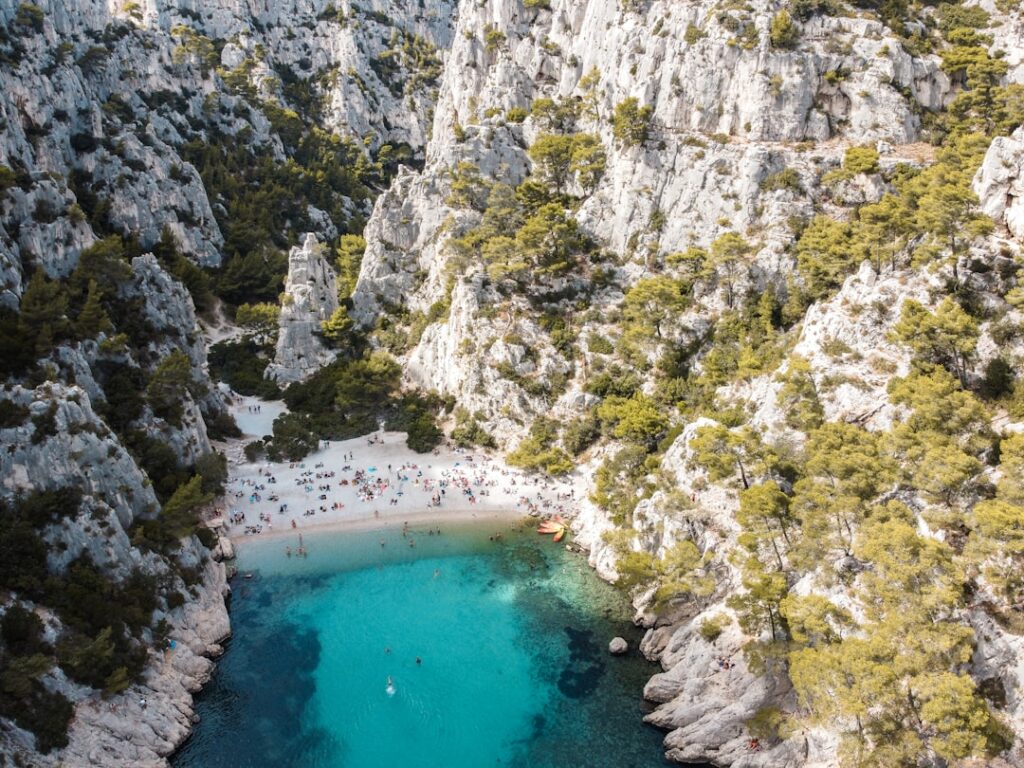
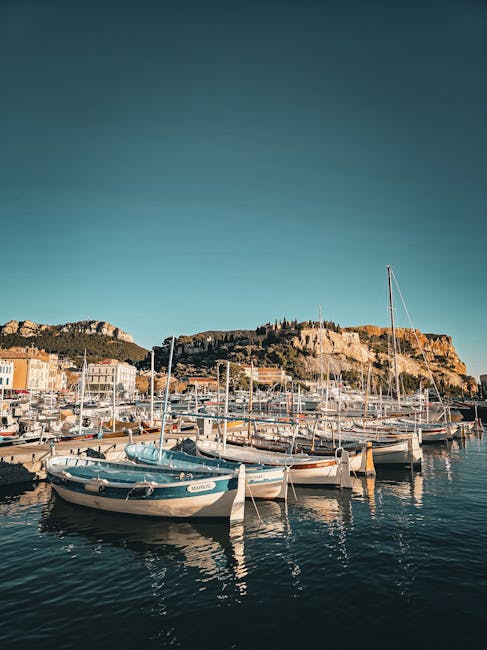
The coast is naturally more temperate thanks to the Mediterranean: sea temperatures generally range from 12°C in February to 24–25°C in August. Beaches around Cassis or La Ciotat are especially popular with swimmers in summer. Example beach and practical info: Plage de l’Arène in Cassis, Avenue du 4 Septembre, 13260 Cassis — accessible year-round, paid parking around the harbour (from €2.50 per hour depending on season), harbour restaurants usually open 12:00–14:30 and 19:00–22:30 in high season.
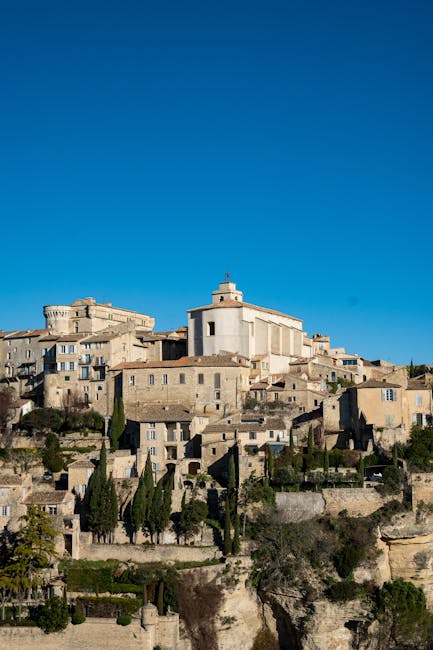
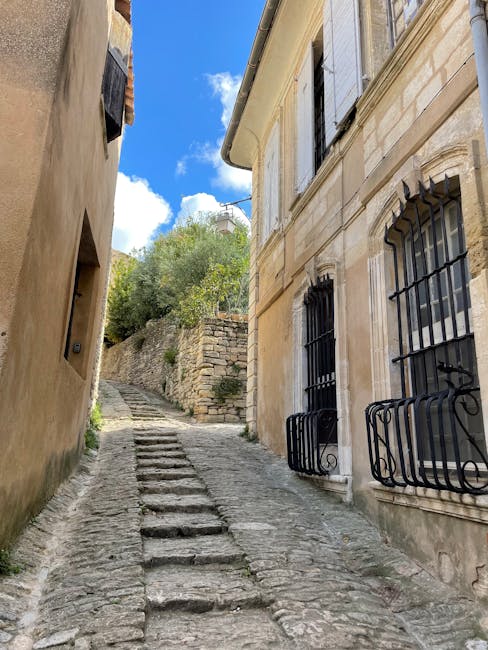
Rain showers are often short but intense: always pack a windbreaker and waterproof shoes if you hike in autumn or spring. Microclimates in valleys and plateaus (Valensole, Luberon, Alpilles) can show several degrees’ difference between coast and inland, which is why a rainy day on the shore can still be sunny in Gordes or Roussillon.
2) The Mistral: How It Works, Its Effects and Practical Tips
The mistral is Provence’s signature weather phenomenon. It’s a strong, cold and dry wind that channels down the Rhône valley toward the Mediterranean. Its frequency and intensity vary: it blows roughly 90 to 120 days a year in moderate to strong forms, and can be even fiercer in winter and spring. In exceptional episodes the mistral can exceed 100 km/h.
Origin and mechanism: the mistral usually forms when a high pressure sits over the Atlantic while a low pressure forms over the eastern Mediterranean. This setup “sucks” cold air from the north, funnels it along the Rhône valley and drives it out to sea. The result is a dry wind that clears clouds and brings brilliant blue skies, but it also significantly lowers the felt temperature.
Practical impacts:
- On people: it feels cold even when temperatures are mild; plan extra layers and a windproof jacket.
- On vegetation: olives and pines withstand it well, but delicate crops (budding vines, spring lavender) can be damaged.
- On boating: sea trips are often cancelled in Marseille, Cassis and Saint-Tropez; beware of exposed calanques.
- On driving: gusts make light vehicles and motorcycles harder to control; be extra cautious on bridges and open stretches of road.
Local tips for travelling with the mistral:
- Wear a technical wind jacket and protective eyewear if you’ll be exposed.
- If you’re a photographer, the mistral clears the air: colours become very crisp — great for landscapes, but protect equipment from dust.
- Plan alternative routes: if the coast is too windy, head inland to villages like Saint-Rémy-de-Provence (Place Favier, 13210 Saint-Rémy-de-Provence) or the Alpilles massif where terrain often breaks the wind.
Concrete examples of affected places: the Vieux-Port in Marseille (1 Quai du Port, 13002 Marseille) routinely sees boat departures delayed or cancelled; boat companies for the Calanques, such as Compagnie Maritime Calanques Cassis (Port de Cassis, Quai des Baux 13260 Cassis), often display warning flags and change schedules (shuttle prices to the calanques: about €18–25 per adult round trip, schedules vary by season, booking recommended at +33 (0)4 42 01 92 12 or via their website). In strong mistral conditions, check at the harbour ticket office before buying your tickets.
3) Tourist Seasons: When to Come and What to Expect
Picking the best time to visit Provence depends on your priorities: weather, crowds, cost and activities. Here’s a season-by-season guide with practical recommendations and places to visit, including opening times and prices where relevant.
Spring (March–May) — Ideal for blooms and hiking:
- Climate: mild temperatures (12–22°C), sunny days mixed with short showers. The mistral can blow in episodes.
- Activities: early season lavender viewing (Valensole, Plateau de Valensole, D558, 04210 Valensole), hiking in the Luberon (Parc naturel régional du Luberon, Maison du Parc, Place Jean Jaurès, 84400 Apt — reception 04 90 04 42 90).
- Tip: book accommodation early for Easter and May as high season begins; average hotel rates: €80–160 per night for a standard double in a 3-star hotel, higher in peak periods.

Summer (June–August) — Full sun, beaches and festivals:
- Climate: hot and dry, 28–35°C on hot days; sea 22–25°C. Heavy tourist numbers, especially July–August.
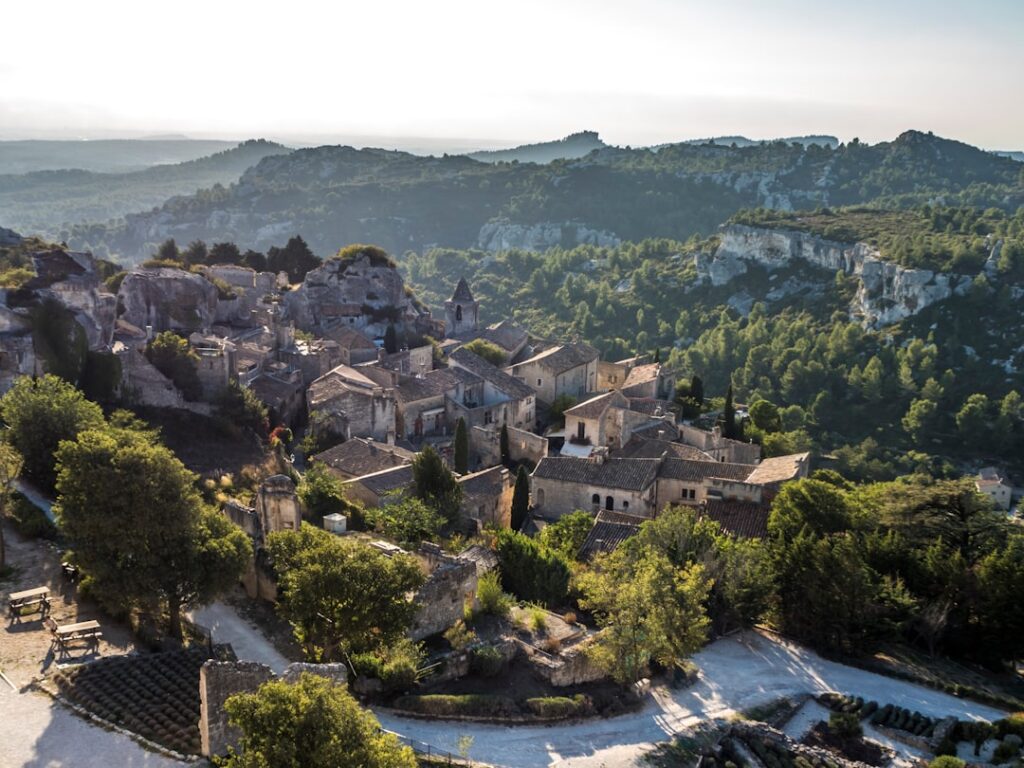
- Activities: swimming at Plage du Prado (Boulevard du Prado, 13008 Marseille), boat trips to the Calanques of Cassis (Compagnie Maritime Calanques Cassis), visiting Château des Baux-de-Provence (Château des Baux, Route des Baux, 13520 Les Baux-de-Provence — paid entry: €11.50 adult, open 10:00–19:00 in summer) and cultural nights like the Avignon Festival (Palais des Papes, Place du Palais, 84000 Avignon — guided tour tickets usually €12–15; festival dates vary each summer).
- Tip: start early to avoid the hottest hours, reserve restaurants (e.g. Restaurant Le Grand Large, 40 Quai du Port, 13002 Marseille — menus around €25–45), and aim for natural sites at sunrise or late afternoon.
Autumn (September–November) — Mild weather and colours:
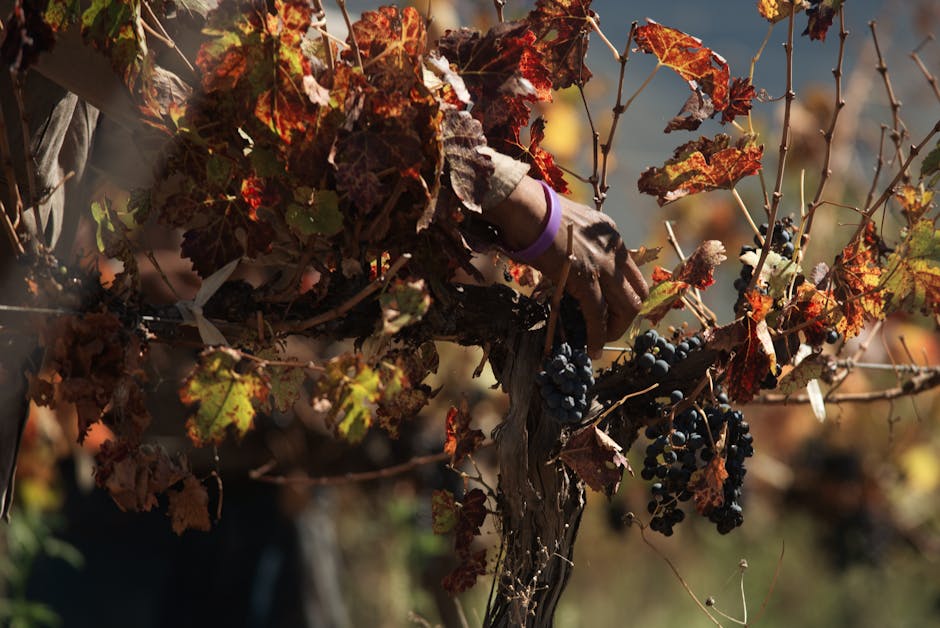
- Climate: pleasant temperatures (14–24°C), more frequent rain later in the season. Fewer crowds and lower prices; a perfect time for wine tourism and food experiences.
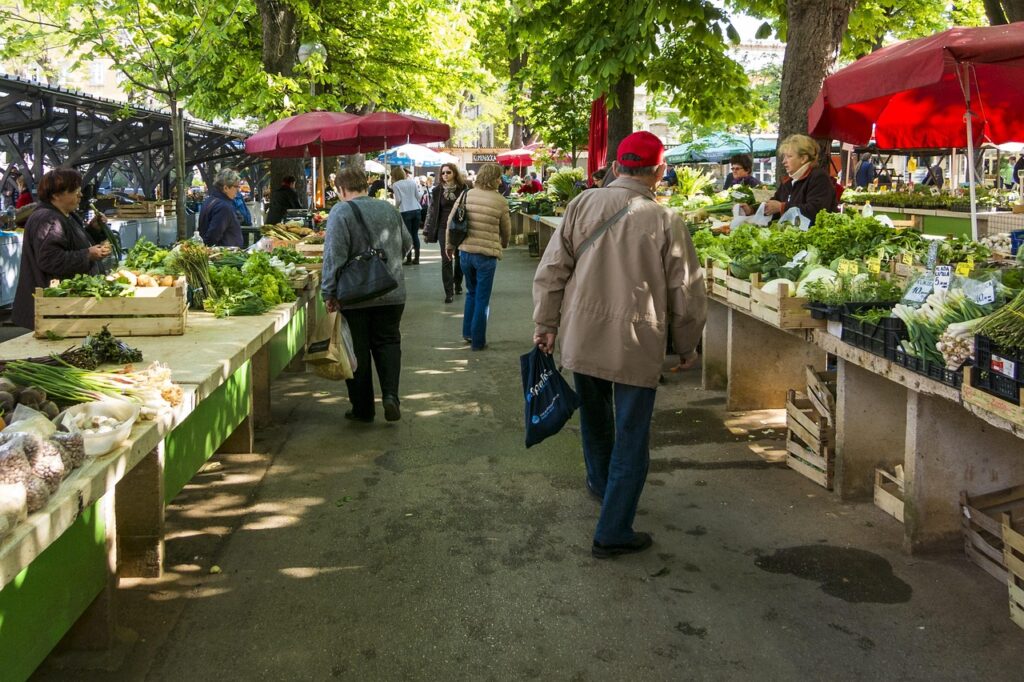
- Activities: grape harvests and local markets (Marché d’Apt, Cours Lauze de Perret, 84400 Apt — market on Tuesday and Saturday mornings), vineyard visits (Domaine de la Vallée des Glaces, Route de Cabriès, 13420 Gémenos — tastings by appointment, prices €10–25 depending on the formula).
- Tip: check opening times at tourist offices (e.g. Office de Tourisme d’Avignon, 59 Rue de la République, 84000 Avignon — usually open 09:00–12:30 and 14:00–17:30 off season) as they often reduce hours outside summer.
Winter (December–February) — Quiet and notable weather events:
- Climate: mild lowlands (5–12°C), cold and snow possible at altitude (Mont Ventoux, 84300 Bédoin). The mistral is frequent and increases the chill factor.
- Activities: Christmas markets in Aix-en-Provence (Cours Mirabeau, 13100 Aix-en-Provence — chalets usually open 10:00–19:00 in December), some winter sports on nearby massifs, winter hikes and special light conditions for photographers.
- Tip: focus on restaurants and museums (Musée Granet, Place Saint-Jean de Malte, 13100 Aix-en-Provence — entry €8–10, hours vary) and check access to mountain lanes; rent a car equipped for winter (winter tyres or chains depending on conditions).
4) Practical Tips: Gear, Accommodation, Health and Mobility
Being well-equipped and planning your trip to Provence will help you make the most of local weather. Here are pragmatic, detailed recommendations tailored to different activities.
Clothing and gear:
- Summer: lightweight cotton or linen clothes, a hat, sunglasses (high UV index), SPF 30+ sunscreen, closed shoes for hikes in the garrigues and calanques. Recommended pack: 1 hat, 1 lightweight windbreaker, 1 pair of sturdy hiking boots, sandals for the beach.
- Spring/Autumn: layers (tee, fleece, windbreaker), compact umbrella, waterproof shoes for muddy trails.
- Winter: warm coat, gloves and hat if you go up high (Mont Ventoux, 84300 Bédoin — limited alpine and cross-country skiing depending on snowfall), plus protection against the mistral.
Accommodation and budget:
- Hotels: average rates off peak €70–120/night (3 stars), in high season €120–250 or more for charming hotels. Examples: Hôtel de France, 4 Place Richelme, 13100 Aix-en-Provence — rooms from €95/night, breakfast €12; Hôtel La Résidence du Vieux-Port, 2 Quai du Port, 13002 Marseille — rooms from €140/night in high season.
- Gîtes and B&Bs: great for a local feel; rates vary €60–180/night based on season and comfort level.
- Camping: many seaside and countryside campsites (rates €15–50/night depending on pitch and services).
Health and safety:
- Hydration: drink regularly in summer and avoid strenuous activity during peak heat hours.
- Allergies: spring and summer can trigger pollen or lavender-related allergies — bring antihistamines if needed.
- Emergencies: SAMU/ambulance 15, fire brigade 18; main hospitals: Hôpital de la Timone, 264 Rue Saint-Pierre, 13005 Marseille — switchboard 04 91 38 38 38; Hôpital d’Aix-en-Provence (site Sainte-Marguerite), Avenue des Justices, 13100 Aix-en-Provence — 04 42 33 66 11.
Transport and access:
- Car: recommended for exploring inland; departmental roads (D) can be narrow and winding — take care in winter if ice or snow are present.
- Trains: Avignon Centre station (Place de la République, 84000 Avignon) and Avignon TGV (Boulevard Charles de Gaulle, 84911 Avignon) offer fast links to Paris and Europe. Prices vary; book ahead for best fares (SNCF fares from €20 to €80 depending on period).
- Buses and shuttles: seasonal links to calanques and tourist villages — check local tourist offices for timetables and fares.
Useful Addresses and Practical Contacts
Some addresses and services to keep handy:
- Office de Tourisme d’Aix-en-Provence, 8 Place des Prêcheurs, 13100 Aix-en-Provence — tel: +33 (0)4 42 16 11 11, hours vary (often 09:00–12:30 and 14:00–17:30 off season).
- Office de Tourisme de Cassis, 1 Quai Bourras, 13260 Cassis — tel: +33 (0)4 42 01 08 48, usually open 09:30–12:30 and 14:00–17:30.
- Palais des Papes, Place du Palais, 84000 Avignon — guided tours and ticket office on-site, prices €12–15 depending on option, generally open 09:00–19:00 in summer (hours vary off season).
- Château des Baux-de-Provence, Route des Baux, 13520 Les Baux-de-Provence — entry €11.50 adult, open 10:00–19:00 in summer; discounts for children and families.
Conclusion: Travel Smart in Provence
Provence offers an exceptional climate full of contrasts: generous sunshine, distinct seasons and above all the mistral — a wind that affects many practical aspects of a trip. By understanding these elements — average temperatures, summer heat peaks, autumn rain episodes and the ways the mistral behaves — visitors can better organise transport, activities and what to pack. The coast favours mild winters and lively summers, while the inland areas provide varied microclimates perfect for hiking, wine tourism and rural discovery.
To make the most of Provence: pick your dates according to your aims (photography, hiking, relaxation), book early in high season, and don’t be afraid to stray off the beaten track to find a more authentic Provence. Tourist offices (Aix-en-Provence, Avignon, Cassis) and local museums are great partners for updated opening hours and prices, especially outside summer. Above all, surrender to the sensory experience: pine and lavender scents, crystalline light after a mistral, and the morning chorus at local markets — all climatic elements that make Provence unique. Safe travels and enjoy discovering this region where climate and culture answer each other.