





Introduction: Beach flags in Provence — read them so you can enjoy the sea safely
Provence, with its wild coves, long sandy beaches and rocky coasts, draws millions of visitors every summer. From the emblematic Var beaches to Marseille’s shores and the wide stretches of the Camargue, the Mediterranean can shift moods in a matter of hours: currents, waves, easterly winds or the mistral, marine life… To enjoy the water safely, beach flags are your first visual cues. Yet many swimmers only know red and green, or confuse different pennants and labels. This article walks you through, beach by beach, what the flags you’ll see in Provence actually mean — and what you should do depending on the color.
Beyond a simple color translation, this guide explains how flags are used locally: supervised zones, bathing hours, areas reserved for water sports (windsurfing, jet skis, paddleboarding), protected environmental zones and specific alerts like jellyfish sightings or water quality issues. We include concrete examples from well-known beaches across Provence-Alpes-Côte d’Azur: Almanarre Beach in Hyères, Pampelonne Beach in Ramatuelle, Mourillon Beach in Toulon, Prado Beach in Marseille, Grande Mer Beach in Les Saintes-Maries-de-la-Mer, La Nartelle in Sainte-Maxime and La Couronne in Martigues. For each spot: exact address, typical high-season lifeguard hours, usual parking or rental costs, and local recommendations.
We also add practical tips: how to pick a lifeguard post, what to do if you see a black flag or a yellow/red lifeguard uniform, how to behave if there’s a jellyfish alert (purple flag or sign), and how to respect Natura 2000 or protected-dune zones where the flag indicates no entry rather than safe bathing. Finally, you’ll find parking addresses, places to rent shade and water-sport gear — with reference prices — to help you plan the perfect beach day in Provence.
Whether you’re a family on holiday, a water-sports enthusiast or a local who already knows a favorite beach, learning to read the flags properly will reduce risk and improve your shoreline experience. Move from worry to confidence: follow flag instructions, listen to lifeguards, and adapt your activities according to the flag flying. This comprehensive guide gives you all the keys to interpret visual signals, understand local specifics and fully enjoy the Mediterranean in Provence.
1) The universal colors: green, yellow, red — what they mean and what to do
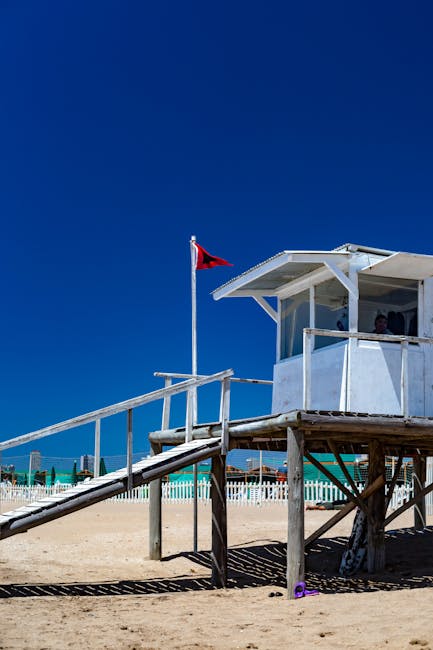
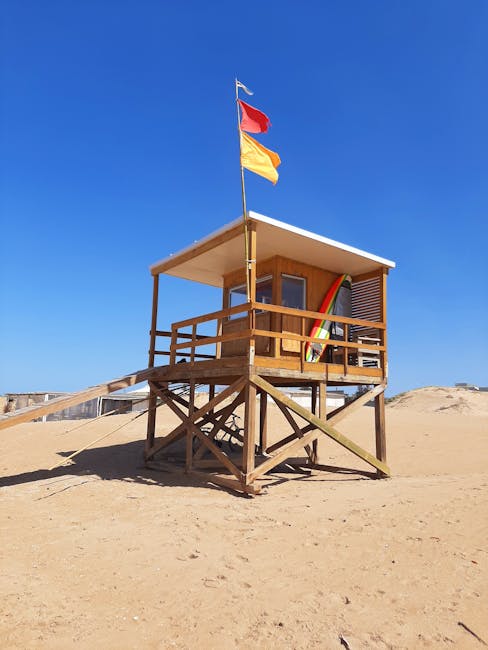
On most Provencal beaches you’ll see the three basic flag colors displayed daily at the lifeguard station: green, yellow, red. Here’s precisely what they mean, with concrete examples so you can apply these rules at the beaches listed below.
- Green flag — Swimming allowed without major restrictions. This means conditions are judged favorable by the lifeguards. In practice: stay aware of signs that mark zones reserved for boards, and keep an eye on children. Example: Mourillon Beach, Boulevard du 58ème Régiment d’Infanterie, 83000 Toulon, often shows a green flag early in the morning when the mistral isn’t blowing. High-season lifeguard hours: stations usually open from 09:30 to 19:00 (July–August).
- Yellow flag — Moderate risk: swimming possible with caution. The yellow flag signals waves, currents or strong wind. Swimmers are advised to stay close to shore and within the supervised area. Example: La Nartelle Beach, Boulevard Jean Jaurès, 83120 Sainte-Maxime, may fly yellow in the evening when winds pick up; lifeguards ask families to stay in the shallow water.
- Red flag — Swimming forbidden or strongly discouraged. The sea is considered too dangerous (strong currents, heavy swell, alert conditions). Ignoring the flag can prompt rescue interventions and fines if access is prohibited. Example: Pampelonne Beach, Route des Plages, 83350 Ramatuelle, raises the red flag during storms or autumn swells, with strict prohibition on entering the water.
Concrete actions to take:
- When the flag is green: respect the lifeguard-designated area (the red-and-yellow pennant marks the supervised swimming zone), don’t swim alone beyond the buoys and watch children closely. On some beaches like Prado Beach, buoys define the sandy swimming area where swimmers should stay.
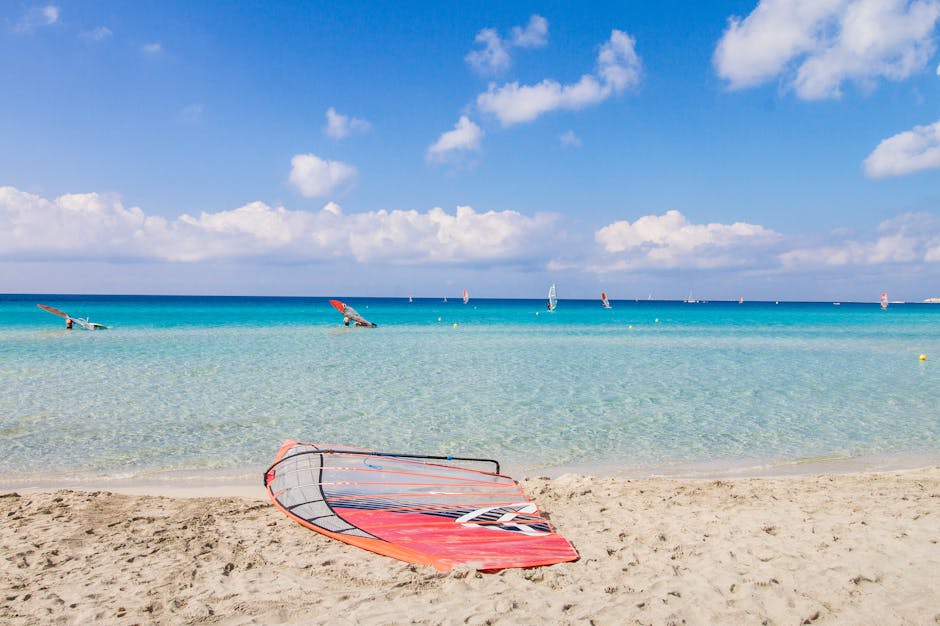
- When the flag is yellow: avoid risky water activities (jet-skiing, kitesurfing) if you’re a beginner; favor paddleboarding close to shore and wear a lifejacket. At Almanarre Beach (Route du Sel, 83400 Hyères), a hotspot for windsurfers, yellow flags advise beginners to stay in the beginner zone near the shore.
- When the flag is red: do not enter the water, obey barriers and posted signs. At Grande Mer Beach, 13460 Les Saintes-Maries-de-la-Mer, local authorities ban entering the water during strong easterly swells.
2) Special flags and additional signals: purple, black, Blue Flag and striped banners
Beyond the three classic colors, some Provencal beaches use other pennants or signs to convey important details. Recognizing these signals can make the difference between a relaxing day and an unpleasant surprise.
- Purple pennant — Jellyfish alert. Increasingly common on Mediterranean coasts, the purple flag signals jellyfish or physalia sightings. Local example: La Couronne Beach, 13500 Martigues, has a permanent sign reading “Caution: jellyfish” and raises a purple flag when a colony is spotted by lifeguards. Recommended behavior: swim cautiously, avoid touching jellyfish, and in case of stings rinse with seawater and consult the lifeguard post (beach stations generally open 10:00–18:00 in summer).
- Black pennant — Local prohibition or sanitary hazard. Sometimes used to prohibit specific activities (fishing, dune access) or to indicate pollution. Example: Prado Beach, Marseille (13008) may fly a black flag during pollution or hydrocarbon incidents; bathing is then discouraged or prohibited depending on the municipal decree.
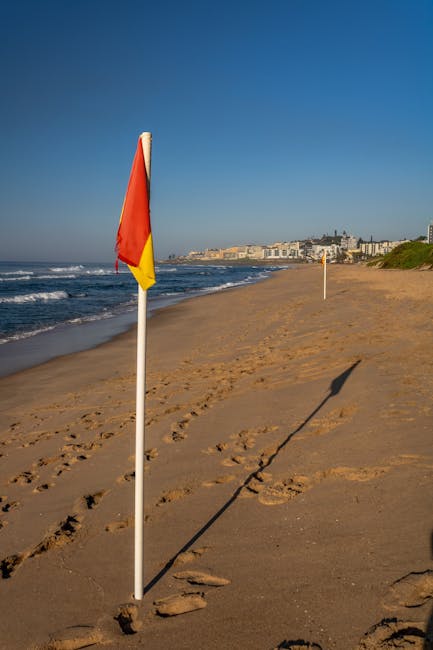
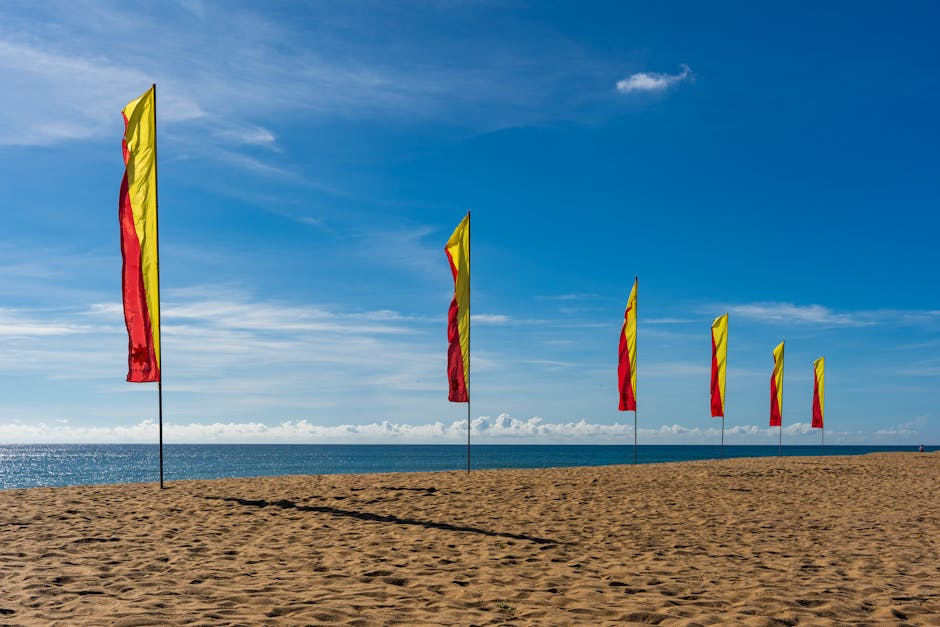
- Yellow-and-red striped flag — Supervised area. It marks the official swimming zone monitored by lifeguards. Lifeguards ask bathers to remain inside these stripes. At Mourillon Beach, buoys and the striped flag delineate the safe space for families and children.
- Blue Flag — Environmental quality label. This is not a safety signal but an annual award (Blue Flag) for water quality, services and environmental management. Blue Flag beaches in PACA sometimes include sectors of Ramatuelle and Hyères. Example: certain beaches in Sainte-Maxime (Boulevard Jean Jaurès, 83120) have been awarded the Blue Flag in some years, confirming ecological management and adequate facilities.
Other signs and panels:
- “Protected dunes” signs — no parking or walking on dunes; follow the signage to protect fragile ecosystems (e.g. some parts of Almanarre Beach).
- “Nautical zone” signs — strict separation between bathing areas and zones for motorized activities. At Pampelonne Beach, Ramatuelle organizes separate lanes for jet-skis and pedal boats.
3) Hours, fees and lifeguard stations: when and where the flags mean something
Flag signaling is tied to lifeguard hours: outside supervised periods (called “off-season” or “no lifeguards on duty”), flags may be absent or replaced by different signage. Knowing each beach’s hours and services helps you interpret the flag that’s flying.
- Almanarre Beach — Route du Sel, 83400 Hyères: In high season (July–August) lifeguard posts are typically open from 09:30 to 18:30. Parking: free parking along Route du Sel in some spots; otherwise paid parking about €2.50 / hour (estimate) near main accesses. Umbrella or sunbed rental: €15–30 / day depending on location. Services: windsurf and kitesurf schools (beginner rates: €45–70 for a 1h30 lesson).
- Pampelonne Beach — Route des Plages, 83350 Ramatuelle: Lifeguard hours often 09:30–19:00. Official paid parking: Pampelonne North (Route des Salins): about €5–10 / hour in high summer, daily rates €20–40 depending on private lots. Sunbed rental €30–40 / day, umbrella €25–35. Many beachfront clubs (Club 55, Nikki Beach) also offer private services with variable prices (expect €150–300 for a day at the most upscale clubs).
- Mourillon Beach — Boulevard du 58ème RI, 83000 Toulon: Lifeguard posts active July–August 09:30–18:30; reduced coverage in spring and early autumn. Parking: municipal lots €1.20 / hour, day rates €10–12 in some port-adjacent lots. Kayak/paddle rental: €15–25 / hour.
- Prado Beach — Boulevard Michelet, 13008 Marseille: Large lifeguard posts and many teams; hours 09:00–19:00 in season. Paid parking nearby: €2–3 / hour; day rate in monitored car parks €15–20. Gear rental: €20–40 / hour depending on equipment.
- Grande Mer Beach — 13460 Les Saintes-Maries-de-la-Mer: Seasonal lifeguard hours 10:00–18:00; in strong winds the red flag can be raised quickly. Parking: free or paid depending on location; sunbed rental €10–25 / day.
Practical tips:
- Check the lifeguard hours posted at the station when you enter the beach. Outside those hours, flags don’t guarantee safety — lack of supervision increases risk.
- If you need help, note the lifeguard post address: it’s often posted at the beach entrance (e.g. “Poste de secours Plage du Mourillon, Quai du 58ème RI, 83000 Toulon”).
- Respect the area marked by the yellow-and-red striped flag: beyond that, surveillance is not guaranteed.
4) Local tips, gear and special situations: how to react by flag color
Lifeguards and town councils across Provence have local practices that are useful to know. Here are concrete recommendations and addresses for renting gear, reporting a problem or finding shade when flags change.
- If the flag is green: choose a spot near the head lifeguard. At La Nartelle (Boulevard Jean Jaurès, 83120 Sainte-Maxime), families typically pick the central area where children’s play facilities and showers are located. Umbrella rental: “Sun & Sea Location”, 12 Avenue du Maréchal Foch, 83120 Sainte-Maxime — indicative rates: umbrella €15 / day, sunbed €10 / day.
- If the flag is yellow: stay close to shore and ask the lifeguard station about the specific hazard (current, waves, sandbank). At Almanarre Beach, the school “Almanarre Surf School”, Route du Sel, 83400 Hyères, offers coached lessons: €50–80 for a 1h30 session — ask for specific “safety briefing” classes to learn how to read currents.
- If the flag is red: pack up fins and towels and opt for a shoreline walk or a seaside café. In Ramatuelle, the official parking “Parking Pampelonne” (Route des Plages, 83350 Ramatuelle) has attendants who inform visitors about closures: day rates €25–40 depending on season, with possible refunds if the beach remains closed.
Equipment and where to find it:
- Lifejackets and buoys: rentals at Prado — “Marseille Beach Rentals”, 4 Corniche, 13008 Marseille — lifejackets €10–15 / day.
- First-aid kits: available at all official lifeguard posts; main Prado station address: Poste de Secours Prado Sud, Boulevard Michelet, 13008 Marseille, open July–August 09:00–19:00.
- Fire brigade and sea rescue: in an emergency call 15 (SAMU) or 112. The SNSM (French National Sea Rescue Society) often operates from stations like Le Lavandou or Hyères.
Recommended behaviors and common mistakes to avoid:
- Don’t confuse the Blue Flag (quality label) with the green safety flag; one certifies ecological management, the other signals that bathing is considered safe that day.
- Don’t cross the supervised swimming area in a boat or jet-ski: buoys and the striped flag define a legal perimeter; fines may apply for violations.
- If a lifeguard asks you to get out of the water even when the flag is green, follow their instruction: they have a broader view and real-time information (water movements, weather updates, boat traffic).
5) Practical examples: reading flags on 7 iconic Provencal beaches
To anchor the theory, here’s how flags are actually used and interpreted at seven iconic regional beaches. Each entry includes address, approximate hours, parking/rental prices and local tips.
- Almanarre Beach — Route du Sel, 83400 Hyères
Lifeguard hours: 09:30–18:30 (July–August). Parking: free spots along the road (depending on location) or paid parking €2–4 / hour near official lots. Rentals: boards and wetsuits at “Hyeres Windsurf Center”, Route du Sel — lessons €45–70 / 1h30. Local tip: avoid the southern sector when the mistral blows strongly (red flags are common). - Pampelonne Beach — Route des Plages, 83350 Ramatuelle
Lifeguard hours: 09:30–19:00. Paid parking €5–10 / hour, daily rates €25–40. Umbrella/sunbed rental €25–40 / day. Tip: look for the supervised zone (yellow/red bands) and avoid approaching private clubs if access is restricted. - Mourillon Beach — Boulevard du 58ème RI, 83000 Toulon
Lifeguard hours: 09:30–18:30 in season. Municipal parking €1–2 / hour. Paddle/kayak rentals €15–25 / hour. Tip: clearly marked supervised zones make this beach popular with families due to its gentle slope into the water. - Prado Beach — Boulevard Michelet, 13008 Marseille
Lifeguard hours: 09:00–19:00. Parking €2–3 / hour. Rentals and schools on the Prado offer courses: €40–60 / hour. Tip: in pollution events or storms the city may fly a black flag — follow the informational panels at the entrance. - Grande Mer Beach — 13460 Les Saintes-Maries-de-la-Mer
Lifeguard hours: 10:00–18:00 in July–August. Variable parking (free on outskirts, paid near the center). Tip: beware of currents when the wind is from the east; the red flag is raised quickly. - La Nartelle — Boulevard Jean Jaurès, 83120 Sainte-Maxime
Lifeguard hours: 09:30–18:30. Parking €1.50–3 / hour in high season; sunbed/umbrella rental €15–30 / day. Tip: ideal for families, though the yellow flag can appear in the afternoon due to thermal sea breezes. - La Couronne — 13500 Martigues
Lifeguard hours: 10:00–18:00 in season. Municipal parking and shops nearby. Purple pennant used regularly (jellyfish). Tip: if the purple flag is up, consider the neighboring beach or ask the lifeguard station about the sting protocol.
Conclusion: Read the flags, respect lifeguards and enjoy Provence’s beaches responsibly
Beach flags aren’t just color codes: they’re based on observations, lifeguard assessments and local regulations designed to protect bathers. In Provence, where weather and sea conditions can change rapidly (mistral, thermal winds, autumn swells or Cévenol episodes), learning to read flags and understanding local practices is essential. A green flag doesn’t mean “no risk at all” but rather “conditions deemed acceptable by lifeguards.” A red flag is not a dare — it signals caution or a ban.
When planning a beach day, check lifeguard hours and local info (entry signs, municipal websites or parking notices). If you practice water sports, verify dedicated zones and respect the swim/nautical separation. If a purple pennant is flying or there’s a jellyfish alert, heed lifeguards’ advice and carry a minimal first-aid kit: seawater for rinsing, mild soap, disposable gloves if you assist someone. For parents, always set up near the lifeguard post and pick a fixed landmark (a red umbrella, a cabin, etc.) to keep children from wandering.
Finally, think about beach conservation: respect dunes (don’t walk on protected areas), take your trash with you and favor Blue Flag beaches if you care about environmental quality. Lifeguards and municipal teams work hard each summer to keep beaches safe, but individual responsibility matters just as much. By mastering flag meanings and following local instructions, you’ll turn a simple swim into a calm, sustainable Mediterranean experience in the heart of Provence.