




Wildlife, Wildflowers & Stunning Vistas: A Natural Immersion in the Alpilles
Sitting between the Rhône plain and the Mediterranean coast, the Alpilles form a compact Provençal massif with rare scenic and ecological intensity. This guide invites you to fully immerse yourself in this microcosm: discover discreet, colorful wildlife, dry aromatic Mediterranean vegetation, and landscapes carved from limestone and time. Whether you’re planning a day trip, a botanical weekend, or a photography stay, you’ll find precise routes, useful addresses, indicative prices, and local tips to make the most of this protected area.
The Alpilles aren’t huge, but their density of species, landscapes, and cultural heritage is exceptional. Wild trails, centuries-old olive groves, quarries turned into digital museums, and hilltop villages with medieval traces: every turn reveals a new picture. The area is covered by the Alpilles Regional Natural Park, which protects the flora (holm oaks, Aleppo pines, rosemary, thyme, rockrose) and the fauna (rare wild felines, foxes, wild boar, raptors like the common buzzard and the short-toed snake eagle, along with a rich array of migratory birds).
This guide is practical and immersive: exact addresses for must-see sites, opening hours and indicative prices to plan your visits, sensory descriptions of habitats, and tips for photography, wildlife watching and respectful hiking. We cover well-known spots like Les Baux-de-Provence and the Carrières de Lumières, sensory villages such as Saint-Rémy-de-Provence and Fontvieille, as well as lesser-known places — windmills, old olive parcels, viewpoints over the Val d’Enfer or the Alpilles plain. You’ll learn where to hear the golden oriole in May, where to spot wild orchids in spring, how to identify wild boar signs without disturbing animals, and which times of day are best for unforgettable sunsets from the massif’s summits.
Practical information — opening times, prices and addresses — is given as a guideline and corresponds to the 2024 tourist season. Fees may vary with season, temporary exhibitions or local events. I recommend checking official sites or contacting the tourist offices listed before you go. And always obey the signs from the Alpilles Regional Natural Park: stay on marked trails, pack out your rubbish and never light fires — Mediterranean vegetation is extremely flammable in summer.
1) Panoramas & Major Viewpoints: Where to Take in the Alpilles
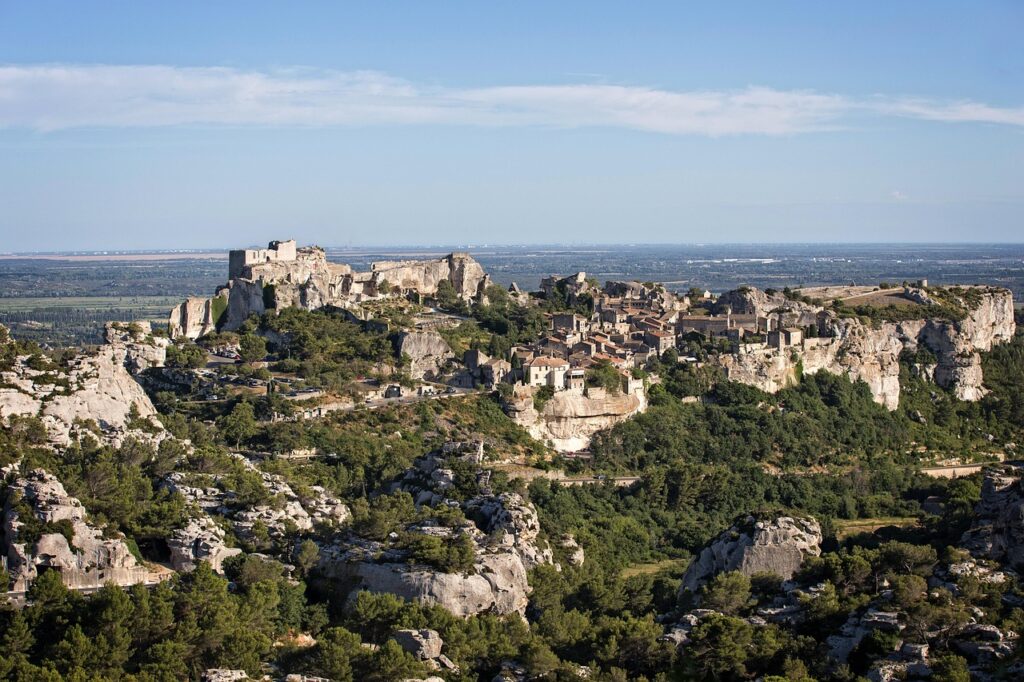
The Alpilles deliver concentrated panoramas: within a few kilometers you move from a limestone ridge to an olive grove dotted with shepherd huts, from a deep valley to a broad outlook over the plain. For a first panoramic experience, two places are essential: the village of Les Baux-de-Provence and the plateau at the Col des Mées (the local high point).
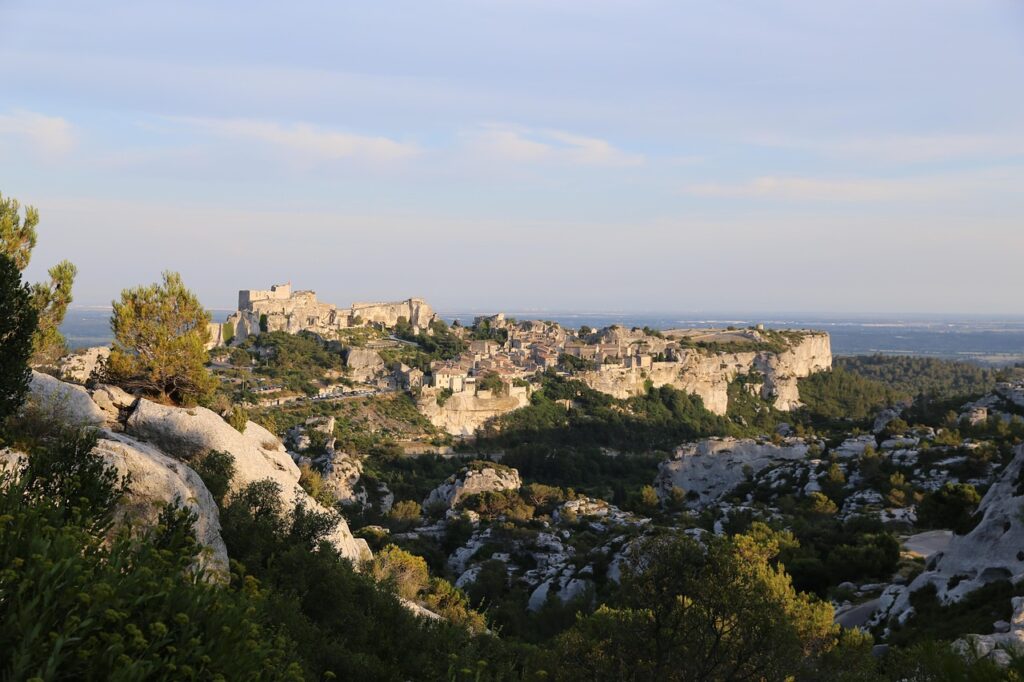
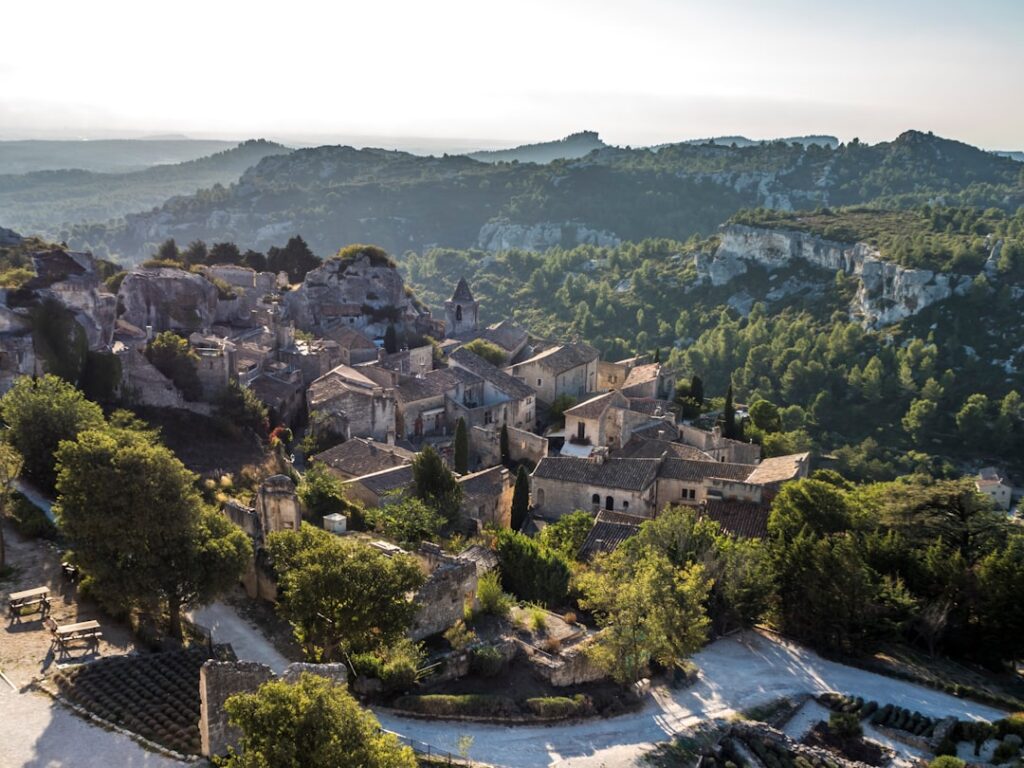
Les Baux-de-Provence (13520 Les Baux-de-Provence): take your time wandering the alleys and reach the natural viewpoint below the Château des Baux. Exact address for the castle: Château des Baux, Route de Maussane, 13520 Les Baux-de-Provence. Indicative opening hours: 10:00–18:00 (April to September often until 19:00), closed some days off season. Indicative admission: €11.00 adult, €9.00 reduced, free for under-18s (2024 rates indicative). From the top you look over the Val d’Enfer to the south, then the plain and, on a clear day, the distant silhouette of Mont Ventoux to the northeast. For photography, favor the golden hour before sunset: low light sculpts the limestone strata and boosts contrast.
The Cirque du Bout du Béal and the Val d’Enfer: below Les Baux, these tortured gorges are accessible from the Val d’Enfer car park (Route des Baux, 13520 Les Baux-de-Provence). The trail is waymarked but rocky: hiking boots recommended. The white and ochre relief, streaked by erosion, makes a fantastic geological playground. In autumn and spring, the contrast between bare rock and patches of green is striking.
Baou de la Gaude viewpoint / Col des Alpilles: for a more intimate outlook, head to Col d’Âne and Baou de la Gaude (access from Maussane-les-Alpilles). These ridges offer views over terraced olive groves and villages like Eygalières. The Baou trail is short but steep: in 30–45 minutes you reach a 360° panorama — perfect at sunrise for calm and active wildlife.
Local tips: avoid peak hours (11:00–16:00) in summer; choose dawn or late afternoon for better light and more animal activity. Carry enough water (at least 1.5 L per person in summer), a hat and sun protection. Parking at Les Baux and Val d’Enfer may be charged in high season: have coins or app payment ready. Photographers should consider a 70–200mm tele for raptors and a 16–35mm wide-angle for vistas.
2) Mediterranean Flora: Botanical Routes and Species to Know
The flora of the Alpilles is typically Mediterranean but with particular nuances due to the limestone. South-facing slopes are dominated by kermes oak and low garrigue — rosemary (Rosmarinus officinalis), thyme (Thymus vulgaris), rockrose (Cistus spp.), wild lavender (Lavandula stoechas) and savory. Cooler slopes and mid-altitude areas shelter Aleppo pines (Pinus halepensis), holm oaks (Quercus ilex) and tall grass ribbons where wild orchids thrive in spring.
Recommended botanical hike: the Painters’ Trail (Sentier des Peintres) — Saint-Rémy-de-Provence — start at Place Favier (Place Clémenceau, 13210 Saint-Rémy-de-Provence). Length: 6–8 km depending on variations. Duration: 2–3 hours while observing plants. Info point: Alpilles en Provence Tourist Office, Place Jean Jaurès, 13210 Saint-Rémy-de-Provence. Hours: usually 9:00–12:30 and 14:00–18:00 in season (check before you leave). The trail winds between stone terraces and vineyards, offering a rich aromatic palette and many spring blooms.
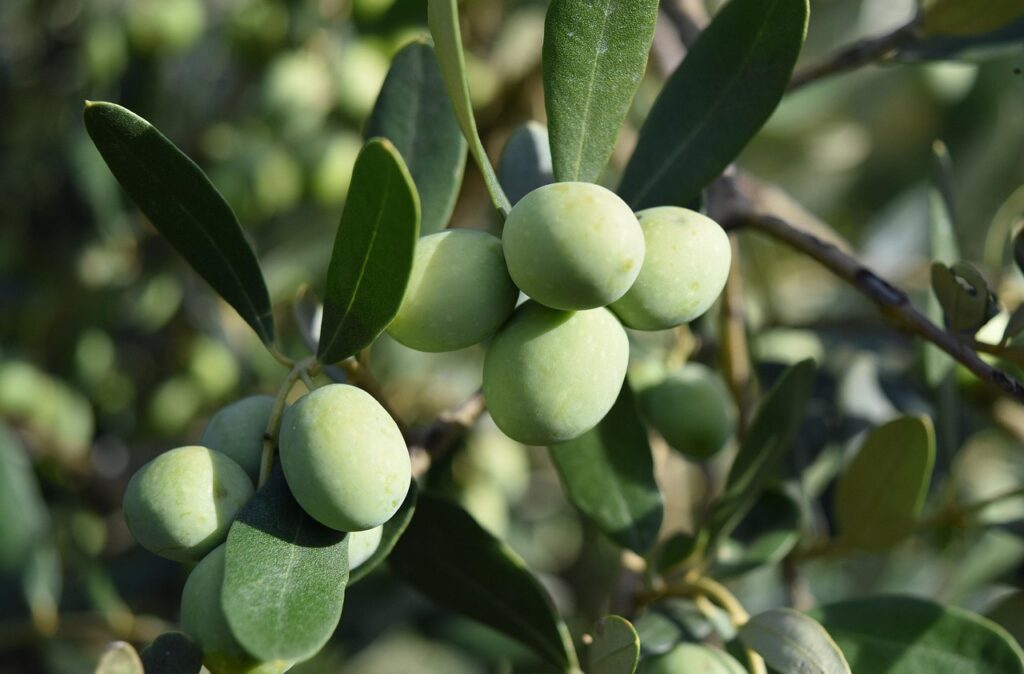
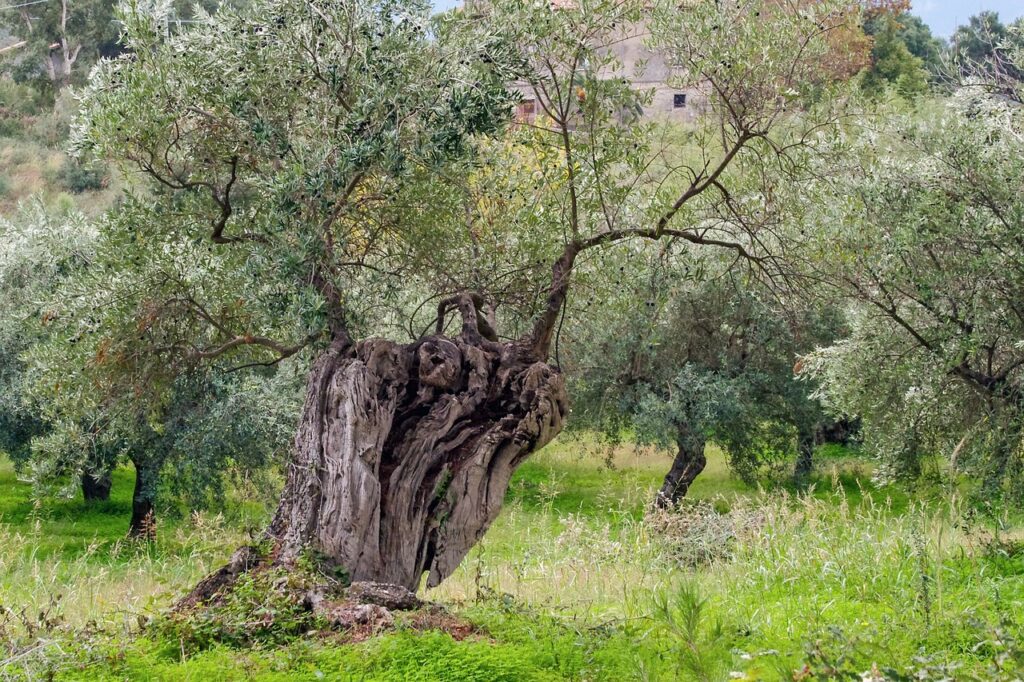
Millennial olive trees: the image of the Alpilles wouldn’t be complete without its olive groves. Mouriès (13550 Mouriès) presents itself as the “olive capital” of the Alpilles. Recommended visit: Huilerie de Mouriès, 11 Rue Saint-Antoine, 13550 Mouriès. Reception hours: 9:00–12:00, 14:30–18:00 (except Sunday morning); guided tours by reservation. Tasting visit price: €5.00–€10.00 per person (indicative), including tastings of oils and local products. Gnarled trunks and terraced fields offer a seasonal spectacle — white blossoms in spring, harvests in autumn — and make excellent subjects for photos showing the relationship between trees and built landscape.
Notable species: look out for orchids (Ophrys apifera, Orchis morio) in limestone meadows in spring, the woolly rockrose on warm slopes, and the Alpilles asphodel (Asphodelus) with its magnificent white bloom. In autumn, asters and heather add violet and pink touches. Occasional wetlands in the massif host moisture-loving plants like rushes and some sedge species.
Botanical tips: strictly respect the Alpilles Regional Natural Park rules: do not pick protected plants, stay on marked trails to avoid erosion, and don’t introduce any foreign plants. If you’re looking for orchids, use a field guide and don’t handle bulbs — the plant’s survival depends on its underground system. Bring a small notebook and a macro camera to document observations without taking samples.
3) Wildlife with the Naked Eye & Respectful Approaches: Birds, Mammals and Insects
Watching wildlife in the Alpilles requires patience and respect; the region hosts varied, sometimes elusive fauna: foxes (Vulpes vulpes) and badgers (Meles meles) at dusk, wild boar (Sus scrofa) often detected by tracks and crop damage, hares and rabbits at the garrigue edges. Among reptiles, grass snakes and slow-worms may be seen on warm rocks, and lizards bask on the terraces.
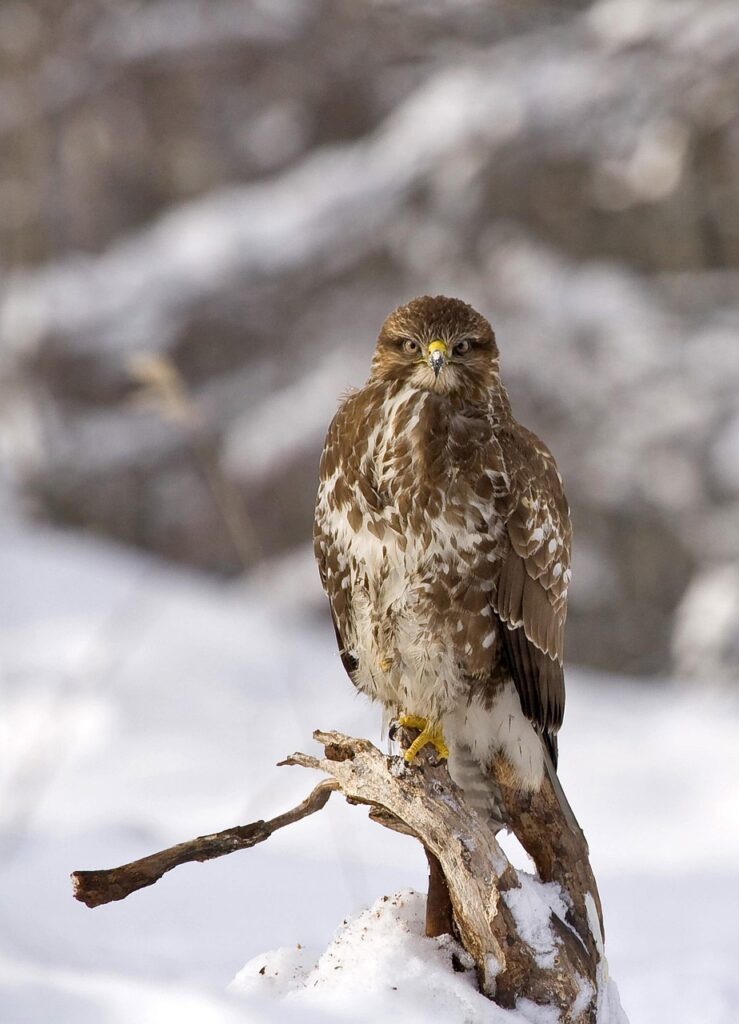
> Birds: The Alpilles are prime hunting ground for several raptors. The short-toed snake eagle (Circaetus gallicus) patrols during migration stops, the common buzzard (Buteo buteo) and the kestrel (Falco tinnunculus) are frequent. Griffon vultures (Gyps fulvus) are rarer but can be seen from certain lookouts. Wooded areas and temporary marshes attract a diverse songbird community: nightingales, warblers and the golden oriole in season.
Recommended birding spot: Marais du Vigueirat Regional Nature Reserve (if you want to extend toward the nearby Camargue) — Route de Saint-Chamas, 13200 Arles. Hours and fees: vary by season; guided visits may be charged (2024 indicative fees: €6.00–€12.00). The marshes are an excellent stopover for migrants and aquatic species, but note that this reserve lies outside the core of the Alpilles and requires a detour.
Field tips for wildlife watching in the Alpilles:
- Best times: sunrise and dusk — wildlife is most active and temperatures are more pleasant.
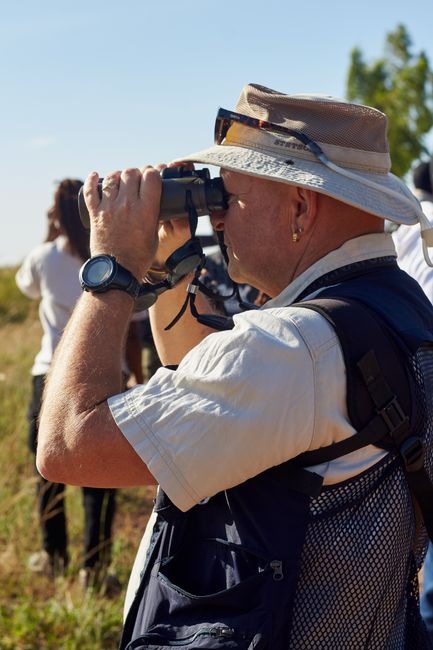
- Quiet and distance: use binoculars (8×42 recommended) and a telephoto lens (200–400 mm); never reach to feed or lure animals closer.
- Signs: look for clues: droppings, tracks, feathers — these signs often reveal presence and help identify local species.
- Follow the rules: don’t stray from marked trails in sensitive areas, especially near nests or breeding pockets.
Entomological particularities: warmth and aromatic vegetation attract a wide variety of insects — butterflies (Common Yellow, Swallowtail), wild bees and bumblebees, and colorful beetles. Limestone meadows host endemic insect populations; macro photographers will find varied subjects in spring and summer. If you’re an amateur entomologist, try to join a guided outing led by the Alpilles Regional Natural Park or a local birding/entomology club to identify and record observations without disturbing populations.
4) Cultural Sites in Harmony with Nature: Museums, Quarries and Windmills
The Alpilles blend natural and built heritage: human activities — olive growing, pastoralism, stonecutting — have shaped a remarkable cultural landscape. Several emblematic sites offer a cross-reading of history and nature.
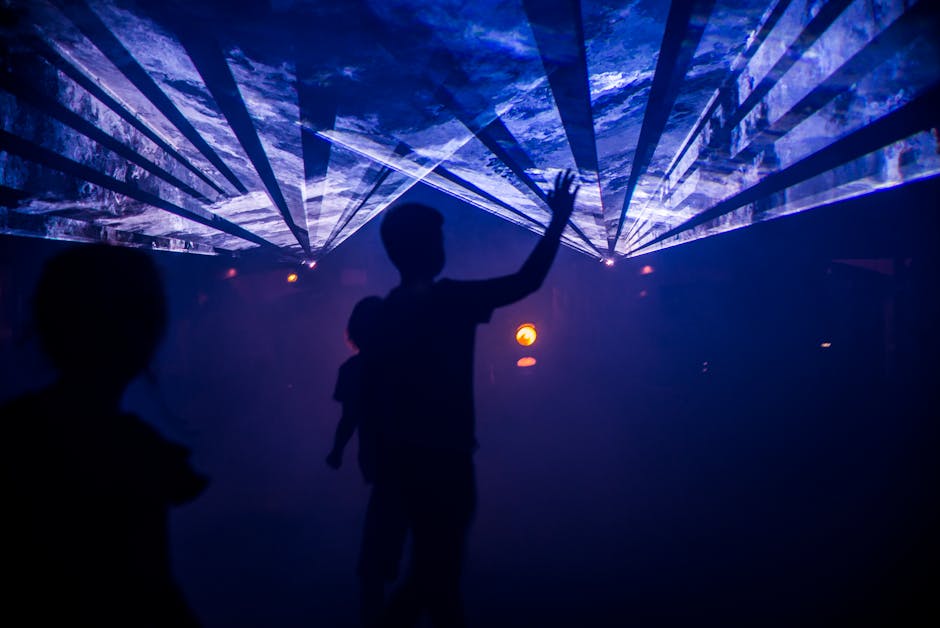
Carrières de Lumières — Les Baux-de-Provence: Route de Maussane, 13520 Les Baux-de-Provence. These former quarries transformed into an art space project immersive exhibitions on magnificent limestone walls. Indicative hours: 10:00–19:00 (closing times vary with events), indicative prices: €15.00 adult, €11.00 reduced, €9.00 child (2024 rates indicative). The site provides an experience where light and stone converse, creating an aesthetic awareness of the omnipresent rock in the Alpilles.
Alphonse Daudet’s Windmill — Fontvieille: Route d’Eygalières, 13270 Fontvieille. The windmill, made famous by the author’s Letters from My Windmill, is a literary and rural symbol. Outdoor access: free; for museums and events check with Fontvieille town hall (Place du Village, 13270 Fontvieille, Town Hall tel.: +33 4 90 54 23 44). Interior visits: usually a few euros during special openings (indicative fee: €3–€6). The mill overlooks meadows and orchards: the contrast between rural heritage and wild nature makes for very photogenic scenes.
Musée Estrine — Saint-Rémy-de-Provence: 7 Rue Paul Bourret, 13210 Saint-Rémy-de-Provence. This museum, devoted to art and its relationship to nature (notably painters who worked in Provence), offers temporary exhibitions. Indicative hours: 10:00–12:30 and 14:00–18:00; indicative prices: €6.00 adult, €4.00 reduced. Museum routes are often complemented by thematic walks led by the tourist office, emphasizing encounters between art and landscape.
Visitor tips: combine cultural visits with nearby outdoor walks to understand how humans have shaped the garrigue: dry stone walls, terraces, stone huts, irrigation basins. Respect opening times and book in high season, especially for the Carrières de Lumières, which can sell out on summer afternoons. Bring a small notebook: the geological and local history panels enrich the landscape reading.
5) Hiking Routes & Themed Walks: Practical Info, Addresses and Maps
The Alpilles offer short and technical routes suitable for families and seasoned hikers alike. Here are some recommended circuits with starting points, precise directions and practical tips.
Alyscamps trail / Saint-Rémy-de-Provence (easy loop) — Start: Place Jean Jaurès, 13210 Saint-Rémy-de-Provence. Duration: 1.5–2 hours. This alternative route runs along fields and terraces, great for a morning stroll. No entrance fee, freely accessible. Ideal for plant-watching, listening to tits and nightingales, and enjoying terrace cafés on your return.
Les Baux and Val d’Enfer loop (moderate) — Start: Val d’Enfer car park, Route des Baux, 13520 Les Baux-de-Provence. Length: 5–7 km; duration: 2–3 hours depending on stops. Stony paths and narrow passages: good footwear recommended. Highlights: geological formations, views over the plain and access to Château des Baux if you want to combine hiking and a historical visit.
Baou Hiker’s Trail (sporty level) — Start: Maussane-les-Alpilles, 2 Avenue Jean Jaurès, 13520 Maussane-les-Alpilles (parking recommended at Place Saint-Saturnin). Length: 8–12 km depending on loop; duration: 3–5 hours. This circuit climbs ridges with panoramic views over Eygalières and the Luberon. Follow markers and avoid exposed tracks in stormy weather.
Maps and practical info: pick up the IGN Top 25 map (1:25 000) for the « Saint-Rémy-de-Provence / Les Baux-de-Provence » area at the Alpilles en Provence Tourist Office. Tourist Office – Alpilles en Provence: Place Jean Jaurès, 13210 Saint-Rémy-de-Provence. Hours: 9:00–12:30 / 14:00–18:00 (variable). Indicative price for IGN maps: €9.50–€12.00.
Hiking tips:
- Gear: hiking boots, water (at least 1.5–2 L per person), optional poles, hat, sunscreen.
- Safety: tell your accommodation your route if hiking alone, carry a phone power bank and check the weather before you leave.
- Timing: spring and autumn are best to avoid summer heat; in summer go early morning or late afternoon.
- Eco-respect: don’t pick protected plants, take all rubbish with you and respect wild animals.
Conclusion: A Full, Responsible Immersion in the Alpilles
The Alpilles can be discovered at many paces: watching a sunset from Les Baux-de-Provence, inhaling the scents of garrigue along a rosemary-lined path, listening to the short-toed eagle or the cry of a golden oriole, or admiring a windmill above a field of centuries-old olives. This guide offered a comprehensive approach — panoramas, flora, fauna, cultural sites and hiking routes — with addresses, hours and indicative prices to make your stay easier.
To recap the essentials: plan your visits (especially for Carrières de Lumières and some guided tours), favor cooler hours for wildlife watching, follow the Alpilles Regional Natural Park rules, and equip yourself properly (water, boots, binoculars, IGN maps). Remember that the beauty of the Alpilles depends on a fragile balance between traditional human activities and natural habitats; your responsible behavior helps preserve that identity.
Finally, give yourself time: often the key to a successful immersion is slowness — a pause beneath an olive tree, reading labels at a local oil mill or sipping a coffee on a village square while the light shifts. The Alpilles offer as many simple emotions as scientific discoveries; they reward curious, attentive and respectful visitors. Enjoy your stay, and may you leave with the scented silence of the garrigue in your ears, the stone changing color with the sun in your eyes, and images and smells that linger long after you go.