





Introduction: when to go to Provence for lavender, beach time and hiking
Provence is a many-sided destination: endless purple fields, turquoise calanques carved into white rock, and rocky trails that lead to dizzying viewpoints. Picking the « best season » for a trip to Provence really boils down to what you want most — catching lavender in bloom, lounging on Mediterranean beaches, or hiking the region’s massifs and gorges. This practical guide helps you decide when to go and how to make the most of each season, with specific addresses, opening times and price indications where relevant. It mixes climate observations, local tips and logistical info so you can tailor your trip to your priorities.
Lavender, the quintessential image of Provence, doesn’t bloom everywhere at the same time: altitude, orientation and yearly agricultural variations change flowering windows. The Vaucluse and Luberon plateaus — think the Valensole Plateau and the village of Sault — each have their own calendars. Beaches, from the Porquerolles archipelago to the tiny coves of the Calanques, also follow seasonal rhythms: visitor numbers, sea temperature and available services shift significantly between June and September. Finally, hiking depends mainly on heat, fire risk and the seasonal openings of natural parks (notably the Calanques National Park and the Verdon gorges). This guide sets out the best timeframes for each activity, suggests representative routes and gives concrete tips: arrival times to avoid crowds, rough ferry or visit prices, and useful contacts for tourist offices and parking.
You’ll find immersive descriptions to get a feel for each place (the scent of lavender, the pine needles crackling under the sun, the wind rushing along a cliff), plus practical suggestions — what clothes to pack, how much water per person for a summer hike, and local rules to follow (protected zones, seasonal access permits, fire bans). The sections below are organized to give clear reference points: the optimal window for lavender, for beaches, for hiking, and combined practical advice for planning a mixed itinerary. If you’d like a customized route tuned to your exact dates, I can put one together on request.
1. Lavender: best timing, iconic spots and practical tips
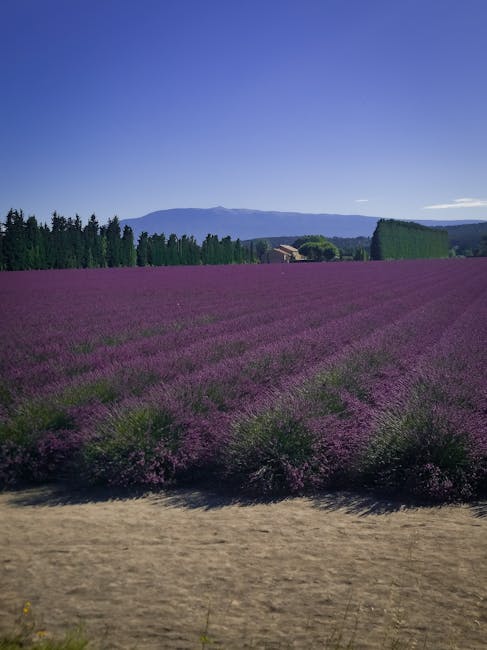
Lavender in Provence mainly flowers from late June to late July, but timing varies with altitude and species (true lavender, Lavandula angustifolia, at higher elevations; lavandin on mid-altitude plateaus). For an optimized experience, focus on three complementary zones:
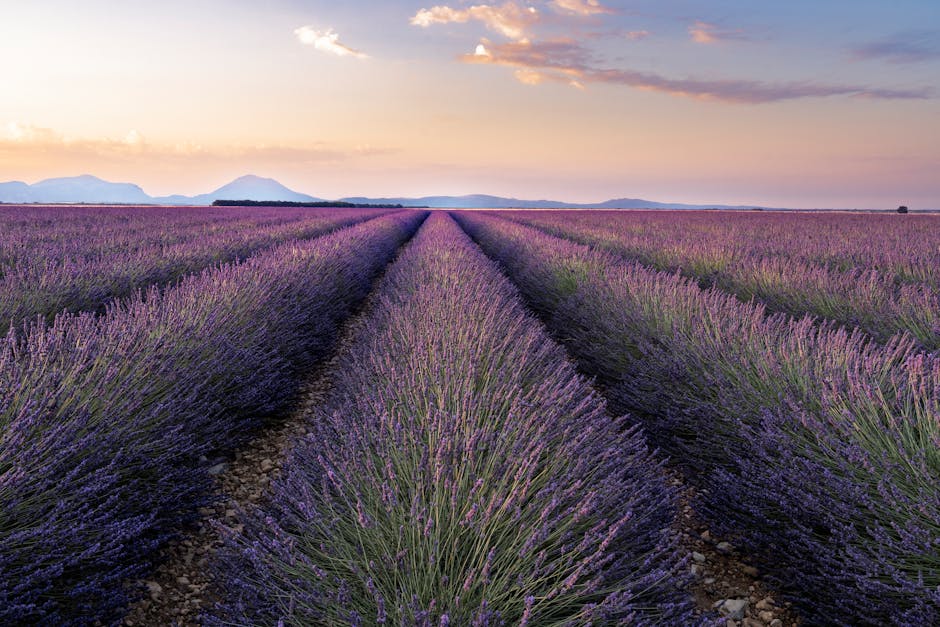
- Valensole Plateau (Plateau de Valensole, 04210 Valensole) — ideal window: mid-June to early July for the lower fields, sometimes late June for peak bloom. The scale is spectacular, with perfectly lined rows framed by pines and olive trees. Parking is easy along the D6 and small local roads. Valensole Tourist Office: Place du Clos, 04210 Valensole, high season hours 9:00–12:30 / 14:30–18:30, contact +33 (0)4 92 74 64 10.
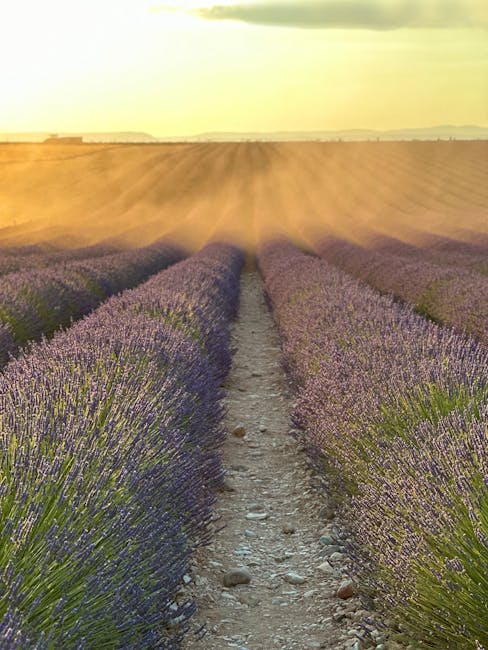
- Sault (Place du Foirail, 84390 Sault) — ideal window: late July to early August, thanks to its higher altitude (around 760 m). Sault is beloved for its local markets and distillation workshops. Sault Tourist Office, Place du Foirail, 84390 Sault, hours 9:00–12:30 / 14:00–18:00 in season; private distillery visits are possible (workshop prices roughly €6–12 depending on duration).
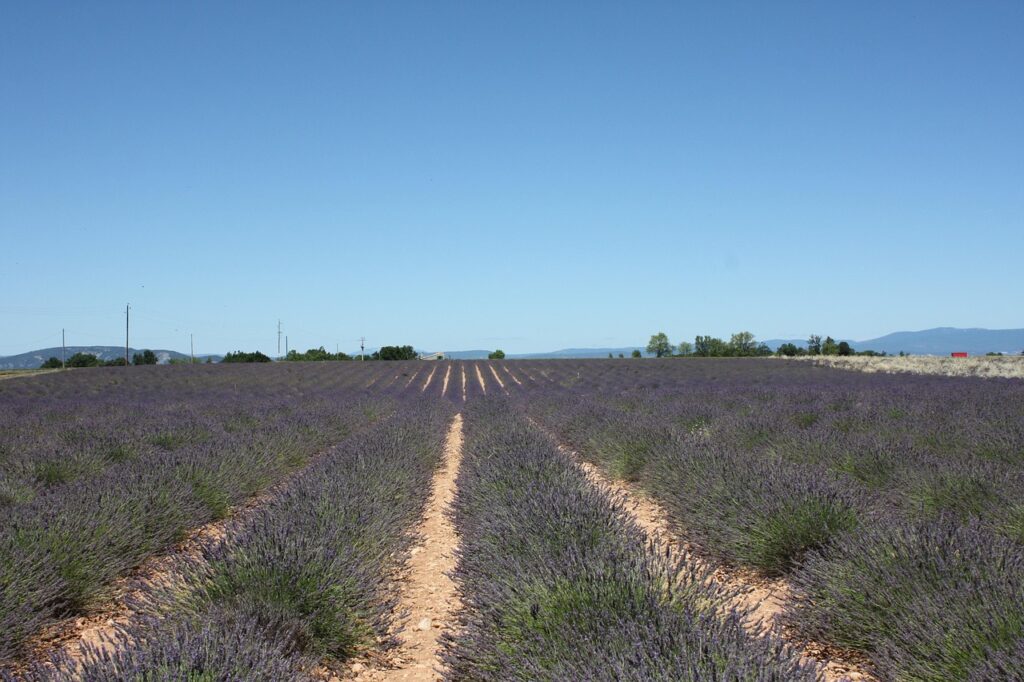
- Abbey of Notre-Dame de Sénanque (Abbaye Notre-Dame de Sénanque, 84220 Gordes) — ideal window: mid-June to early July. The rows of lavender framing this Cistercian abbey are iconic. Address: Abbaye Notre-Dame de Sénanque, 04220 Gordes. Access: exterior site is free; guided visits of the community and cloister depend on schedules (info +33 (0)4 90 72 13 78). Guided visits are usually paid, around €6 per person, with hours that vary by season (check locally).
Local tips:
- Arrive early (6:30–9:00) to avoid heat and crowds, and to catch the best light for photos.
- Respect private property — don’t walk through cultivated plots without permission and don’t pick lavender without the owner’s consent.
- If you want to see wax production or distillation, check with local distilleries (workshops €6–20 depending on the format).
- Bring a hat, sunglasses and 1–2 liters of water per person for walks through the fields.
2. Beach: when to enjoy Provence’s coast (Porquerolles, the Calanques, Hyères, Cassis)
Provençal beaches offer very different experiences: protected islands, long sandy stretches, small rocky coves. High season (July–August) guarantees warm weather and full services, but also crowds. For a balance between comfort and peace, aim for late June or September. Here are representative spots with addresses, prices and indicative hours:
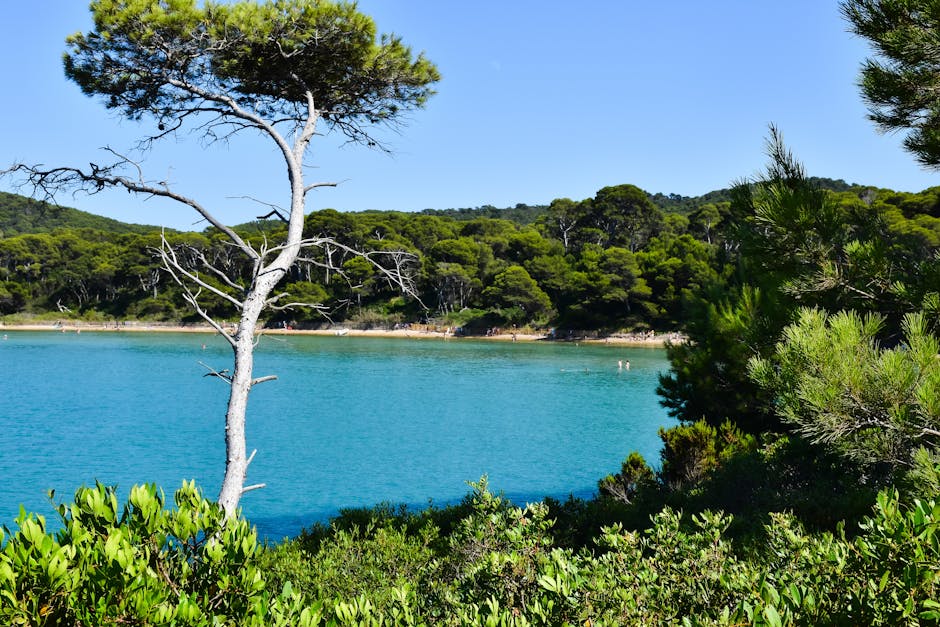
- Plage d’Argent, Porquerolles Island — access by ferry from La Tour Fondue, Hyères (Port de Porquerolles). Crossing: Compagnie Les Iles d’Or, departures from La Tour Fondue, Avenue des Tamaris, 83400 Hyères. Approximate fare: €17–20 round trip per adult (varies by season), high-season departures roughly 8:30–19:00 with more frequent crossings. Plage d’Argent is a wide sandy ribbon with protected seagrass beds, turquoise water and conserved marine life. Car traffic on the island is limited, so renting bikes is recommended (about €10–20/day).
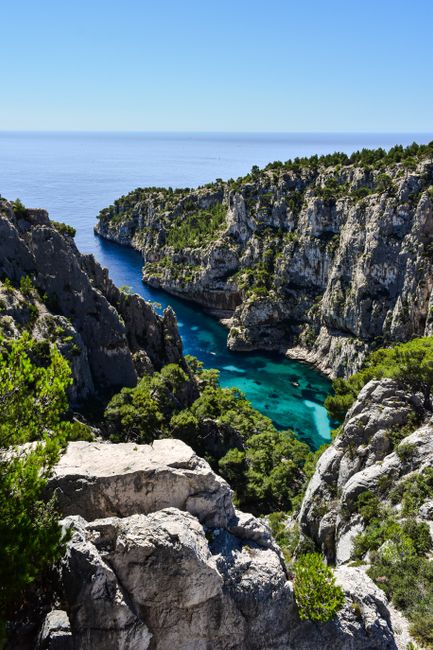
- Calanque d’En-Vau, Calanques National Park — access point from Cassis: park at the Port of Cassis, 13260 Cassis. Reach it on foot via a marked trail (about 2 hours one way depending on the start) or by boat taxi (departures from the Port of Cassis, fares around €10–20 one way). In summer, the park may impose access restrictions due to fire risk; check the Calanques National Park website (https://www.calanques-parcnational.fr) before you go. The water here is deep blue, but the beach is pebbly and the approach is physically demanding. Bring proper footwear and plenty of water.
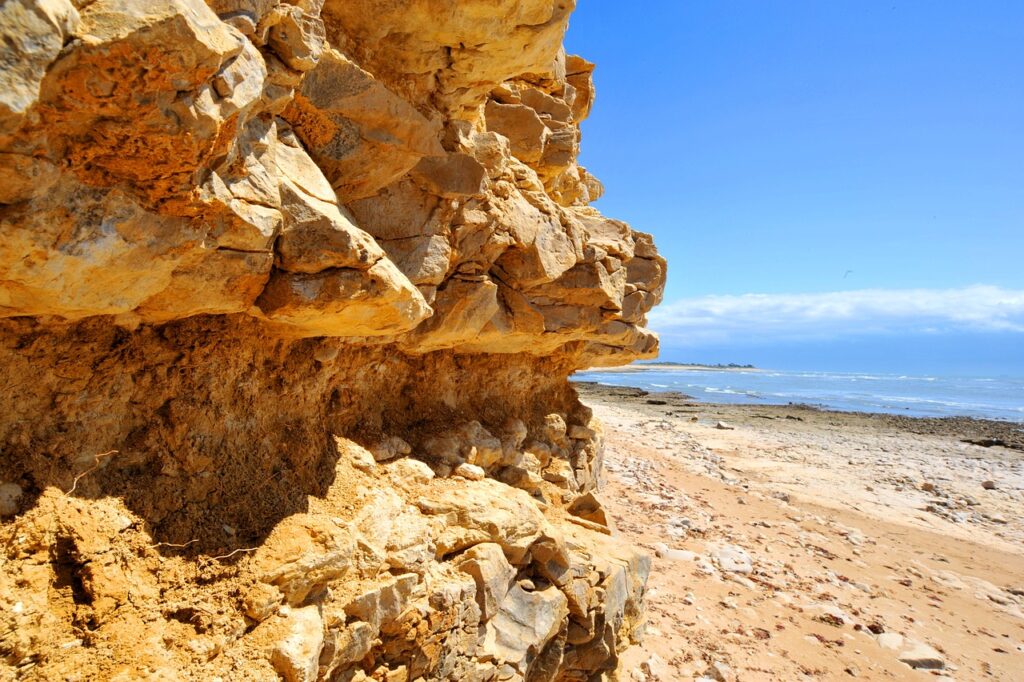
- Plage de l’Almanarre, Hyères — Route du Sel, 83400 Hyères. Very popular with watersports lovers (kitesurfing, windsurfing), this is a long sandy beach with shallow water near the shore. Paid parking in high season (around €5–10/day), equipment rental and kite schools available.
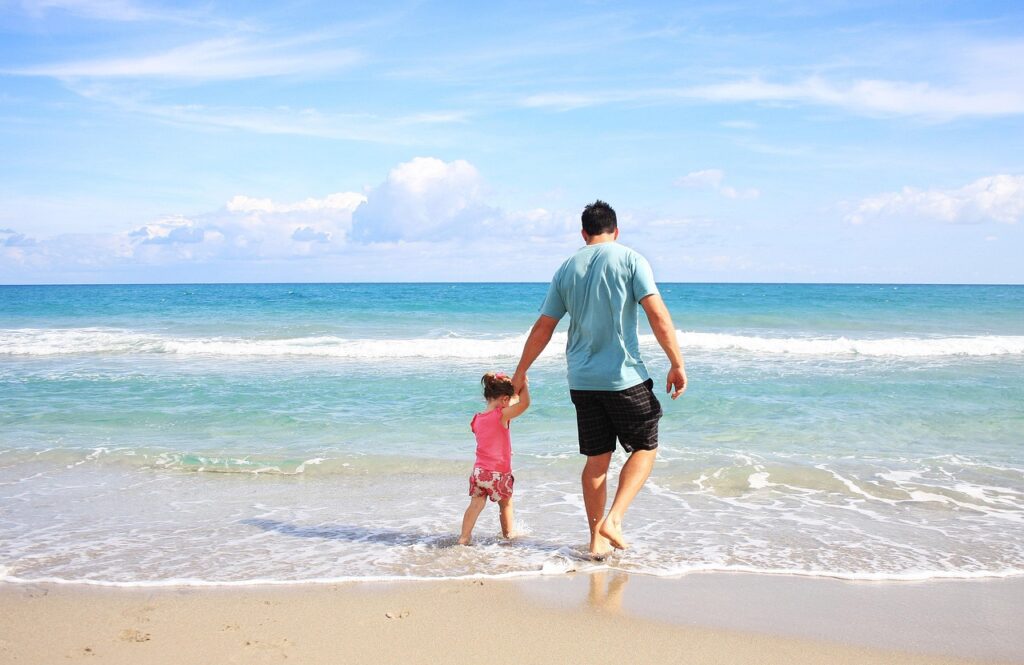
- La Courtade Beach, Porquerolles Island — on the island near Port de Porquerolles, 83400 Porquerolles. Shallow water, great for families; cafés and restaurants open nearby in high season.
Local tips:
- To dodge crowds, go early in the morning or late afternoon; in September the sea stays warm but many tourists have left.
- The Calanques require good fitness and gear (walking shoes, water, hat). Boat taxis are convenient but timetables depend on tides and weather.
- Avoid days with strong mistral winds if you want calm water; for wind sports check local conditions (schools available on site).
3. Hiking: best seasons, routes and rules to know
Hiking in Provence is best in spring (April–June) and autumn (September–October): pleasant temperatures, flowering landscapes and lower fire risk. Summer hikes are possible but need extra caution — start early, hydrate and be mindful of closures due to fire risk. Here are some must-do routes with starting points, timing and tips:
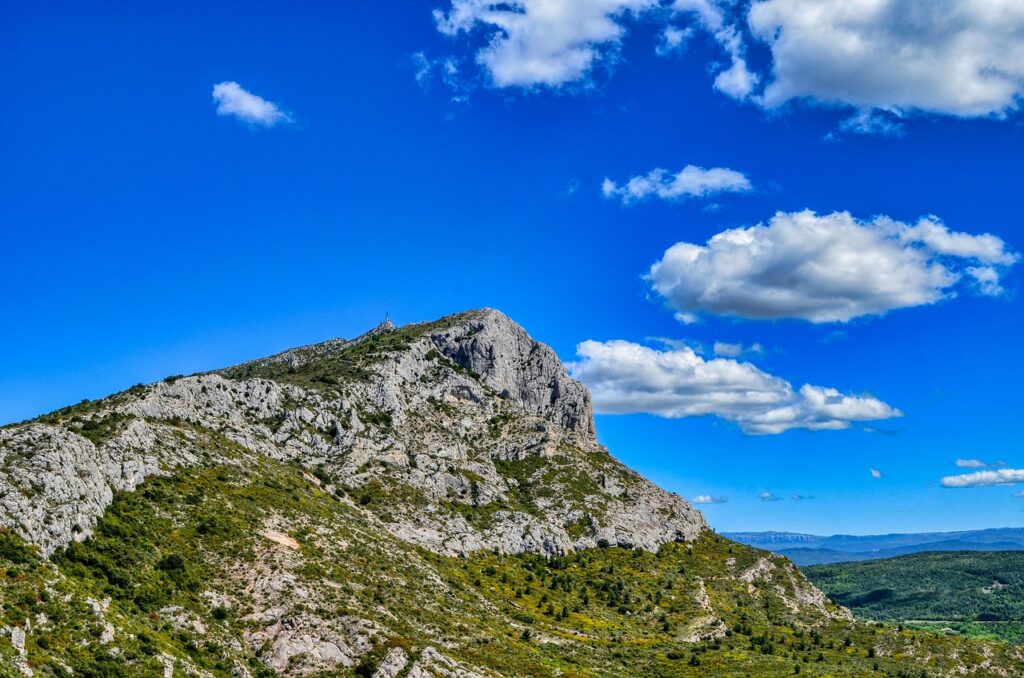
- Montagne Sainte-Victoire (Aix-en-Provence) — main access: Route Cézanne / Le Tholonet, 13100 Le Tholonet. Park at Le Tholonet parking (free or relay parking depending on season). Classic route to Pic des Mouches: 3–5 hours return depending on your start; trails are well marked. No entrance fee; in summer aim to start before 9:00 to beat the heat.
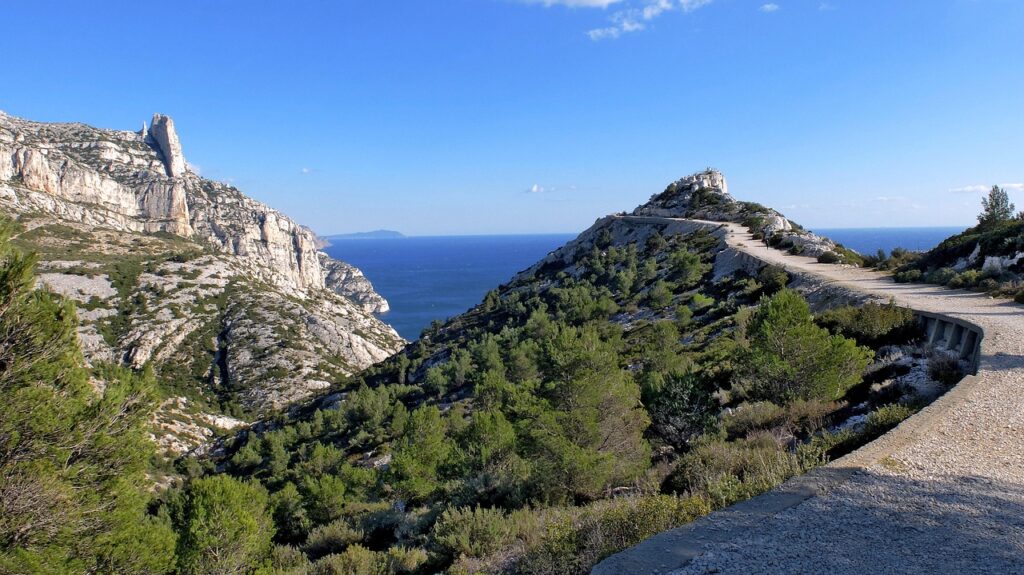
- Calanques National Park, trail Cassis–En-Vau — start at Port de Cassis, 13260 Cassis. Walking access time varies by route (2–4 hours), boat taxis possible. In summer some zones may be restricted (check https://www.calanques-parcnational.fr). Plan 2–3 liters of water per person, sturdy hiking shoes and a hat.
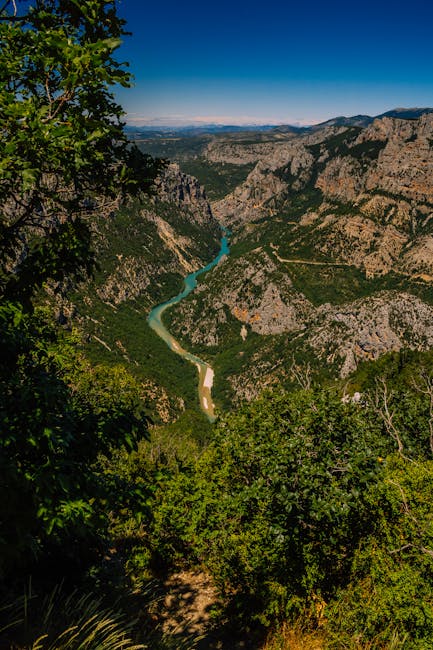
- Verdon Gorges — Sentier Blanc-Martel — starting point: La Maline parking, D957 road, 04120 Castellane (or other sections depending on the stretch). This is a demanding hike along the Verdon with spectacular canyon views. Access is free; bring full equipment — the route can take the better part of a day.
Tips and rules:
- Check seasonal restrictions: in summer, some massifs limit access at midday and afternoon to prevent fires. Municipal decrees may be in force — check with the local Tourist Office.
- Minimum kit: hiking boots, 2–3 liters of water per person for a hot day, sunscreen, a light windbreaker and a basic first-aid kit.
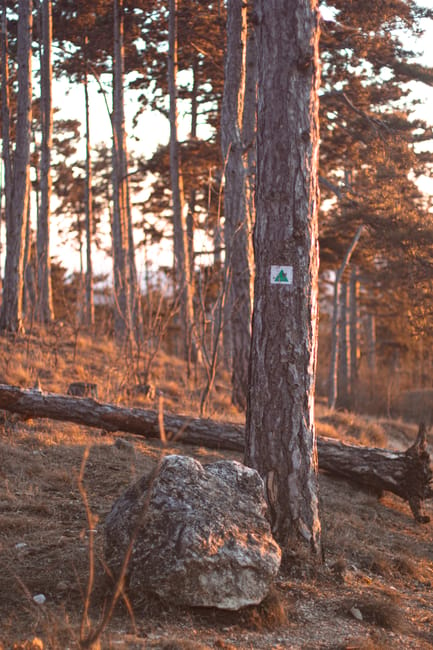
- Respect signage and stay on marked trails — some limestone slopes are unstable.
- Services: Tourist Offices for maps and info — Cassis Tourist Office, 1 Rue Marius Lacan, 13260 Cassis, hours 9:00–12:30 / 14:00–18:00 in season, phone +33 (0)4 42 01 02 03.
4. Combined practical advice: when to go if you want lavender, beach and hiking in the same trip
If you want to combine lavender, beaches and hiking in one trip, the best windows are:
- Late June – early July: the sweet spot for most Valensole and Sénanque fields. The sea is warming up and high-altitude trails are safe (no snow). Drawbacks: beaches and popular sites start to get busier.
- Late July – mid-August: perfect for warm beaches and water sports. However, lowland lavender fields may already have been harvested while high-altitude blooms around Sault are still on; hiking can be trickier due to heat and fire closures.
- September: a very pleasant compromise — the sea stays warm, crowds thin out and trails become more comfortable. The lavender is past its peak, but the region is still gorgeous and much quieter.
Useful addresses and services:
- Valensole Tourist Office, Place du Clos, 04210 Valensole — for field maps and distillery contacts (seasonal hours, tel. +33 (0)4 92 74 64 10).
- Ferry companies for Porquerolles: departures from La Tour Fondue, Avenue des Tamaris, 83400 Hyères — fares €17–20 round trip (vary by season and time); book in advance for July–August.
- Calanques National Park — check the official page for restrictions and access info: https://www.calanques-parcnational.fr. The Park House and local offices provide updates and safety advice.
More local tips:
- Transport: renting a car makes it easy to hop between lavender fields, beaches and mountain areas. Key departmental roads for these circuits include D6 (Valensole), D559 (Var coast) and D952/D956 (Verdon Gorges).
- Estimated budget: rental car €40–80/day depending on season; town/village accommodation €70–150/night for a double room in season; seaside restaurants €20–40 per person for a main course.
- Respect the environment: leave no trace, avoid single-use plastics, and follow park rules to preserve these fragile landscapes.
Conclusion: which season to choose depending on your priorities and final recommendations
In short, there’s no single “best” season that covers lavender, beaches and hiking — each period has its perks. To see lavender at peak bloom, aim for late June–early July for Valensole and mid-July for Sault; for warm seas and water activities, choose July–August (but expect crowds); for the most comfortable hiking, pick spring or autumn when temperatures are mild and landscapes are lush. If your schedule allows flexibility, the best compromise to combine everything is around late June–early July: you’ll have a good shot at lavender, pleasant sea conditions and doable morning hikes.
Before you go, always double-check local information: opening hours and days for tourist offices (Sault Tourist Office, Place du Foirail, 84390 Sault; Valensole Tourist Office, Place du Clos, 04210 Valensole; Cassis Tourist Office, 1 Rue Marius Lacan, 13260 Cassis), ferry crossings to the islands (La Tour Fondue, Hyères) and prefectural orders regarding fire risk and massif closures. For photography, plan for sunrise in the lavender fields (golden light and calm atmosphere) and late afternoons for beaches when the sea often calms. Finally, respect the fragility of these environments — don’t pick lavender without permission, stay on marked trails in the Calanques and pack out your rubbish.
If you want a detailed day-by-day itinerary for X days (for example 4–7 days) including bookings, recommended places to stay with price ranges, and precise timing tips to avoid crowds and get optimal light, tell me your dates and I’ll create a personalized plan. Enjoy your trip to Provence: breathe in the lavender, dip your toes in a hidden cove and climb a ridge to soak up memories that will last a lifetime.