





Introduction: Preparing Your Beach Day in Provence — Safety, Comfort and Fun
Provence, with its rugged coastline, hidden coves and long sun-drenched beaches, invites you to savour the sea, the mistral and the unique light that make every day special. Getting ready for a beach day here is more than tossing a towel and swimsuit into a bag: it’s about anticipating changeable weather, knowing local bathing rules, planning transport, bringing the right safety gear, and thinking about comfort so your day goes off without a hitch. This practical, detailed guide gives you a complete checklist for a successful beach outing in Provence, including exact addresses, usual opening hours, indicative prices, vivid descriptions and time-tested local tips.
Whether you’re headed to a popular shore like Plage du Prado in Marseille, a limestone cove in the Calanques such as Calanque d’En‑Vau (inside the national park) or a wilder peninsula like L’Estagnol at Bormes‑les‑Mimosas, the same principles apply: safety (flags, lifeguard posts, first aid), hydration and sun protection, gear for kids and dogs, waste management, and respect for protected zones and regulations. Good preparation prevents stress on site: you’ll know where to park, whether there’s a paid lot (and how much), when the beach is patrolled, which nearby shops or snack stands offer reasonable options, and where the nearest pharmacy is. You’ll also get practical tips like how to read bathing flags, what to do in case of cramps, and how to plant a parasol so it holds up in the mistral.
The Mediterranean climate encourages early mornings or late afternoons in high season to avoid the heat, but you should also consider tides, supervised swimming areas and activities (diving, kayaking, paddleboarding) that may require different equipment. This guide contains precise, practical info — full place names, exact addresses, typical opening hours, prices in euros — so you can plan every detail. You’ll find printable checklists, suggested routes, and local tips for enjoying an artisan ice cream at day’s end or finding a less crowded cove in high summer.
Lastly, this guide takes legal and ecological rules into account: the Provençal coastline includes protected areas (Parc national des Calanques, nature reserves) where parking, fires and camping are regulated. Respecting these rules not only keeps you comfortable but helps preserve these extraordinary landscapes. Follow the checklist below to turn your Provence beach trip into a calm, safe and memorable day.
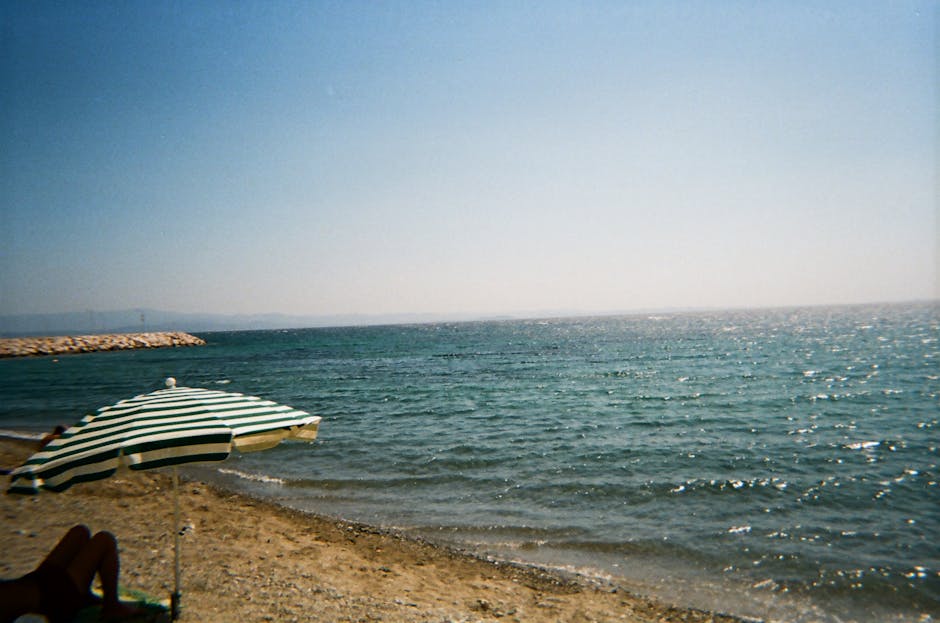
1) Before You Go: Planning, Weather and Transport
The first step to a great beach day in Provence starts the day before: check the weather, plan your route and think about parking. In summer the Mediterranean weather can be stable, but wind (mistral or sea breeze) and violent late-day storms can disrupt plans. Consult reliable sources like Météo‑France (official site or app) and local bulletins. For example, if you plan to head to Plage du Prado in Marseille, also check air quality and the city’s maritime bulletin which can report seaweed, posidonia wrack or rough seas.
Hours and addresses: Google Maps and official sites list parking details. Concrete example: Plage du Prado (Les Plages du Prado), Boulevard Michelet, 13008 Marseille. Public parking: Parc Manoeuvre and Prado car parks, prices vary (indicative in 2026: €2.50 / hour in nearby zone, day rates €12–20 depending on spot). Prado beaches are typically supervised mid‑June to mid‑September from 9:30 to 18:30 (indicative hours — check with Marseille City Hall or the Les Plages du Prado website).
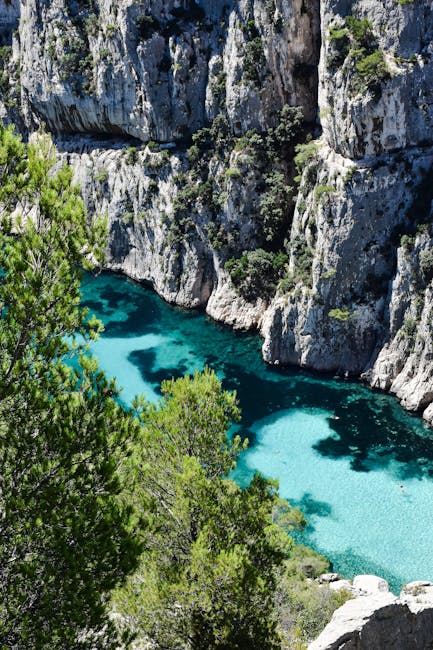
If you prefer a destination in the Var, like Plage de l’Estagnol, Route de la Plage, 83350 Bormes‑les‑Mimosas, paid parking is often in effect (indicative 2026: €5–8 per day in high season). Road access can be slow due to heavy traffic; leaving early (before 9:00) is recommended to find a spot and a peaceful place to set up. For the Calanques, such as Calanque d’En‑Vau (Parc national des Calanques), access may be on foot or by boat: if you plan to reach En‑Vau from Cassis, allow for the steep trail (2–3 hours round trip depending on start point) and bring appropriate gear (hiking shoes, minimum 1.5–2 L water per person).
Public transport and boat links: factor in boat shuttle schedules. For example, from Cassis harbour (Port de Cassis, 13260 Cassis) boat shuttles to the Calanques and nearby beaches usually run between 9:30 and 17:00; indicative prices: €10–18 round trip per adult depending on destination and season. Book ahead in high season (June–August), especially on weekends. In Marseille, the RTM runs bus lines and beach shuttles — check RTM’s site or app for timetables.
- Quick pre-departure checklist:
- Check the weather and marine bulletin
- Confirm lifeguard hours and parking info
- Book boat tickets/parking if needed
- Pack a safety kit (first aid, water, blankets)
2) Safety Gear: What You Must Never Forget
Beach safety in Provence rests on a few simple but vital principles: know the bathing flags, bring a first‑aid kit, check for a lifeguard post, and adapt your gear to the environment (rocky coves, unsupervised swimming areas, strong wind). Here’s the essential gear and where to find help or equipment.
Bathing flags and what they mean: in France, supervised beaches often fly a flag:
- Green flag: swimming allowed, calm conditions — still supervise kids.
- Orange flag: swimming allowed with caution (currents, moderate waves).
- Red flag: swimming prohibited due to danger (high surf, storms, pollution).
- Purple flag: biological hazard (jellyfish or other stinging organisms) — check with the lifeguard post.
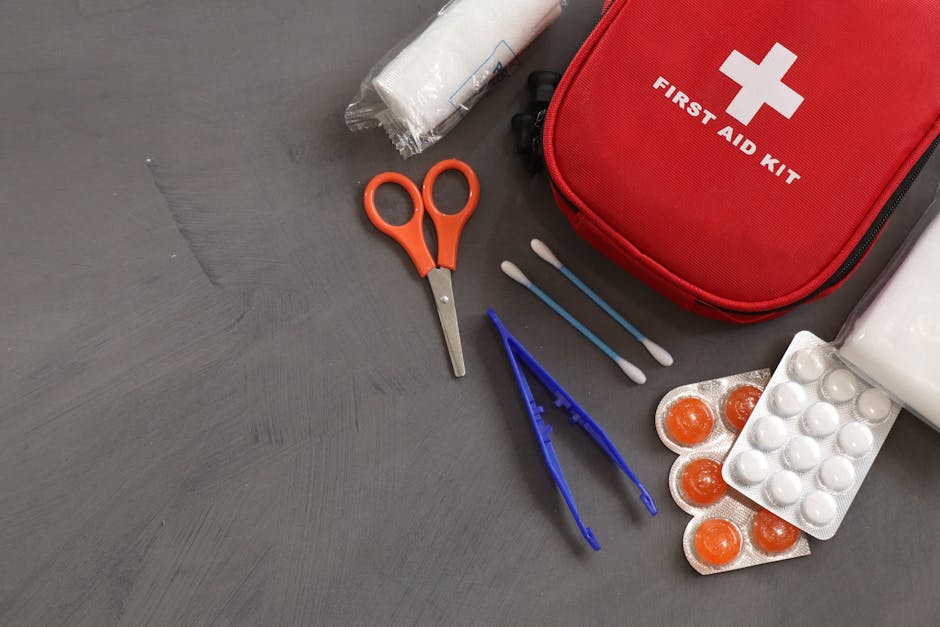
First‑aid kit: keep it in a waterproof bag and include plasters, sterile dressings, antiseptic, bandage, tape, burn ointment, a pair of gloves, an emergency blanket and a small first‑aid manual. Add a whistle, headlamp or flashlight for late returns and a charged phone with local emergency numbers saved: Pompiers: 18, Urgences: 15, Samu: 15, and the Europe-wide emergency number 112.
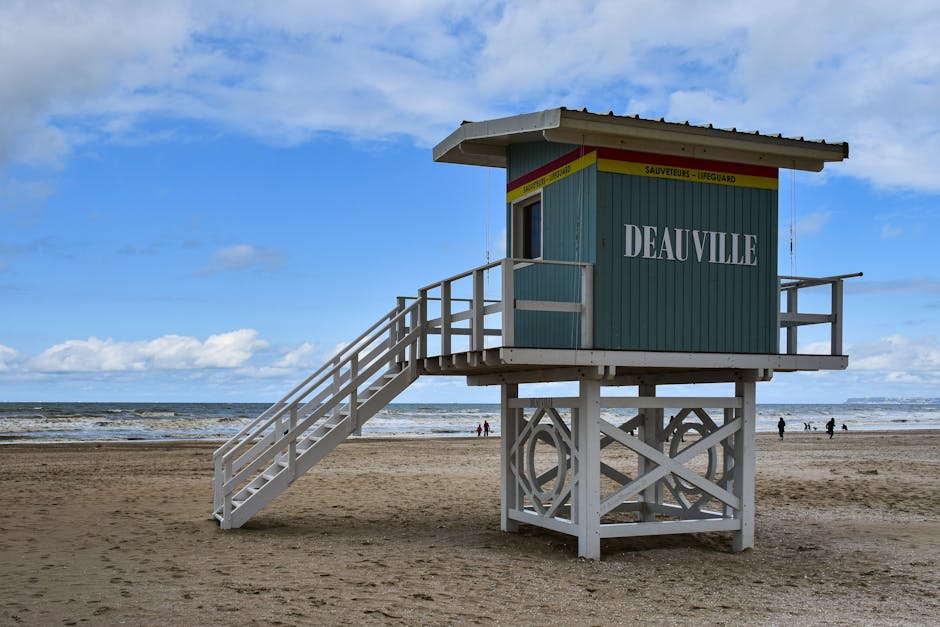
Lifeguard posts and pharmacies: supervised beaches have lifeguard stations. Examples:
- Plage du Prado lifeguard post, Boulevard Michelet, 13008 Marseille — seasonal surveillance, indicative hours 09:30–18:30.
- Plage de la Grande Mer lifeguard post, Avenue de la Plage, 13260 Cassis — seasonal supervision with professional lifeguards.
On‑duty pharmacies and medical care: note the nearest pharmacy before you arrive. Examples:
- Pharmacie de la Corniche, 44 Boulevard Michelet, 13008 Marseille — indicative opening hours 08:30–19:30 (check for closures and on‑call hours).
- Pharmacie du Port, 5 Quai Barthélémy, 13260 Cassis — often opens early and closes late in tourist season.
Additional safety items: CE‑approved flotation vests or armbands for children, rings and life jackets for small boats, water shoes for rocky coves, broad‑spectrum sunscreens (SPF 50+ for children) and hats. Also bring a waterproof pouch for documents, an external battery pack (10,000 mAh) and, if relevant, a jellyfish spray for high‑risk areas.
3) Beach Comfort: Parasols, Picnics, Shade and Local Picks
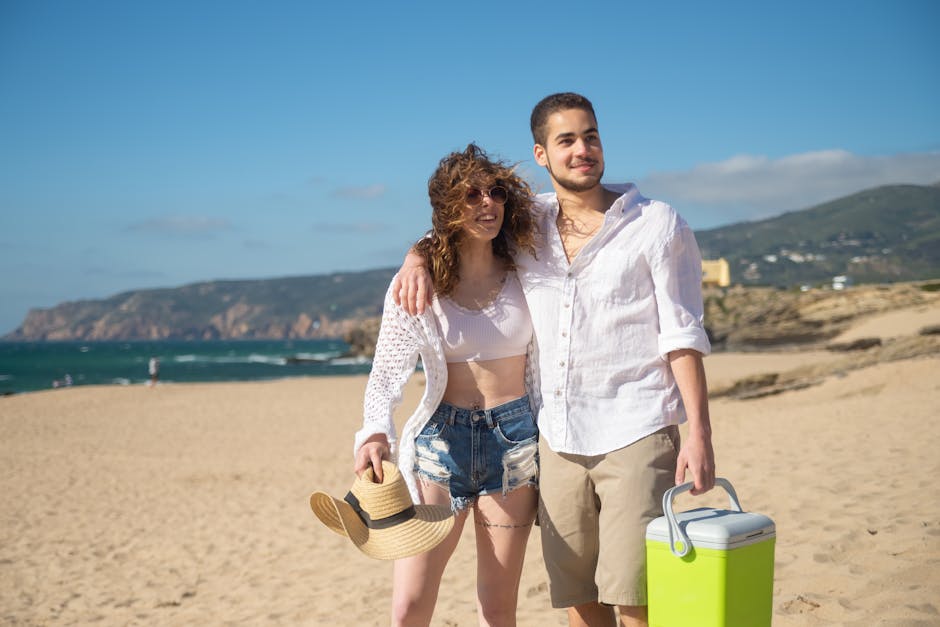
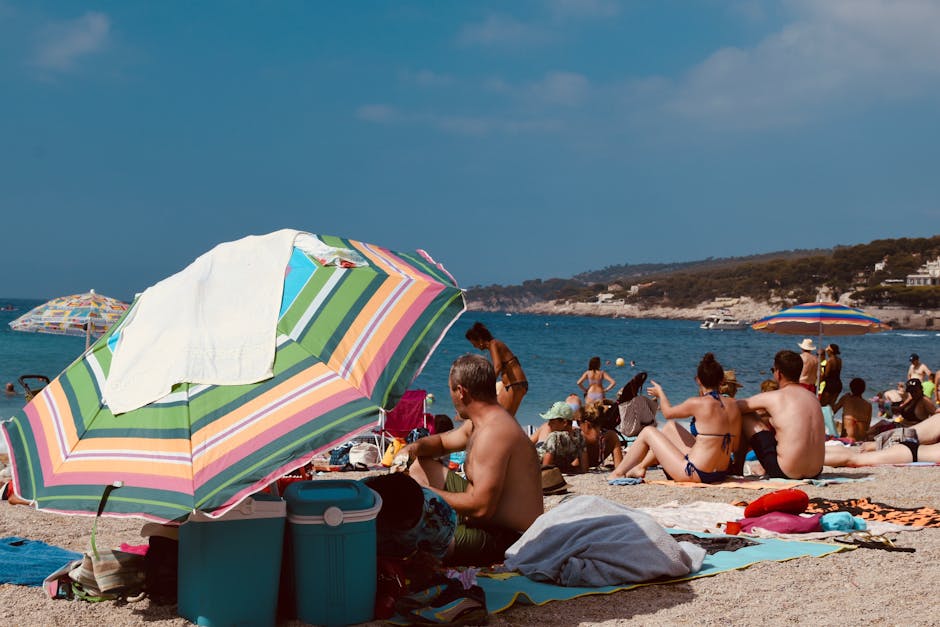
Comfort on the beach is as much about gear as logistics. A good spot, a well‑anchored parasol, a cooler to keep drinks and food cold, the right towel and a low chair can transform your day. In Provence the sun is strongest between 11:00 and 16:00, so plan your activities and breaks accordingly.
Parasols and rentals: if you’re travelling light, many vendors rent parasols, sunbeds and paddleboards. Examples:
- Les Pradots beach rental — Plage du Prado, Boulevard Michelet, 13008 Marseille. Indicative prices: parasol + 2 sunbeds €20–30 per day.
- Base Nautique Cassis Location, Quai des Baux, 13260 Cassis. SUP rental €20–30 / hour, kayak €25–40 / hour.
Picnic and provisioning: choose fresh, easy-to-store and easy-to-eat foods. Ideas: composed salads in airtight containers, fruit (watermelon, grapes, apricots), hearty sandwiches with artisanal bread, local tomatoes and Provençal goat cheese. Places to stock up near beaches:
- Marché Forville, Place du Marché, 06400 Cannes (example of a Provençal market), open 06:00–13:00 depending on season.
- In Cassis, Boulangerie Pâtisserie Girard, 3 Rue Victor Hugo, 13260 Cassis, offers sandwiches and pastries (indicative prices: baguette €1.10, sandwich €5–8).
Hydration and cooling: bring at least 1.5–2 L of water per person for a half day, more if you hike to a calanque. Drinks on the beach are usually pricier: expect €2.50–4.00 for a 50 cl bottle at a kiosk. Consider ice packs or small freezer gel packs for the cooler. For thermal comfort, a microfiber towel (light and quick-drying) and a lightweight cover-up can protect from the sun and help keep skin cool.
Local tips: sit on the east side to enjoy the morning sun and benefit from natural shade later in the afternoon, especially when the mistral blows from the north. On pebble beaches (like some Calanques coves) bring thick mats or inflatable mattresses — they’re far more comfortable and protect you from stones and hot rocks.
4) Activities, Environmental Respect and Local Rules
Provence offers a wide range of coastal activities: swimming, paddleboarding, kayaking, hiking to the Calanques, diving and boat trips. Each activity carries rules and sometimes fees. Respecting protected zones and lifeguard hours is essential for safety and for preserving these unique places.
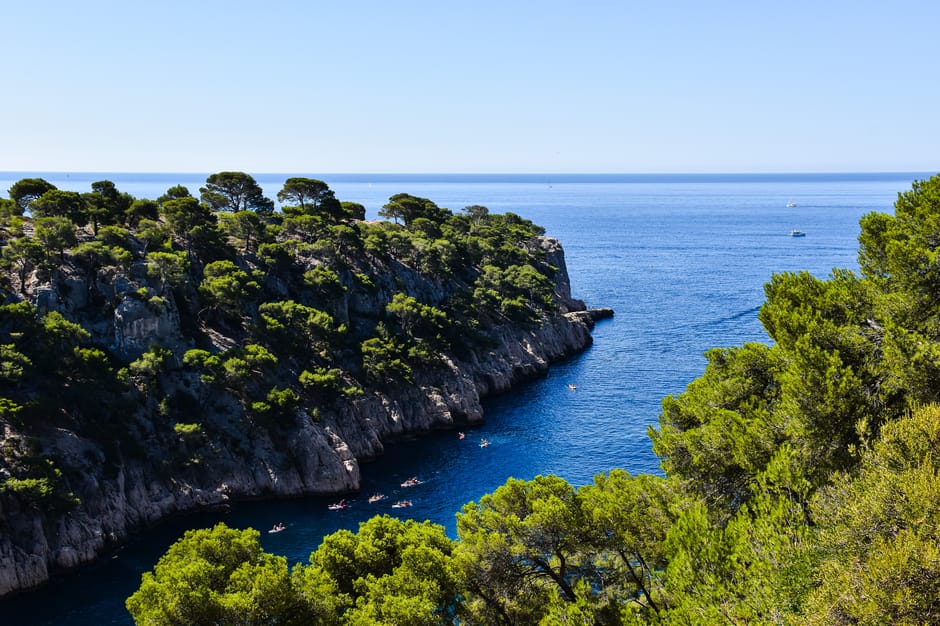
Calanques and protected areas: the Parc national des Calanques (between Marseille, Cassis and La Ciotat) enforces strict rules: no parking outside authorised areas, no fires, and sometimes bans on swimming or landing to protect posidonia meadows and wildlife. Before hiking to Calanque d’En‑Vau or Port‑Pin, check the official Park site (parc‑national‑des‑calanques.fr) for seasonal restrictions.
Boat rentals and licensing: if you rent a motorboat without a licence, check the permitted engine power. Many rental companies require ID, a deposit and charge by the hour or day. Examples:
- Blue Boat Rental Cassis, Port de Cassis, 13260 Cassis — semi‑rigid rentals without a licence €90–150 / hour depending on model (indicative prices).
- Azur Nautic, Plage de l’Estagnol, 83350 Bormes‑les‑Mimosas — kayaks €20–35 / hour, full‑day boat with skipper €300–600 depending on size.
Diving and snorkeling: dive sites around Marseille and Cassis are famous. Dive centres offer introductory courses, outings and training. Example:
- Centre de Plongée Les Calanques, Port de Cassis, 13260 Cassis — first dive baptism €60–80, guided dives €40–70.
Ecological respect: take your rubbish with you (plastic bags, cigarette butts), don’t damage posidonia (a protected seagrass), avoid feeding wildlife and remove your sandals before entering the water to avoid tearing up seagrass beds. If you spot pollution or sargassum accumulation, report it to the lifeguard post or the town hall. Fines for fires and wild camping in protected zones can be steep (several hundred euros).
5) Managing Kids, Pets and Emergency Situations
Traveling with family changes the equation: you’ll need suitable setups, extra supervision and specific water and sun rules. Here’s a checklist and practical advice to keep everyone safe and comfortable.
Children: pick a supervised beach and set up close to the lifeguard post. Outfit kids with CE‑approved flotation devices, UPF 50+ swim shirts, a hat and water shoes. For babies, avoid the hottest hours (11:00–16:00) and favour mornings or late afternoons. Pack low‑salt snacks, baby‑safe sunscreen (SPF 50+), a thermos with warm water if needed, and a lightweight UV tent for naps. Example purchase prices: child UV shirt €20–35, flotation vest €15–30 depending on size.
Pets: rules vary by beach. Many public beaches ban dogs in high season (July–August) or restrict them to certain hours/sections. Example: some beaches on the Giens peninsula allow dogs off-season but not in July/August. Check municipal bylaws. Bring water and a collapsible bowl, a sturdy leash, and pick up after your pet to avoid fines (often around €68 for not cleaning up — indicative amounts vary by commune).
Emergency situations: in case of a swimming accident, call emergency services immediately (15 or 112). If a child goes missing, alert the lifeguard post and give age, clothing and approximate location. For jellyfish stings: remove the victim from the water, rinse with seawater (never fresh water) and apply a neutralising product advised by the lifeguard post; many posts keep vinegar or similar solutions for certain species (follow local instructions).
Insurance and useful numbers: check that your travel or home insurance covers bodily accidents and repatriation if needed. Have photocopies of documents, health cards and local emergency numbers in a waterproof compartment. Local numbers to know: Firefighters (SDIS) by department — for example SDIS 13 (Bouches‑du‑Rhône); check before you leave.
Printable Final Checklist
- Swimsuit, microfiber towel, parasol or UV tent
- Sunscreen SPF 30–50+, hat, sunglasses
- 1.5–2 L water per person + cooler
- First‑aid kit + charged phone + power bank
- Floatation devices / life jackets for kids, water shoes
- Parking tickets / boat reservation / bank card
- Trash bags, waterproof pouches for documents
Conclusion: Enjoy with Peace of Mind and Respect for Provence
Preparing for a beach day in Provence blends pleasure with responsibility. By planning ahead, bringing the right gear, and respecting rules and the environment, you give yourself the best chance of having a memorable, safe and comfortable day. Provençal beaches offer a range of experiences — from Marseille’s urban Prado to the wild coves of the Calanques and the long sandy stretches of the Var — but each demands a little attention: know lifeguard hours (often 9:30–18:30 in high season), locate lifesaving posts, learn the flag system, and plan logistics (paid parking, equipment rental, provisioning points).
The advice in this guide is pragmatic: avoid the hottest hours, stay hydrated, protect yourself from the sun, respect protected areas and be ready for emergencies. The addresses, prices and schedules mentioned (Plage du Prado, Boulevard Michelet, 13008 Marseille; Plage de l’Estagnol, Route de la Plage, 83350 Bormes‑les‑Mimosas; Port de Cassis, 13260 Cassis) are concrete reference points. Before any outing, check online or call for up‑to‑date local info (lifeguard posts, parking fees, boat reservations), since these details change with the season and municipal orders.
Finally, adopt the local attitude: respectful, cautious and relaxed. Take your rubbish home, protect posidonia and avoid fires. Locals and lifeguards appreciate visitors who take care of the coastline. With good preparation — the final checklist, tips for kids and pets, safety gear and local addresses — you can fully enjoy Provence’s beauty. Whether it’s a refreshing swim, a kayak ride between cliffs or a nap to the sound of waves, go with peace of mind and bring back vivid memories.