





Introduction — Understanding Length of Stay and Extensions to Stay Legally in Provence
Coming to Provence for a few weeks, several months, or to settle down takes more than packing a suitcase and booking accommodation. The Provence-Alpes-Côte d’Azur region, home to iconic places like Marseille, Aix-en-Provence, Avignon, the Luberon and the Calanques, draws travelers, students, seasonal workers and expats. Each group faces different administrative requirements: tourist visas, long-stay visas, residence permits, renewals, OFII validation, and local prefecture procedures. This practical guide, written for non-specialists, explains plainly how long you can legally stay in France while based in Provence, how to extend your stay, where to go for formalities, typical costs and local tips to make the process smoother.
Length of stay depends first and foremost on your nationality and the type of visa: citizens of the European Union and the European Economic Area enjoy freedom of movement; third-country nationals can enter on a short-stay Schengen visa (90 days maximum within any 180-day period), or on a long-stay visa (more than 90 days) which often leads to a residence permit. For stays over three months, the usual first step is the prefecture of your department of residence (Bouches-du-Rhône, Vaucluse, Alpes-de-Haute-Provence, Var, Alpes-Maritimes) or the relevant sub-prefecture. Procedures have been digitized: online appointment booking, forms to complete, supporting documents (passport, employment contract, certificate of accommodation, health insurance, proof of funds).
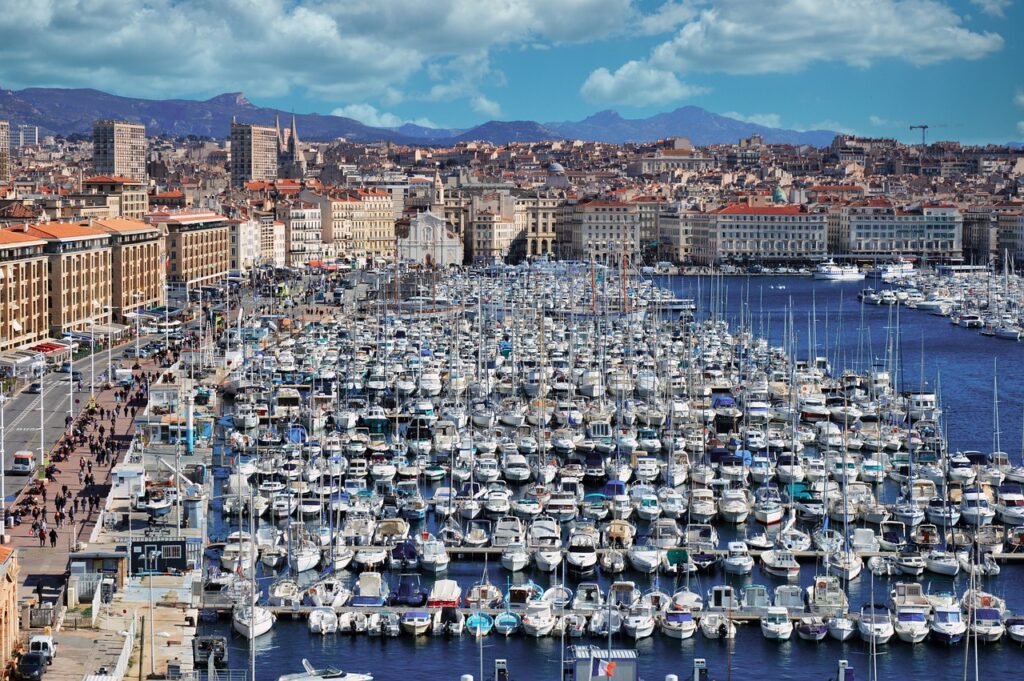
In practice, many visitors try to mix bureaucracy with sightseeing: browsing the markets at Place Richelme in Aix-en-Provence, strolling the Old Port of Marseille or exploring the lavender fields of the Plateau de Valensole while arranging a prefecture appointment. This guide provides full addresses (prefectures, public offices, OFII desks), typical opening hours, indicative costs in euros and local tips so your stay is not only legal but calm and enjoyably Provençal. We’ll go on to detail extension and renewal procedures, processing times, possible appeals and practical tips — like the best time to book an appointment, how to prepare a strong file, where to find a sworn translator or a lawyer specialized in immigration law, and what options you have if you need a temporary extension for medical, family or professional reasons.
1) Entering and Staying: Basic Rules (90 days, visas and validations)
For most non-European visitors, tourist stays are limited to 90 days within any 180-day period — the Schengen rule. That means in Provence as elsewhere in France you can stay a total of 90 days, then must leave the Schengen area for at least 90 days before returning. If you arrive on a tourist visa to France, check the validity dates shown on your sticker or entry stamp and keep all travel documents. Border checks may require proof of a return ticket, accommodation bookings and sufficient funds.
If you plan to stay more than 90 days, the standard route is a long-stay visa (visa D) obtained from the French consulate in your country of residence before you travel. A long-stay visa often serves as a temporary residence permit: once in France you will usually need to validate it with the French Office for Immigration and Integration (OFII) — current fees around €58 (subject to change) — and sometimes book an appointment at the prefecture within two months of arrival. Example for someone arriving in Marseille: OFII regional office PACA, 18 Boulevard Chave, 13005 Marseille (indicative hours: Monday to Friday 09:00–12:00, 14:00–16:00; book online at ofii.fr). These addresses and hours can change; always check online before you go.

2) Renewing a Residence Permit and Temporary Extensions
If you already hold a residence permit (temporary residence card, multi-year card, private and family life, worker, student, etc.), you’ll need to plan ahead for renewal: applications are generally made at the prefecture for the department where you live. In Provence, the main prefectures are: Préfecture des Bouches-du-Rhône (Marseille), Préfecture de Vaucluse (Avignon) and Préfecture du Var (Toulon). Modern procedures usually require a complete file including the completed Cerfa form, birth certificate (translated if necessary), proof of residence less than three months old (rent receipt or utility bill), proof of income (pay slips, employment contract, bank statements), health insurance and passport-style photos that meet standards.
Fees: fiscal stamps for renewals vary; for example, a temporary residence card may require a fiscal stamp of around €200 if applicable, while some renewals are exempt. Issuing a récépissé (a receipt document that certifies your legal status while your file is processed) is free but you must keep it safe. Processing times: prefectures can take 1 to 3 months, sometimes longer, to process a file. Local tip: book an early morning appointment and bring a printed copy and a backup folder (a binder); counter officers appreciate an organized file and it reduces back-and-forth trips. If processing is slow, request a récépissé so you remain legally covered.
3) Special Cases: Students, Seasonal Workers, Posted Workers and Appeals
International students in Provence (Aix-Marseille University, Avignon University campus) benefit from a specific regime: a “student” residence permit valid for one year and renewable. Documents typically required: university acceptance letter, proof of housing, enrollment certificate, proof of funds (about €615 per month minimum or evidence of a scholarship), and health insurance. Cost: usually a fiscal stamp of €50 to €100 depending on the permit type. Student support desks in Aix-en-Provence: International Relations Service, Aix-Marseille University, 3 Place Victor Hugo, 13100 Aix-en-Provence (indicative hours 09:00–17:00, closed weekends).
Seasonal workers (agriculture, hospitality) must show a seasonal employment contract. Short-term contracts are common in Provence during the high season (summer). Employers often help obtain temporary work authorizations or seasonal residence permits. The cost of certain administrative steps may fall on the employee or the employer depending on the case. For posted workers or intra-company transfers, declaration to URSSAF and sometimes use of the online procedures portal are required.
Appeals in case of refusal: you have administrative remedies (urgent applications, informal requests or formal appeals before the administrative court). Finding a lawyer specialized in immigration law can cost between €100 and €200 per hour in Provence; several local migrant assistance organizations offer free or low-cost consultations (e.g., Cimade, locations vary). Local tip: contact university legal clinics or migrant support associations in Marseille and Avignon for an initial free assessment.

Conclusion — Practical Tips for a Legal, Calm and Provençal Stay
To sum up: plan ahead. Whether you’re thinking of a short tourist stay of 90 days, a long-stay visa, or a permanent move to Provence, the key is preparing your file, knowing local addresses and opening hours (prefectures, OFII, universities, help desks), and accounting for administrative delays. Don’t wait until your visa expires to apply for renewal: book appointments several months in advance if possible. Always keep copies and originals of your documents, print several sets and store them in a well-organized binder. Use online services to book appointments and track progress — most prefectures and OFII offer dedicated portals and helplines.
Local practical advice: avoid the busiest tourist months (July–August) for administrative tasks if you can; choose an appointment in the off-season (autumn or spring) when offices are less crowded. Take advantage of local perks to reduce stress: a break at the Old Port of Marseille (Quai du Port, 13002 Marseille) after a long appointment, a coffee on the Cours Mirabeau in Aix-en-Provence (Cours Mirabeau, 13100 Aix-en-Provence) or a stroll through the Jardin des Doms in Avignon (Rue du Portail Boquier, 84000 Avignon) will recharge your batteries. Finally, if in doubt about legal matters, consult a lawyer or a competent association before starting any procedure; in Provence there are local actors ready to help.
Staying legally in Provence is entirely possible with solid preparation: respect the rules, anticipate delays, use local resources and enjoy the region’s cultural and natural riches with peace of mind.