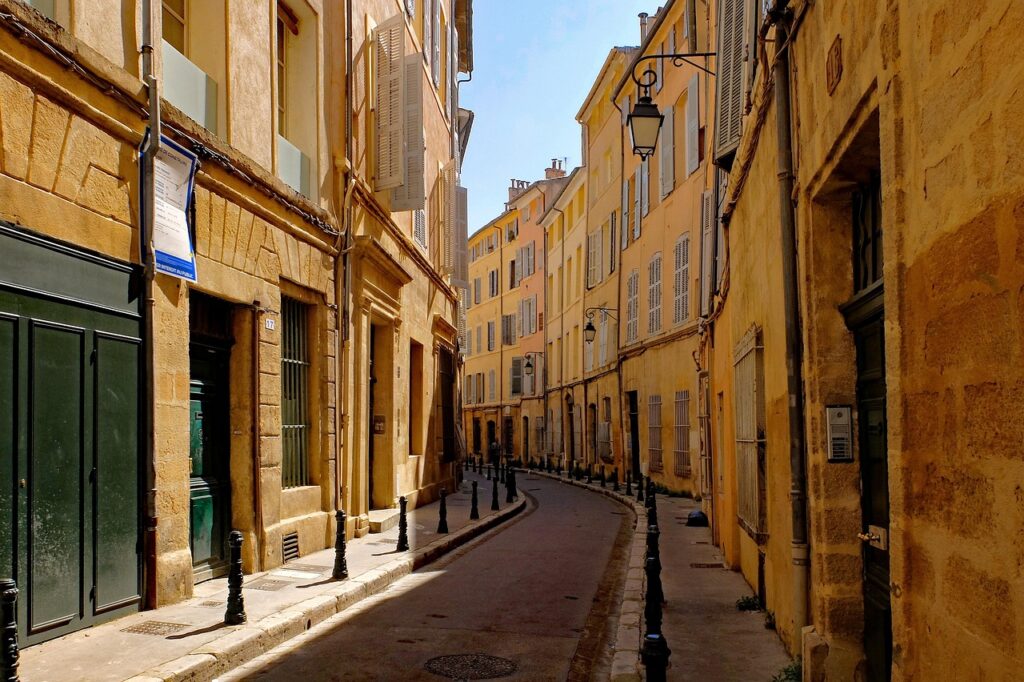






Introduction: The Alpilles — where wild ridges meet hewn quarries
In the heart of Provence, the Alpilles stretch out their white limestone crests, ancient olive groves and stone villages that look as if they’ve been painted into the landscape. Between the Rhône plain and the Durance valley, these low hills — not as tall as the High Alps but no less characterful — have shaped human activity, stories and legends since antiquity. Human hands created the quarries of Les Baux: tunnels and faces where rock was removed to build towns, and which today provide vast screens for immersive contemporary spectacles.
This practical guide takes you on a journey through both the history and the myths of the Alpilles: how this range shaped settlement patterns, which legendary figures are said to haunt it, and why the Carrières de Lumières at Les Baux-de-Provence are a must-see. You’ll find full addresses, opening hours, entry prices and hands-on tips to enjoy the sites without losing their soul. The Alpilles are more than a single viewpoint: they’re an olive garden, a maze of medieval lanes, a Roman plateau and chalk cliffs whose quarries tell the industrial and artistic story of the region.
Visiting Les Baux-de-Provence, Glanum, Saint-Rémy-de-Provence and villages such as Maussane-les-Alpilles or Eygalières means crossing centuries of history: Roman remains, medieval fortifications, stone-extraction quarries and contemporary cultural installations. Legends abound: the Château des Baux, perched on its spur, has seen lords, brigands and poets pass through; whispers persist of hidden treasures and nocturnal apparitions. At the same time, archaeology uncovers forgotten towns and ancient rituals, notably at Glanum.
This text favors immersive, professional writing: precise site descriptions, practical opening hours, up-to-date prices and exact addresses so you can plan your route. It also includes local tips — best times to visit, recommended walks and seasonal precautions — so your Alpilles visit is both rewarding and easygoing. Finally, to spark your visual imagination, photographic markers are provided as 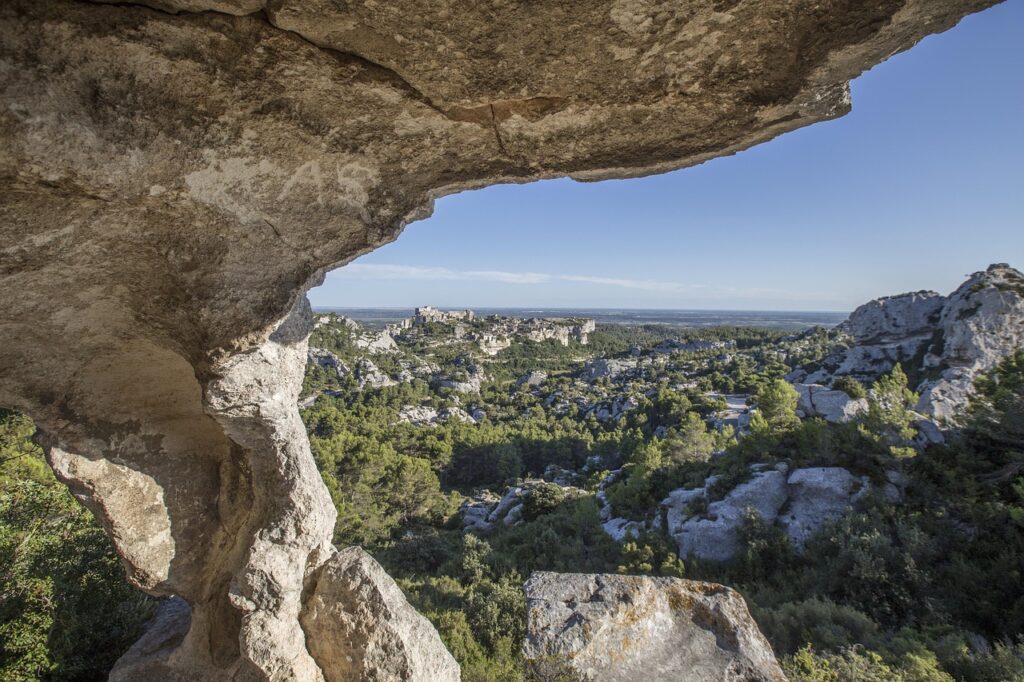 prompts to help you picture the must-see sites before you go.
Geological and human history of the Alpilles range
The Alpilles are first and foremost a story of rock. This folded limestone massif was formed millions of years ago through uplifts and folds that created the white ridges and steep combes. That geology shaped the local economy: quarries supplied the ashlar stone used to build bridges, churches and houses across the area. Limestone is easy to carve, which also enabled sculptures and monumental blocks.
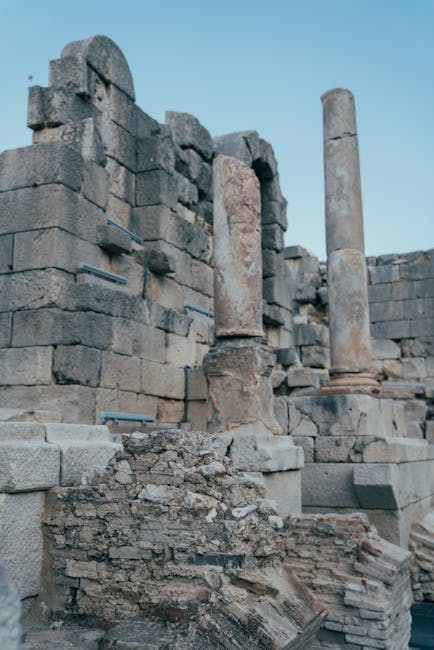
On the human side, occupation goes back to Prehistory: there are habitation sites and traces of pastoral activity. Greek and Roman antiquity left a deep mark, with trading settlements and rural villas. The most spectacular example is Glanum, the Gallo-Roman town excavated near Saint-Rémy-de-Provence: it shows the romanization of Provence with baths, shops and the remarkable Mausoleum of the Antiques.
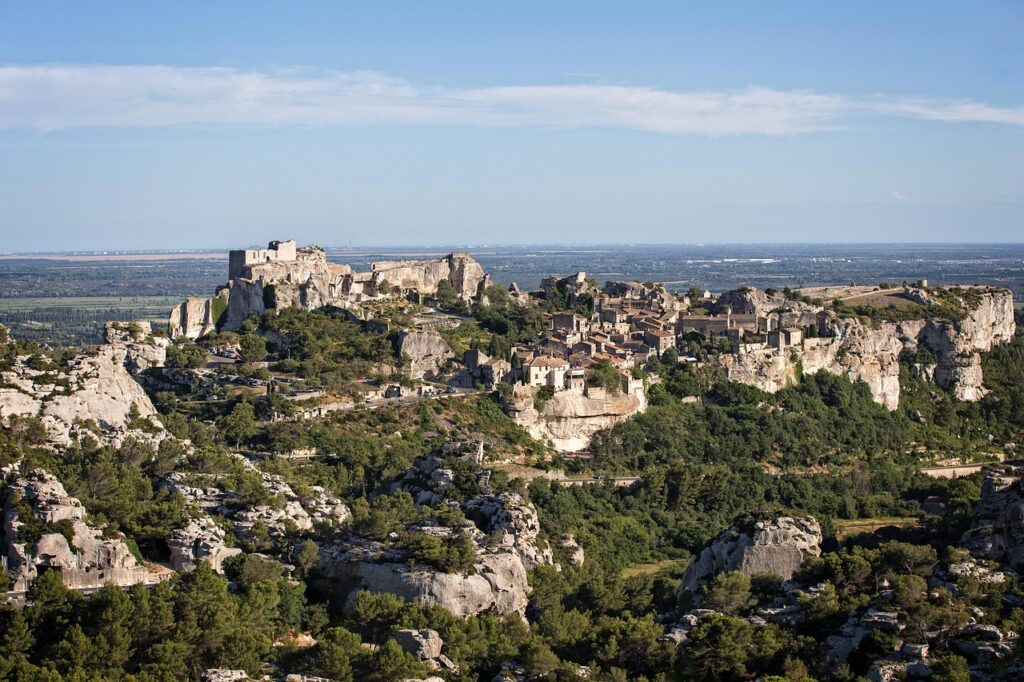
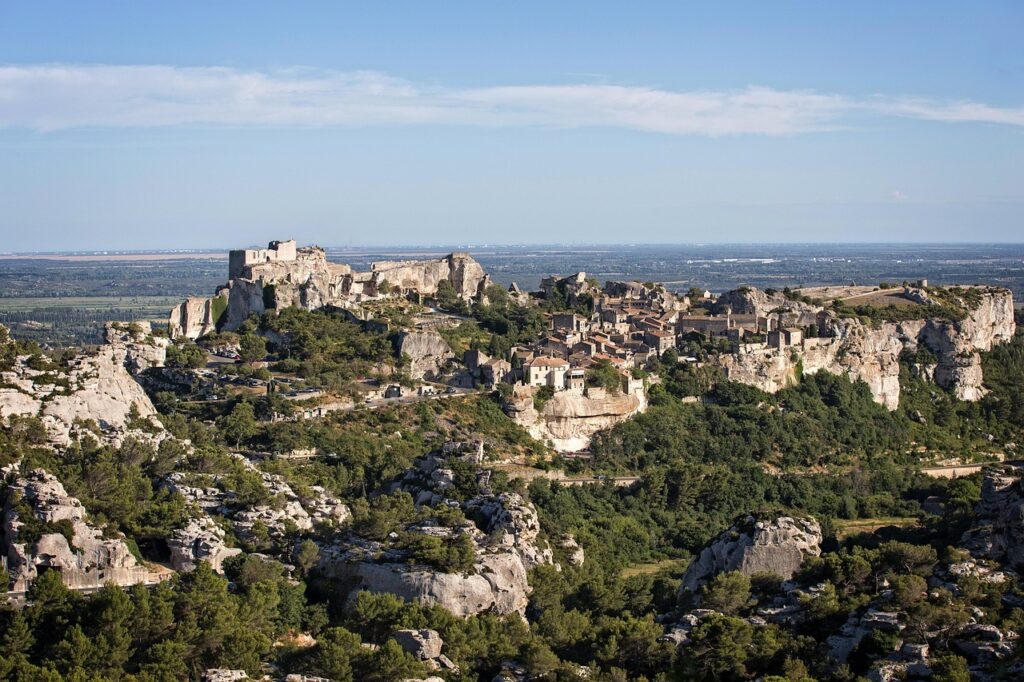
The Middle Ages reshaped the landscape again: fortifications, castles and hilltop villages sprang up. The lords of Baux consolidated their power around the rock of Les Baux, controlling roads and resources. The Château des Baux, now a restored medieval monument, offers a historical panorama of those local struggles. Quarrying grew during the 19th and 20th centuries, feeding construction and industry. Some extracted zones became storage or were abandoned, until a modern cultural reinvention took hold.
Today heritage conservation and tourism development run alongside environmental protection. The Alpilles Regional Natural Park was created to preserve biodiversity, landscapes and traditional agricultural activities (notably olive cultivation) and regulates interventions. Walking through the Alpilles therefore means reading historical layers: humanworked soils, ancient remains, mule tracks and viewpoints where the eye takes in both the plain and the rocky range.
Les Baux-de-Provence and its quarries: from craft to art
Les Baux-de-Provence (13520 Les Baux-de-Provence) is often the first image that comes to mind when people think of the Alpilles: a perched medieval village, limestone lanes and the silhouette of a castle on a rocky spur. Central address: Château des Baux, Route de l’Alpille, 13520 Les Baux-de-Provence. The Château des Baux (fortifications) is generally open from 10:00 to 18:00 (hours may vary with the season). Indicative price: around €10.50 for adults; reduced rates and free entry for under-10s (check on site or online for current prices).
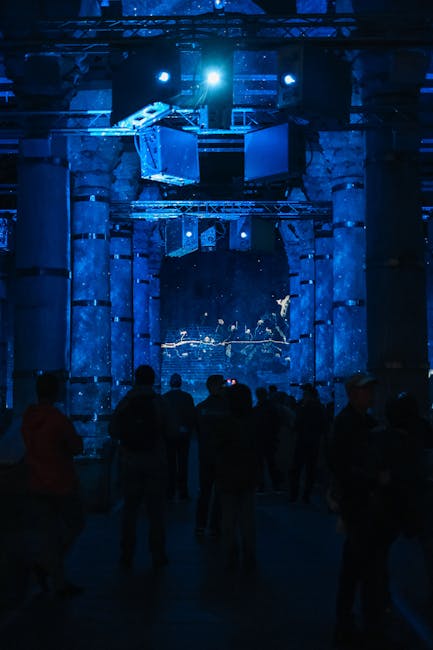
Just a short walk away, the Carrières de Lumières transform the former extraction site into a digital art space. Address: Carrières de Lumières, Route des Baux, 13520 Les Baux-de-Provence. Typical opening hours: 10:00–18:00 (evening shows may run depending on programming). Indicative prices: adults €14.00–€15.00; reduced €10.00–€12.00; night shows or special events can cost more. The Carrières offer giant visual immersions: 360° projections across natural rock faces, music and scenography that revisit Van Gogh, Klimt, Dalí and historical themes. It’s a sensory experience: the rock seems to vibrate under the light as images wrap around stalactites and rugged contours.
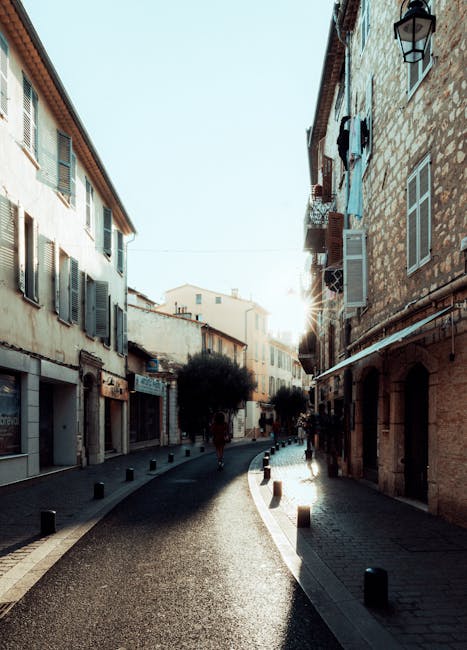
Visiting Les Baux also means wandering the lanes (Place Saint-Vincent, 13520 Les Baux-de-Provence), discovering artisan workshops and small galleries. Practical tips: arrive early to beat the crowds (especially July–August), wear sturdy shoes for cobbles and steep paths, and bring water in summer — shade on the rock is scarce. Official parking around the village (Parking du Château, Route des Baux) is paid in season; favor public lots and shuttle services if available.
Nearby sites: Saint-Rémy-de-Provence, Glanum and soul-filled villages
A few kilometres from Les Baux, Saint-Rémy-de-Provence (13210 Saint-Rémy-de-Provence) is a cultural hub not to be missed. Musée Estrine, 14 Rue Carnot, 13210 Saint-Rémy-de-Provence, is dedicated to regional artists and hosts rotating collections; hours: 10:00–13:00 and 14:00–18:00 (may close certain days — check ahead); approximate price: €6–€8 per adult. The town is also famous for its links to Van Gogh: the Saint-Paul asylum where he stayed can be seen from the outside, and the surrounding landscapes inspired several of his paintings.
Glanum, the Roman and Celtic-Ligurian archaeological site near Saint-Rémy, deserves a historical stop. Indicative address: Glanum Archaeological Site, Avenue du Glanum, 13210 Saint-Rémy-de-Provence. Hours: 9:30–18:00 depending on season; adult price around €6–€8. On site, the Mausoleum of the Antiques, the arch and urban remains reveal a structured town with baths and streets. The contrast between time-polished ancient stone and the Alpilles’ rugged relief gives the visit a special resonance.
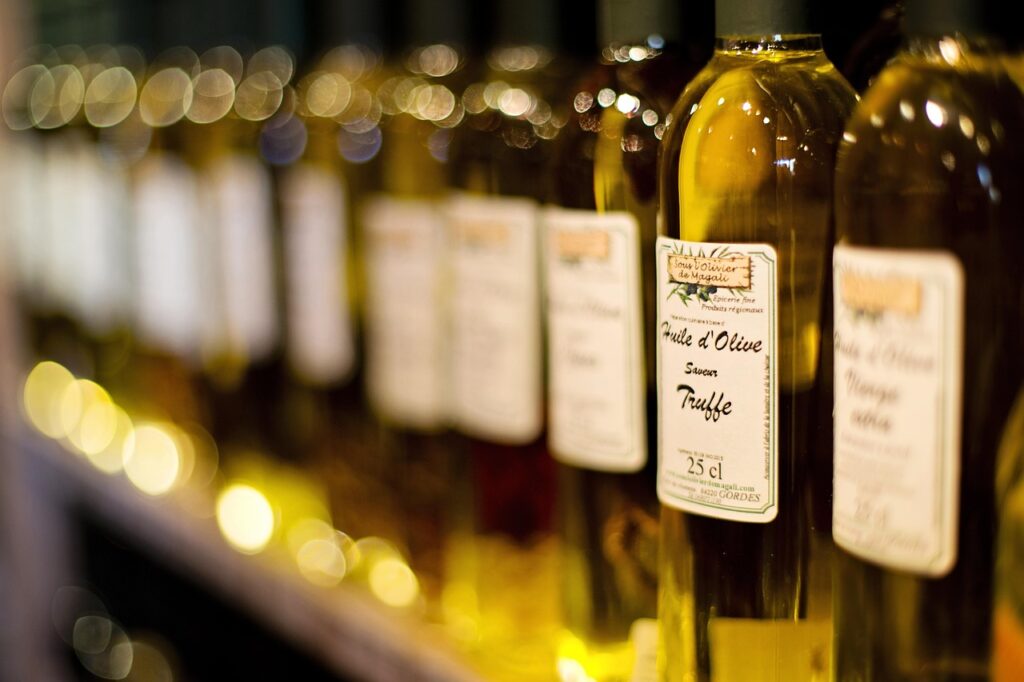
More broadly, explore Maussane-les-Alpilles (Place de la Mairie, 13520 Maussane-les-Alpilles) for AOC olive oil and mills, or Eygalières (Place du Jeu de Paume, 13810 Eygalières) for its views and hiking trails. Local tips: taste the local olive oil at the Maison de l’Olivier (for example Moulin Castelas, 15 Route de la Vigne, 13520 Maussane-les-Alpilles; opening times and tastings vary, often free or €3–€5 depending on the tasting), book guided visits in summer and favor morning hikes to avoid the heat. For restaurants, choose shaded terraces and check opening times outside high season.
Practical tips and legends you shouldn’t miss
The Alpilles are full of stories: the family of Baux is said to have origins linked to a comet (their coat of arms features a star), people tell of hidden treasures in the massif’s cavities and on some full-moon nights paths take on an ancient feel. Local guides love to recount skirmishes, the spirit of shepherds and tales of witchcraft tied into Protestant and Catholic histories of the villages. These legends are keys to feeling the soul of the place, but remember to check historical facts with tourist offices.
Practical info: the Intercommunal Alpilles Tourist Office (Office de Tourisme des Baux-de-Provence et Saint-Rémy) has welcome points in Les Baux-de-Provence and Saint-Rémy. Hours vary, often 9:30–12:30 and 14:00–17:30 outside high season; brochures are free, excursions are paid. Transport: a car remains the easiest way to explore freely; local buses and shuttles exist but are more limited outside summer. Park in designated lots and favor walking to explore villages and trails.
Health and safety: in summer carry water, a hat and sunscreen; in winter watch for muddy paths and wind. Respect signage in quarries and archaeological sites: some areas are closed to the public. For photographers, sunrise and sunset provide exceptional light on cliffs and olive groves — bring a tripod if you plan long exposures in the Carrières or at the top of the Château.
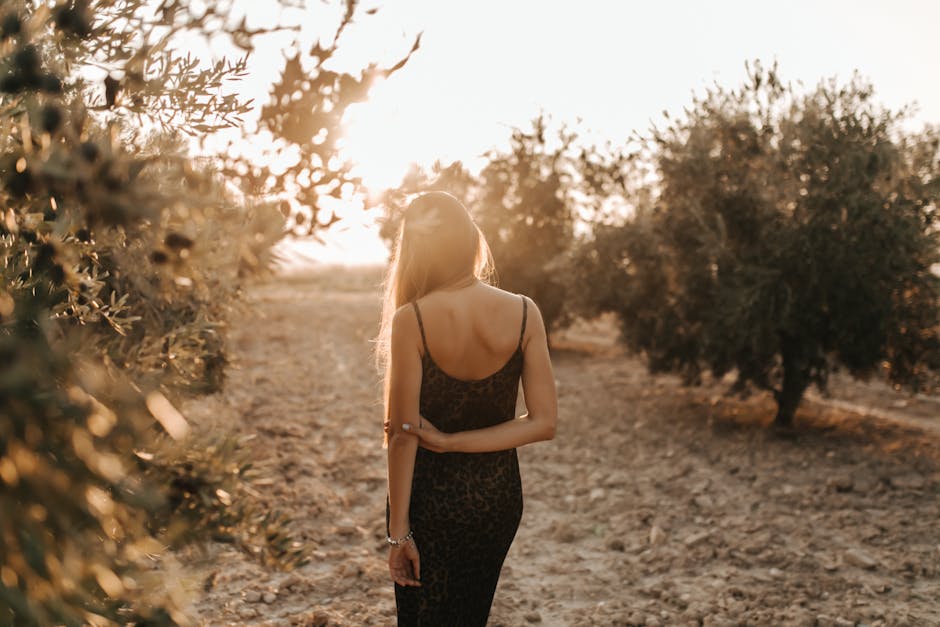
Recommended local spots
- La Table d’Uzès (opening times vary by season) – reservations recommended for dinner.
- Moulin Castelas, olive mill, 15 Route de la Vigne, 13520 Maussane-les-Alpilles – olive oil tastings, hours 09:00–12:00 / 14:00–17:30, tastings free or €3–€5.
- Official Les Baux car park: Parking du Château, Route des Baux, 13520 Les Baux-de-Provence – seasonal fees vary (approx. €2–€8 per day).
Conclusion: memory and sensation — why you should visit the Alpilles
Visiting the Alpilles means moving through visible time layers: geology, ancient remains, medieval fortifications, industrial quarries and contemporary art events. It’s also a multisensory experience — white stone that reflects the light, the scent of garrigue, the murmur of olive trees and the vibration of projections in the Carrières de Lumières. For history lovers, Glanum and the Château des Baux provide concrete, educational readings of past episodes. For travelers seeking emotion, village walks, sunset panoramas and immersive shows promise lasting memories.
Plan your route around the hours and seasons mentioned: favor spring and autumn for mild temperatures and manageable crowds. Book popular entries (Carrières de Lumières, Château des Baux) in high season and check ahead for temporary exhibitions and current prices. Finally, let local legends carry you: they add a sensitive depth to the stone and landscape, making every lane and track feel more alive.
Whether you’re a hiker, archaeology enthusiast, contemporary art fan or simply curious, the Alpilles invite you to a rich, nuanced discovery. Bring comfortable shoes, a camera and an open curiosity ready to listen to the stories whispered by the cliffs. The addresses and hours given are practical reference points; for a surprise-free visit check official sites and local tourist offices before you go. Enjoy your trip to the Alpilles, where history and legend meet under Provençal light.