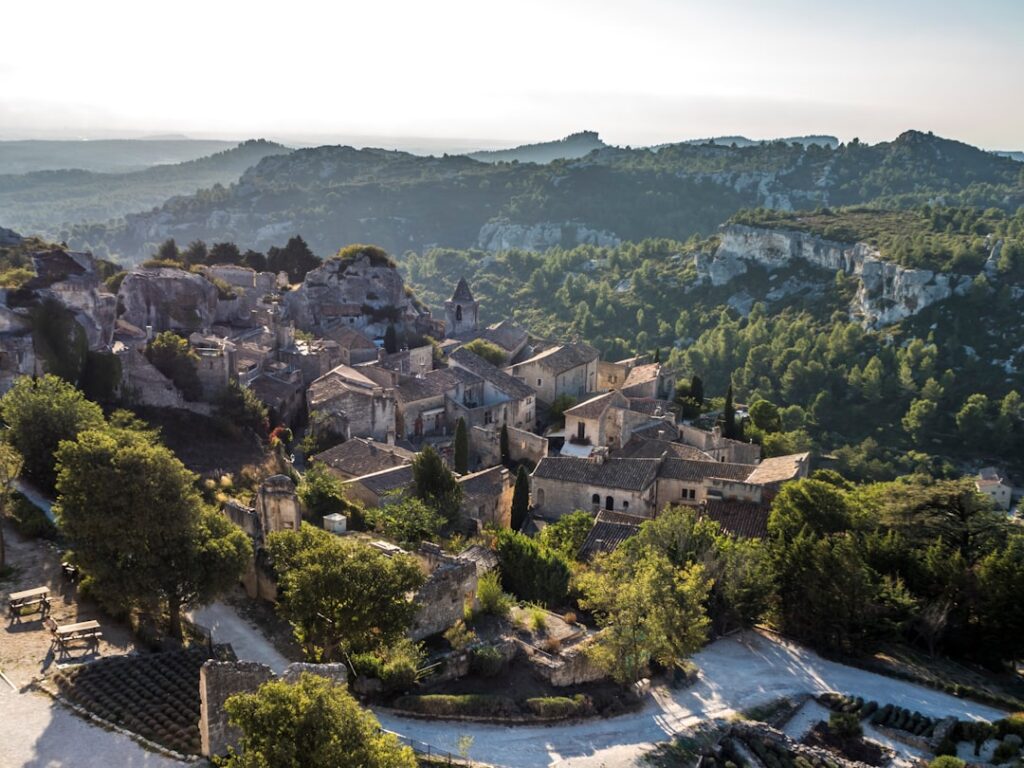






Introduction — Arriving in France from Abroad: Entry Rules Specific to Provence
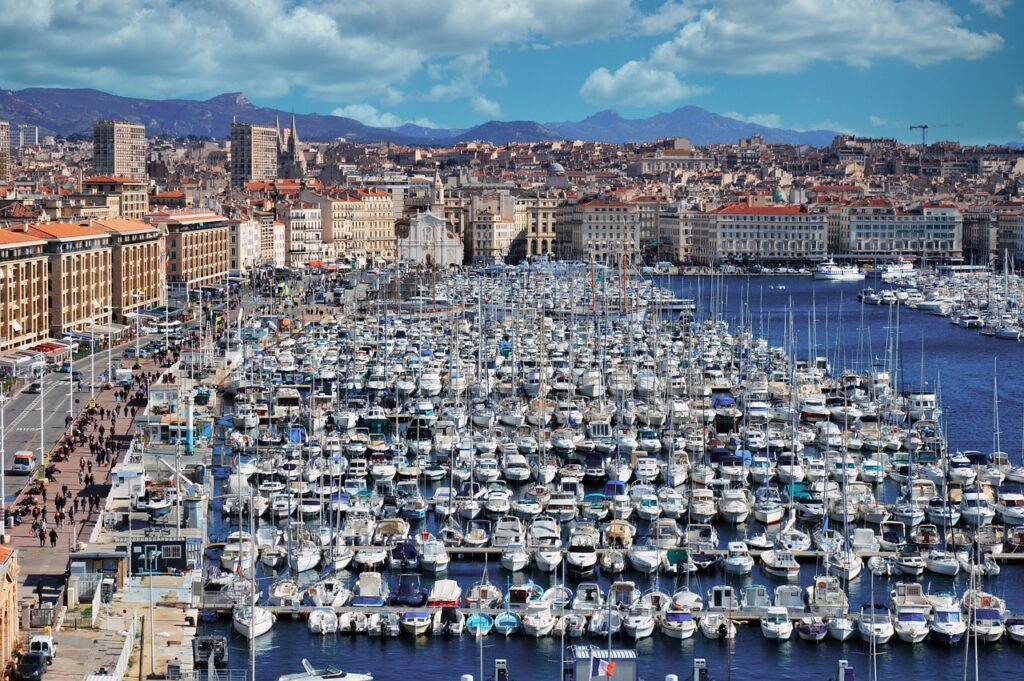
Thinking of coming to Provence from abroad conjures up immediate images: the golden light of Aix-en-Provence, Arles’ ochre lanes, the lavender fields on the Valensole plateau, and the lively port of Marseille. But before you tuck into bouillabaisse at the Old Port or stroll along the Cours Mirabeau, every international traveler needs to know the entry formalities for France — a mix of national rules (Schengen, visas, customs) and local realities (points of entry, regional services in Provence-Alpes-Côte d’Azur, helpful addresses and practices). This guide lays out, for visitors arriving in Provence, the administrative steps, required documents, services available on site, and practical tips to make arrival smoother and avoid unpleasant surprises.
Provence is served by several main entry points: Marseille Provence Airport (Aéroport Marseille Provence, 479 Route de l’Aéroport, 13727 Marignane), the historic Marseille-Saint-Charles train station (22 Boulevard d’Athènes, 13001 Marseille), the Port of Marseille (Port de Marseille-Fos, 4 Quai de la Tourette, 13002 Marseille), as well as regional train stations and ports in Toulon, Avignon and Arles. Each entry point has different control services: border police (PAF), customs, tourist information desks and possible health controls. This guide gives exact addresses, indicative opening hours, typical costs (taxis, transport, visa fees) and hands-on local advice — where to exchange money, how to buy a SIM card on arrival, or where to validate a long-stay visa.
Important: entry rules can change (for example, the phased rollout of ETIAS for visa-exempt visitors), and some practical details (hours, fees) may vary by local administration. The information here is current as of mid-2024 and includes essential local contacts for real-time checks: prefectures, tourist offices, airports and train stations. You’ll also find health and customs recommendations and guidance for traveling with pets, a commonly overlooked but crucial topic for family trips.
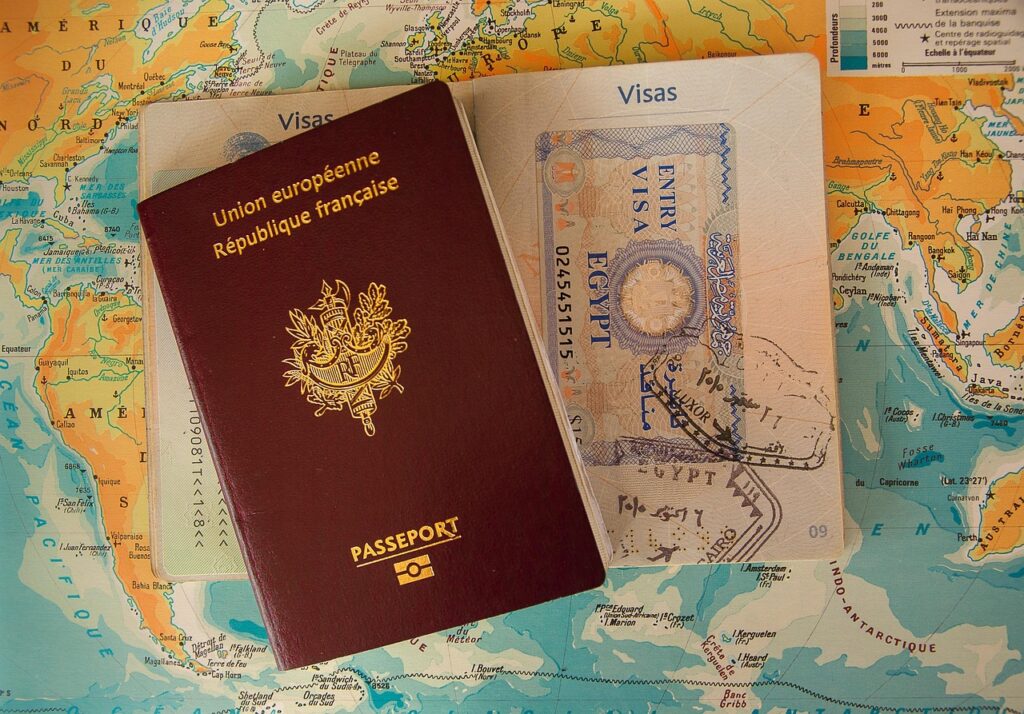
Before You Leave: Visas, Documents, Insurance and Essential Preparations
Before booking your hotel in Aix-en-Provence or renting a car for a road trip from Cassis to the Alpilles, check entry requirements based on your nationality. Citizens of the European Union and the European Economic Area (EEA) can enter freely with a valid national ID card. Other travelers must present a valid passport. A common practical rule: your passport should be valid for at least 3 months beyond your planned departure date from the Schengen area and should have been issued within the last 10 years.
Visas:
- Schengen Visa (short stay, type C): valid for tourist stays up to 90 days within any 180-day period. Typical fees: €80 for an adult (standard 2024 rate), €40 for children aged 6 to 12, free for children under 6. Apply at the embassy or visa application center in your country of residence (examples: France-Visas, TLScontact).
- Long-Stay Visa (type D): for stays longer than 90 days (study, work, family reunification). Fees vary by case; indicative amount: about €99 (check with the consulate). Arrival in France may require OFII (French Office for Immigration and Integration) validation; procedures are often started online then completed at a local office.
- ETIAS: a planned European travel authorization for some visa-exempt nationalities. Depending on activation dates, an ETIAS clearance could be required before traveling. Check the official ETIAS site or France-Visas for updates.
Travel insurance: for a Schengen visa you must have insurance covering at least €30,000 for medical assistance and repatriation. Even if you don’t need a visa, purchasing travel insurance is strongly recommended. Estimated cost: roughly €10 to €60 for a typical tourist stay depending on coverage and age.
Vaccinations and health: there are no routine health entry requirements to enter France (COVID-19 no longer imposes general entry restrictions as of 2024), but check any specific requirements related to your departure country or personal health situation. If you’re covered by European social security, the European Health Insurance Card (EHIC) helps with access to healthcare. Otherwise, keep proof of private insurance handy.
Practical preparations:
- Paper and digital copies of your documents (passport, visa, boarding pass, insurance).
- Pre-book airport transfers from Marseille Provence: official taxi fares to Marseille city center around €35–€45 (allow €45–€60 for late-night transfers or bulky luggage), airport shuttle services (« Navette Aéroport ») typically around €15–€17 depending on destination.
- SIM cards: Orange store at Les Terrasses du Port, 9 Quai du Port, 13002 Marseille (typical hours 10:00–19:00). Prepaid plans from about €10.
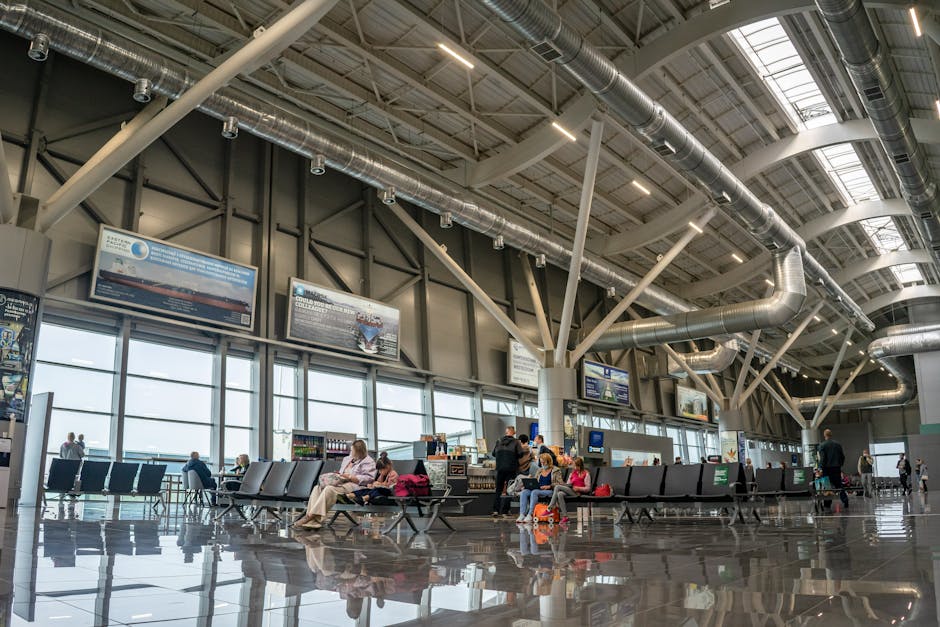
On Arrival in Provence: Airports, Ports and Train Stations — Addresses, Hours and Local Services
Arriving in Provence usually means passing through a handful of major transit hubs. Here’s what to know, place by place, with addresses and practical info.
Marseille Provence Airport
Address: Aéroport Marseille Provence, 479 Route de l’Aéroport, 13727 Marignane.
Hours & services: open 24 hours for international flights; check-in counters follow airline schedules. Border checks (Police aux Frontières – PAF) operate continuously on international flights; wait times vary depending on arrival time (busy morning/evening peaks). Shops and restaurants generally open from 05:00 to 22:00 depending on foot traffic. Transfers: taxis from the airport to Marseille center roughly €35–€50 (day/night rates), private shuttles or car rental desks on site (rental companies: Avis, Hertz, Europcar). For live information consult the airport’s official website.
Marseille-Saint-Charles Train Station
Address: Gare de Marseille-Saint-Charles, 22 Boulevard d’Athènes, 13001 Marseille.
Hours & services: main hall open early to late (typically 05:00–00:30). ID checks can occur on international trains (for example, trains from Italy); verify whether a border check is scheduled for your trip. Information desks, left-luggage facilities, ticket machines, shops and cafés are available. For night train arrivals, the prefecture may advise extra caution and planning for onward travel to accommodation.
Port of Marseille-Fos — Passengers and Cruise Ships
Address: Port de Marseille-Fos, 4 Quai de la Tourette, 13002 Marseille (cruise terminals vary by company).
Hours & services: international vessel arrivals require passage through PAF and customs. Controls may take longer during cruise ship disembarkations (allow 30–90 minutes).
Secondary Stations and Ports
Avignon-Centre Station (24 Place de l’Horloge, 84000 Avignon), Arles Station (Avenue Jean Jaurès, 13200 Arles) and Port of Toulon (Quai des Entrepreneurs, 83000 Toulon). These entry points may offer limited services outside normal hours; any border control in place depends on the authorities on duty at the time of arrival.
Practical arrival tips:
- Keep your proof of accommodation (printed or digital) handy — it may be requested at entry.
- Declare any goods subject to customs duty: tobacco, alcohol, valuables. Allowances vary: for example about 200 cigarettes or 1 litre of spirits for travelers arriving from non-EU countries (indicative rules).
- If you’re traveling with a pet, prepare: EU Pet Passport, microchip identification, valid rabies vaccination and sometimes parasite treatment. Veterinary checks may be carried out at entry points if required.
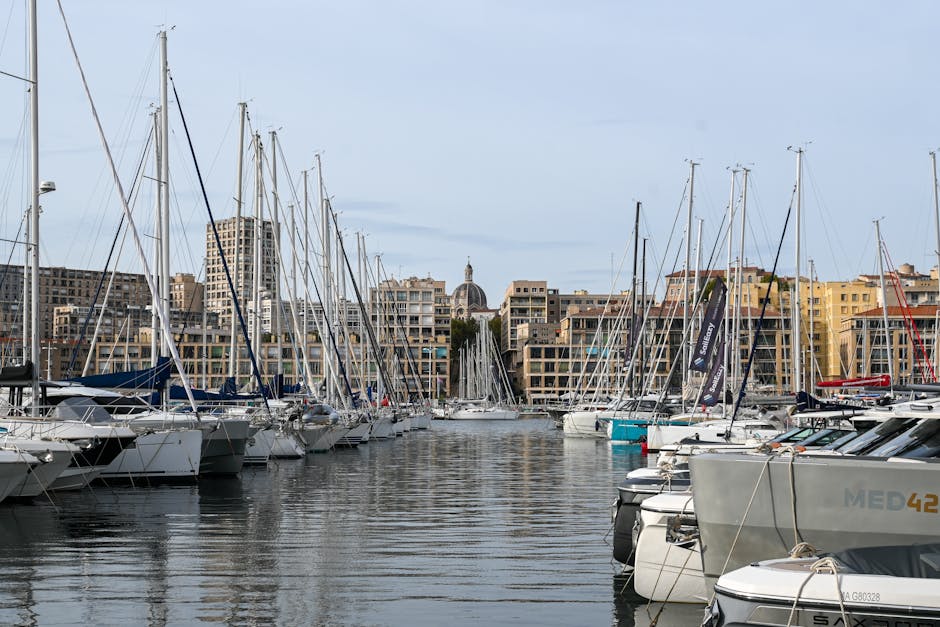
Local Formalities in Provence and Practical Tips to Stay Calm
Once you’ve cleared border controls, Provence comes with its own practical requirements. Here are procedures and best practices with useful addresses and local advice:
Administrative registrations and follow-up
If your stay exceeds 90 days or you need to complete formalities (work, study), visits to the local prefecture are often required. Example: Prefecture of Bouches-du-Rhône — Address: Préfecture des Bouches-du-Rhône, 52 Rue Saint-Ferréol, 13001 Marseille. Typical hours: Monday–Friday 08:30–16:30 (indicative; online appointment booking strongly recommended). Procedures for residence permits, temporary residency cards or OFII attestations are handled via the prefecture or the relevant sub-prefecture. Schedule appointments in advance and bring certified copies of all documents.
Health and pharmacies
For immediate care, the Timone University Hospital (CHU Timone) — Address: CHU Timone, Boulevard Jean Moulin, 13005 Marseille — operates an emergency department 24/7. For more local needs, pharmacies (e.g. Pharmacie du Vieux-Port, 6 Quai du Port, 13002 Marseille) typically open 09:00–19:30, with some on-call pharmacies available overnight. In a medical emergency call 15 (SAMU) or 112 for European emergency services.
Local transport and fares
Marseille’s RTM network offers buses and metro: single ticket about €1.70 (indicative), day tickets €4.50–€6.00 depending on the option. From the airport, the shuttle to Saint-Charles station costs about €9 (indicative). For interprovincial trips (Avignon, Aix-en-Provence, Cassis), TER Sud Provence-Alpes-Côte d’Azur tickets start from roughly €3–€10 depending on distance and how far ahead you book.
Safety tips and local customs
Provence is generally safe for visitors, but basic precautions apply: watch your belongings in tourist areas (Old Port, beaches), avoid large crowds and keep digital copies of important documents. Most local merchants accept card payments; however, bring some cash (€10–€50) for markets and small shops. In low season, some services (car rentals, shops) reduce their opening hours—check ahead of time.
Useful services and contact information
Marseille Tourist Office — Address: Office de Tourisme et des Congrès de Marseille, 9 Rue de la République, 13001 Marseille. Typical hours: 09:30–18:00. The prefecture for administrative procedures: Préfecture des Bouches-du-Rhône, 52 Rue Saint-Ferréol, 13001 Marseille. For the airport: Aéroport Marseille Provence, 479 Route de l’Aéroport, 13727 Marignane – flight, shuttle and 24/7 service information is available on the airport’s official website. These organizations can provide lists of translators, immigration lawyers and other assistance services if you encounter difficulties on arrival.

Conclusion — Preparing Your Arrival in Provence: Summary and Final Recommendations
Arriving in Provence from abroad is something to look forward to, but it requires solid administrative preparation. In short: check your passport (recommended minimum validity: 3 months after your planned departure date), secure the right visa (Schengen type C for short stays, type D for long stays), purchase travel insurance covering at least €30,000 if you need a visa, and prepare supporting documents for your stay (hotel bookings, invitation letters, proof of financial means). Before you travel, consult France-Visas and, if applicable, the official ETIAS site for the latest updates on entry authorizations.
On arrival, favor the best-served entry points: Marseille Provence Airport (Aéroport Marseille Provence, 479 Route de l’Aéroport, 13727 Marignane) for most international flights, Marseille-Saint-Charles Station (22 Boulevard d’Athènes, 13001 Marseille) for European rail links, and the Port of Marseille-Fos cruise terminals (4 Quai de la Tourette, 13002 Marseille) for sea passengers. Keep your documents handy, follow instructions from the border police and customs, and if you have specific formalities (pets, goods, long stays) contact the Prefecture of Bouches-du-Rhône (52 Rue Saint-Ferréol, 13001 Marseille) or the relevant French immigration office ahead of time.
Finally, think about the practical details that will make your stay enjoyable: buy a local SIM (e.g. Orange store at Les Terrasses du Port, 9 Quai du Port, 13002 Marseille), know local rates and services (airport taxi about €35–€50, airport shuttle €9–€17) and take sensible health and safety precautions (CHU Timone, Boulevard Jean Moulin, 13005 Marseille for emergencies). Follow these recommendations, and what could be a heavy administrative landing will instead turn into a smooth gateway to Provence’s fragrant markets, hilltop villages and Mediterranean scenery—well worth the preparation.