





Introduction — Provence Beach Safety: seasonal rules and smart tips
Provence, with its varied coastline along the Mediterranean, draws millions of visitors every year seeking sun, clear water and iconic scenery: the rocky coves of the Calanques, the long sandy beaches of the Côte d’Azur, and the wild shores of the Camargue. But these coastlines come with specific hazards — currents, the mistral wind, summer crowds, unsupervised areas, dangers from rocks and water sports — all of which call for a good understanding of local rules and seasonal best practices. This practical, detailed guide — aimed at families, watersport fans and safety-conscious travelers — outlines the behaviours to adopt, spots that deserve special attention, lifeguard hours and fees, and concrete advice for each type of beach in Provence.
We cover different beach categories: supervised urban beaches like Plage du Prado in Marseille (Avenue du Prado, 13008 Marseille), famous—and sometimes privatized—sandy stretches like Pampelonne Beach in Ramatuelle (Route du Plan de la Tour, 83350 Ramatuelle), and the Calanques’ coves around Cassis (access from Route D559, 13260 Cassis). You’ll also find specific information for the Camargue, notably the beaches of Saintes-Maries-de-la-Mer (Plage des Saintes-Maries-de-la-Mer, 13460 Saintes-Maries-de-la-Mer), where the landscape and wildlife require particular rules. We list emergency numbers, rescue stations (SNSM), summer patrol hours, parking and service prices (in euros), and local recommendations on zones to avoid depending on the season (shifting sandbanks, periods of heavy swell, ferias or summer events).
This guide doesn’t only spell out bans — it offers concrete solutions: how to plan a safe beach day with kids, what gear to bring (life jackets, water shoes, SPF 50 sunscreen), useful mobile apps (marine weather, current maps), and how to react in case of an incident (possible drowning, heat-related illness, cuts on rocks). By the end of this read you’ll know where it’s safe to swim, which rules to follow by location and season, and how to enjoy Provence’s coastline while minimizing risk. Some beaches require heightened vigilance in the morning or late afternoon due to the mistral; others have facilities (showers, rescue posts, restrooms) with varying opening times and fees. Finally, we include eco-friendly tips to help preserve the coastline that makes Provence famous.
1) Understand signage, flags and lifeguard hours
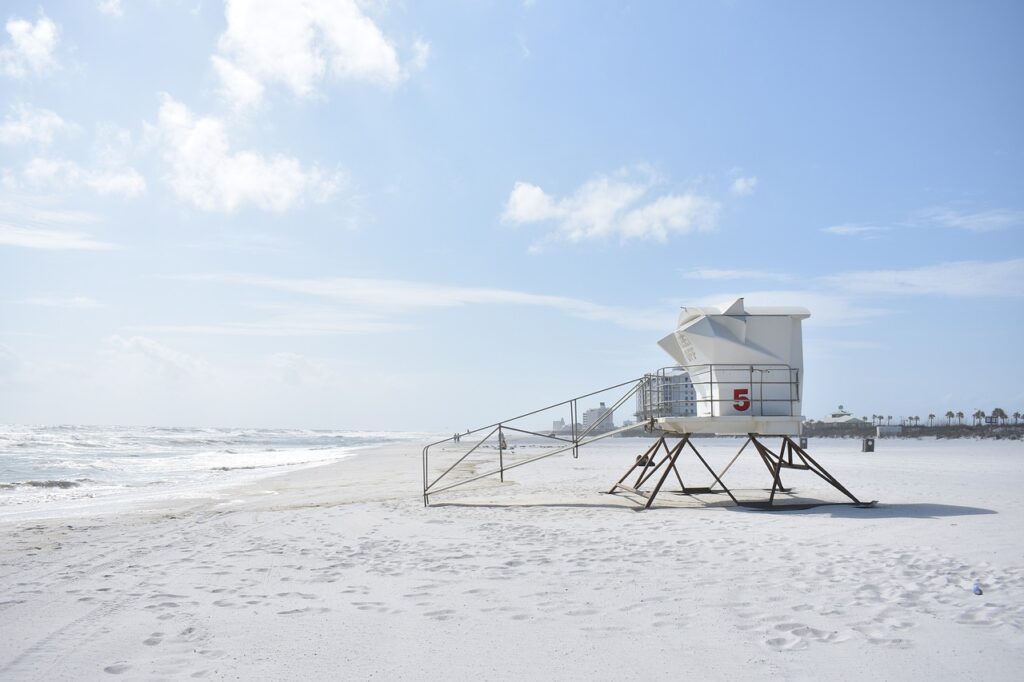
On most supervised Provençal beaches, signs and markings are the first layer of safety. Towns post information boards at beach entrances listing lifeguard hours, emergency numbers, the location of the rescue post and local rules (no barbecues, dogs banned during season, separated areas for water sports). In Provence, patrol periods vary: typically from early June to early September, with peak activity in July–August. Concrete example: at Plage du Prado (Avenue du Prado, 13008 Marseille), rescue stations operate daily in high season from 10:00 to 18:30; swimming access is free, and municipal parking along the avenue is paid (indicative prices: €2.20/hour or a daily flat rate around €12–15 depending on location).
Flags are universal but sometimes paired with local panels:
- Green flag: swimming allowed, normal supervision.
- Yellow flag: swim with caution, currents or choppy water — adjust behavior accordingly.
- Red flag: swimming prohibited — comply strictly, strong waves or active rescue operations.
- Black flag (less common): extreme danger or official closure.
On some beaches, loudspeaker announcements complement signage in case of storms or sudden events.
Examples of lifeguard hours and costs:
- SNSM rescue post — Plage de la Pointe Rouge, Route du Corail, 13008 Marseille. Patrols from June to September, usually 10:00–18:30. Parking at Pointe Rouge: rates about €1.60/hour and up to €10–12 per day depending on season.
- Rescue post at Pampelonne Beach (Ramatuelle) — Pampelonne Beach area, Route du Plan de la Tour, 83350 Ramatuelle. Patrols in July–August 9:30–19:00; note many stretches of Pampelonne are privatized: renting a sunbed/umbrella from a private beach club costs €30–150/day depending on the venue and level of service (e.g., Club 55 or Nikki Beach).
Following flags and lifeguards’ instructions is rule number one: these professionals monitor the sea all day and know local shifts in currents and seabed conditions.
2) Rocky beaches and coves: the Calanques, cliffs and specific hazards
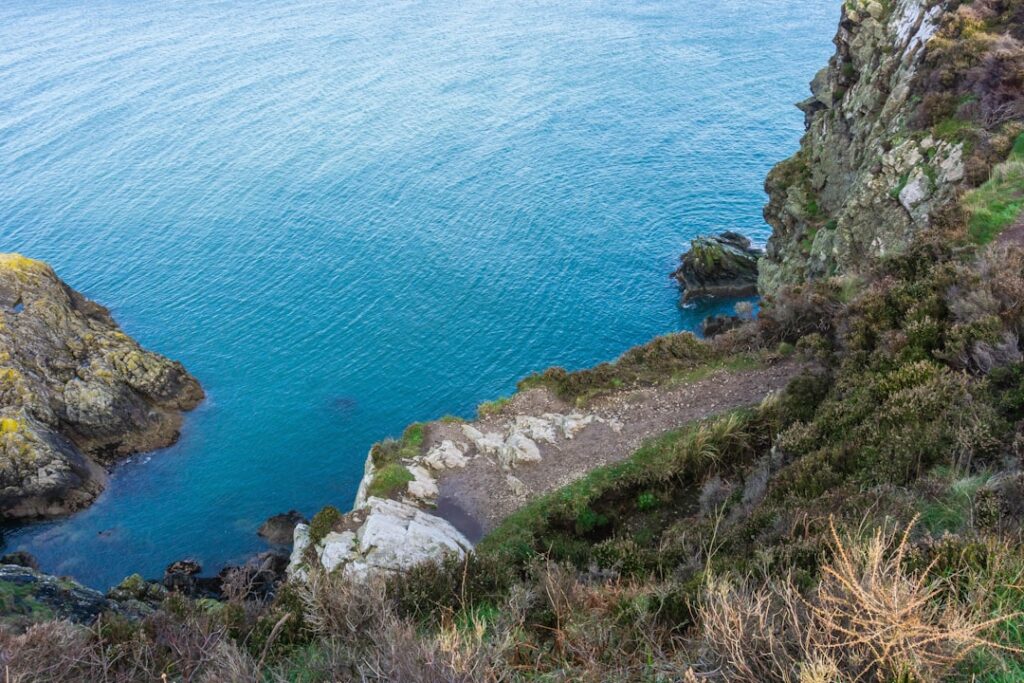
The Calanques between Marseille and Cassis offer spectacular scenery but also maritime and land hazards: crumbly cliffs, rockfalls, local currents, and unsupervised areas. A classic example: En-Vau Cove (accessible from Route D559, 13260 Cassis, or on foot by hiking from the parking areas at Port-Miou). Access is often by foot or by boat. Warning: parking in small villages around Cassis and near the Calanques is regulated — Cassis Tourist Office, Place Baragnon, 13260 Cassis (for information), open daily in season from 9:00 to 18:30; sea shuttle fares to the Calanques: roughly €10–22 return depending on the operator and distance.
Rules to follow in the Calanques:
- Wear closed, non-slip shoes for the approach: steep trails and loose rocks are common.
- Do not go near cliff edges — the limestone can crack: rockfalls happen frequently.
- Avoid swimming in unsupervised areas unless you’re a confident swimmer; favour calanques with a rescue post in season (these are rare).
- Respect the ban on fires and barbecues: wildfires are common and rules are strict — fines may apply.
Useful services and prices:
- Water taxis and excursions from Cassis Port, Quai des Baux, 13260 Cassis. Departures from 9:00–17:30 depending on season; prices €10–25 depending on distance and tour chosen.
- Official Calanques parking (e.g., Parking du Bestouan or Parking du Cap Canaille): seasonal rates, often €6–20/day depending on municipal management and crowding; check with Cassis town hall (Mairie de Cassis, Place Baragnon, 13260 Cassis, switchboard 04 42 01 02 03).
These areas require constant vigilance: the water can look calm but lateral currents and backwash at the base of cliffs can catch you off guard.
3) Urban and family beaches: facilities, prices and good habits
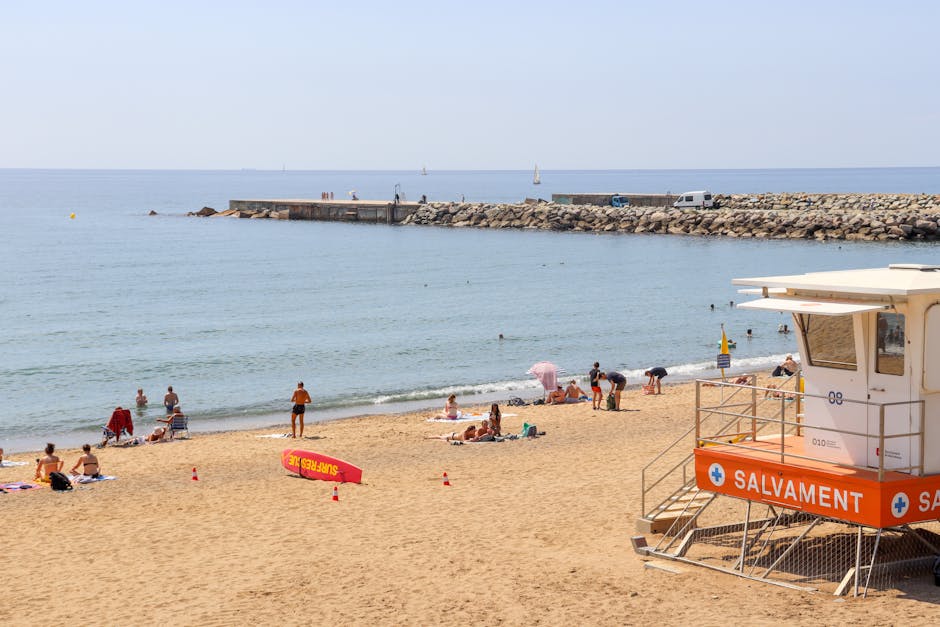
Provence’s urban beaches — Plage des Catalans (Quai du Port, 13001 Marseille), Plage du Prado (Avenue du Prado, 13008 Marseille), or Almanarre Beach (Route du Sel, 83400 Hyères) — often have showers, toilets, rescue posts and supervised areas, which makes them family-friendly. Here’s practical information, opening times and prices to help you plan a relaxed day.
Typical facilities and costs:
- Public showers: free or €0.50 depending on the municipality.
- Public toilets: sometimes paid, around €0.50–1.
- Municipal parking: variable rates — Almanarre Beach (83400 Hyères) charges for parking in season, about €2–3/hour and €12–18/day; check with Hyères town hall reception, Place Massillon, 83400 Hyères, tel. 04 94 00 80 00.
- Pedal boat / kayak rental: roughly €10–35/hour depending on equipment and season.
Good practices for families:
- Set up close to the rescue post when swimming with young children.
- Respect areas reserved for swimmers and zones dedicated to water sports (windsurf, kitesurf), clearly marked by buoys or signs.
- Bring a basic first-aid kit (plasters, disinfectant), hats and SPF 50 sun protection — sunstroke can happen fast.
- Teach children the rule “swim between the flags” and the alert signal: raise arms toward the lifeguard if there’s a problem.
Information and rescue points:
- Local SNSM / lifeguard post at Plage des Catalans — Quai du Port, 13001 Marseille. Often patrolled 10:00–19:00 in peak season.
- Municipal Rescue Centre — Plage du Prado, Avenue du Prado, 13008 Marseille: regular presence of lifeguards and municipal prevention teams.
Urban beaches also give quick access to shops and pharmacies (e.g., Pharmacie Victor Hugo, 12 Boulevard Victor Hugo, 13001 Marseille — opening times vary, often 9:00–19:30 on weekdays), which makes handling minor incidents easier.
4) Camargue, wild expanses and wildlife: special rules and protecting the environment
The Camargue, in the Rhône delta, offers vast, wild beaches like Plage des Saintes-Maries-de-la-Mer (13460 Saintes-Maries-de-la-Mer) and the coastline between Grau-du-Roi and Port-Camargue. These areas, often little or not supervised, require preparation and special attention because of currents, shifting sandbanks, and the presence of protected species (birds and flamingos). Here are the rules and best practices to follow.
Practical info and useful addresses:
- Plage des Saintes-Maries-de-la-Mer — Boulevard Est, 13460 Saintes-Maries-de-la-Mer. Seasonal rescue post: usually active June to September, hours vary (often 10:00–18:00). Municipal parking around the town: seasonal rates often €5–12/day depending on location.
- Camargue Regional Natural Park House — Route de Cacharel, 13460 Arles (contact for regulations, guided walks and safety recommendations). Opening hours: in high season 9:00–18:00; some entries and guided activities have fees (from €5 to €15).
Special rules in the Camargue:
- Respect protected areas and signs that ban access during nesting periods (spring/summer) — violations may be fined.
- Avoid leaving food accessible that attracts wildlife and Camargue horses; keep a respectful distance and do not touch animals.
- Surf or swim only in areas identified as safe, ideally near a rescue post; some stretches feature sandbanks that shift daily and create dangerous channels.
Additionally, the Camargue offers safe alternatives for enjoying the water: guided boat trips, horse rides with local companies (prices vary, often €20–60 per hour depending on provider and season). Example provider: Cheval Passion Camargue — Route de La Capelière, 13460 Arles, booking recommended (rates and hours on request, in season 9:00–19:00).

Emergency numbers and how to react
In case of an emergency on the beach:
- Call 112 (the European emergency number) for any critical situation.
- For medical emergencies in France, dial 15 (SAMU) or 114 (hearing-impaired emergency number).
- For sea rescues or boat drift: maritime number 196 (sea rescuers / CROSS); also contact the local SNSM if a station is present.
If a swimmer is in trouble, alert the lifeguards immediately, throw a buoy if available, and don’t enter the water unless you’re trained in rescue — you could make matters worse. Learn basic first aid (CPR, clearing airways) and carry a stocked first-aid kit during beach outings.
Conclusion — Enjoying Provence’s beaches safely
Provence’s beaches are exceptionally rich: diverse landscapes, sunny weather and a wide range of water activities. But this beauty requires respect and preparation. Following the flags, obeying lifeguards, and respecting local rules (no fires, Camargue protected zones, regulated access to the Calanques) is essential to protect both your safety and the environment. Check ahead of your trip: lifeguard hours (often 10:00–18:30 in high season), parking rates (€1.60/hour up to €20/day depending on location), and costs for water services (kayak €10–35/hour, shuttles €10–25).
Adopt simple but effective habits: swim between the flags, give children the right flotation device, check the weather and the strength of the mistral (a local wind that can pick up suddenly), and avoid swimming alone in unsupervised areas. If you’re visiting the Calanques, favor sea shuttles from Cassis Port (Quai des Baux, 13260 Cassis) or guided hikes, wear suitable footwear and bring plenty of water. In the Camargue, respect protected zones and check with the Park House for nesting periods and recommended trails.
Finally, remember safety goes hand in hand with caring for the coastline. Leave the beach clean, avoid unauthorized barbecues, and don’t disturb local wildlife — this helps keep these spectacular places for you and future generations. If you’re traveling to Provence this summer, plan your days around lifeguard hours and local advice: it will turn a beautiful day by the sea into a safe, memorable experience.