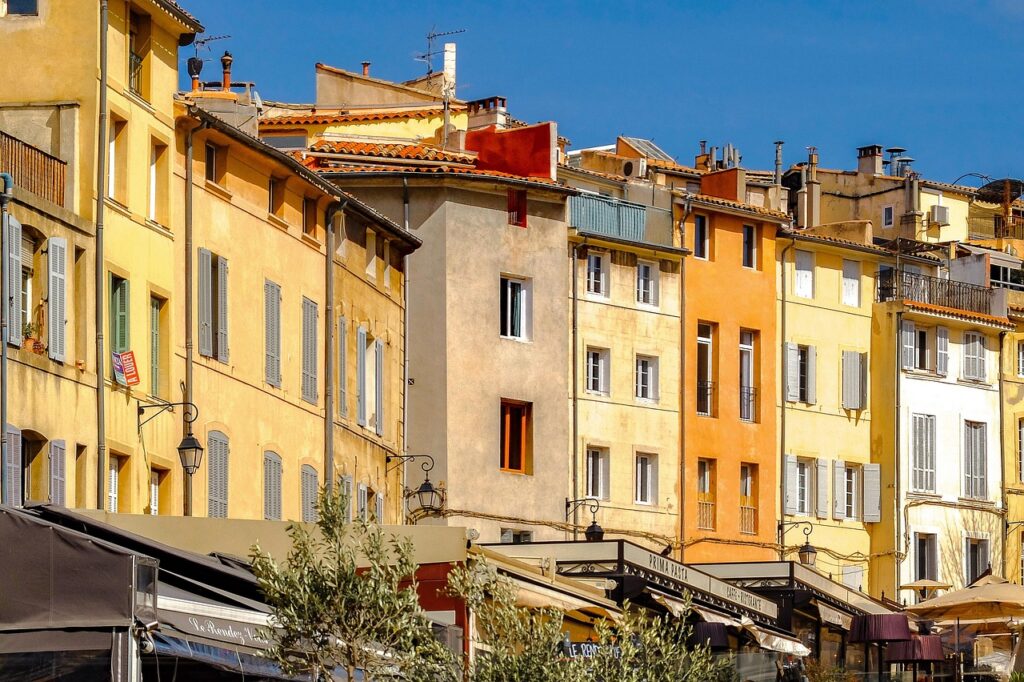






Introduction: Carnivals, Santons and Farandoles — a cultural snapshot of Provence
Provence is a land of vivid imagery and living traditions, where the air smells of thyme, scrubland and celebration. Between the bright splash of carnival parades, the delicate craft of hand‑painted clay santons and the twirling steps of the farandole, the region offers a unique cultural palette that blends popular tradition, leftover pagan rites and local artisanry. This article is a practical, immersive general guide to exploring these three cultural threads in Provence: where to go, what to see, how much to budget, and how to take part respectfully in these ceremonies and crafts.
In Provence the carnival is far more than costume parades; it condenses centuries of Mediterranean inheritance — winter rituals, political satire, street theatre and conviviality. Santons, those small painted clay figures, tell the story of the Provençal nativity but also recreate everyday life of the past: the baker, the shepherdess, the knife‑sharpening itinerant. And the farandole, a chain dance, embodies Provençal sociability, the bond with the land and the sense of community. Understanding these three elements gives you the keys to better grasping the Provençal soul.
This guide provides concrete addresses — tourist offices, museums and festival sites — with typical opening times and prices, immersive descriptions to help you prepare your visit, and local tips to make the most of events while respecting traditions. Whether you plan a winter trip for a famous carnival or a spring visit to discover santons and join a village farandole, you’ll find practical information and cultural recommendations here. The places we highlight cover the Côte d’Azur, the inland countryside and historic towns: Nice, Aix‑en‑Provence, Aubagne, Arles and Marseille — essential stops for anyone wanting to experience Provence’s variety.
This overview also includes budget reference points (entrance fees, grandstand prices, market costs) and typical schedules — always check official sites before you go, as events change year to year. The local tips are designed to create an authentic experience: arrive early for parades, buy santons directly from artisans, respect places of worship and join farandoles with kindness. Expect drums, horns and voices, the scent of roasted chestnuts and fried dough, and above all chance encounters with Provençaux proud of their customs and welcoming to visitors.
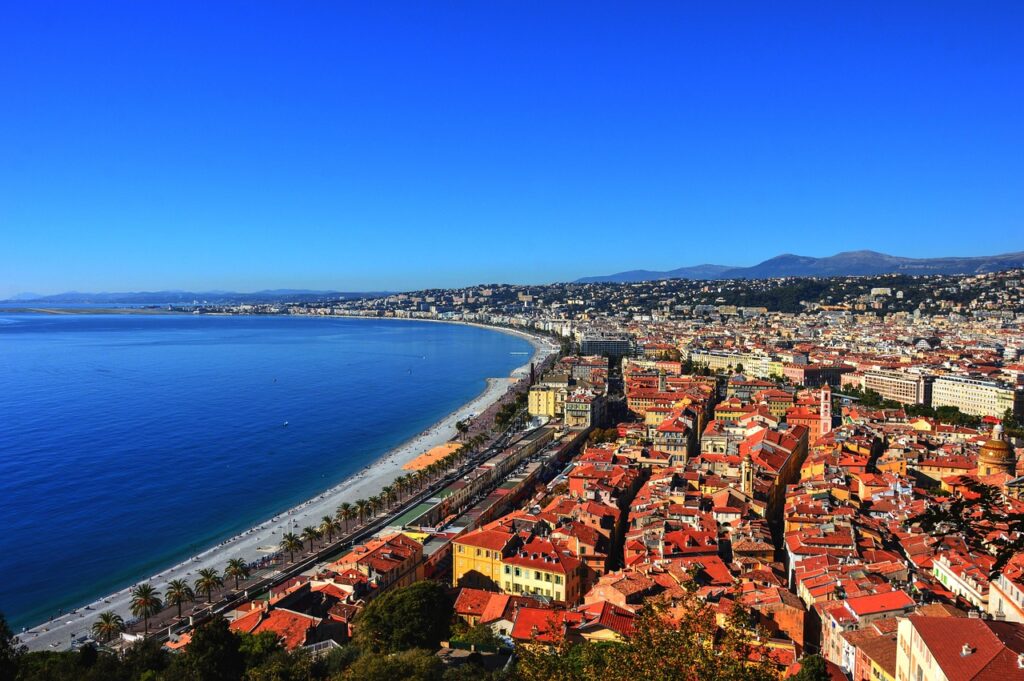
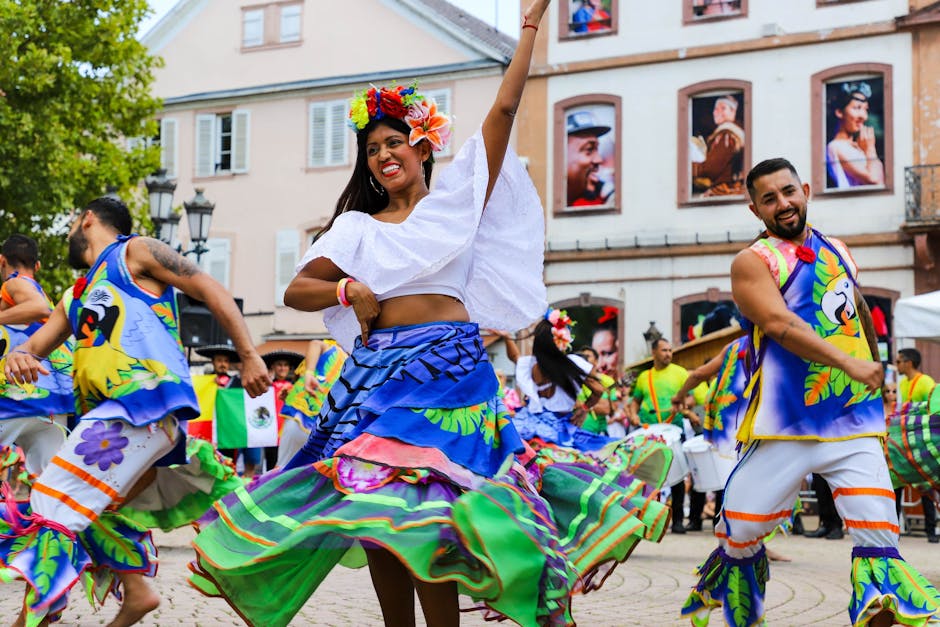
Provence’s carnivals: Nice, Menton and village carnivals (more than 250 words)
The carnival is one of the most emblematic events of Mediterranean Provence. The best‑known is undoubtedly the Nice Carnival, but other towns — like Menton — and numerous villages keep rich, varied carnival traditions alive. These events combine decorated floats, flower battles, satirical processions and local music. Below are practical pointers to help you attend Provence’s carnivals.
Nice Carnival — the big Côte d’Azur gathering
The Nice Carnival takes place mainly along the Promenade des Anglais and on Place Masséna. Key addresses: Promenade des Anglais, 06000 Nice and Place Masséna, 06000 Nice. The Nice Côte d’Azur Metropolitan Tourist Office is located at 5 Rue Massena, 06000 Nice (or the main welcome point at Place Masséna depending on the season). Typical office opening hours: 9:00–18:00 (daily during high season and events). Phone: +33 (0)4 93 13 88 00.
Prices: Grandstand seats for the flower battles and carnival parades are tiered: bleacher seats from €15 (discovery category), €30 (mid category) up to €60–75 (premium), per person depending on location and the day. Night parades and some balls are ticketed. Buy tickets in advance on the official Nice Carnival website or at tourist office counters; weekends sell out quickly.
Practical tips: arrive at least an hour before the parade if you want an unreserved spot along the Promenade, bring wind and rain protection (winters can be breezy), and favour public transport — Tram Line 1 to Masséna is convenient. Food stalls offer local specialties (socca, pissaladière, fried doughnuts). Respect the marked zones and don’t climb barriers for safety reasons.

Menton Carnival and inland village carnivals
The Menton Carnival, famous for its citrus festival (Fête du Citron), takes over the Promenade du Soleil. Address: Promenade du Soleil, 06500 Menton. Prices: the citrus gardens and exhibitions typically cost between €11 and €24 depending on options (adult/child and combined shows). Opening times are roughly 10:00–18:00 for exhibits, evenings vary with the program. Check the official site for exact seasonal timetables.
Many Provençal villages also celebrate carnival in more intimate, grassroots ways: for example the Salon‑de‑Provence Carnival (around Place Morgan), the Martigues Carnival, and processions in Villeneuve‑lès‑Avignon or Istres. Local carnivals are often free and offer a more authentic immersion: handmade floats, local brass bands and artisanal costumes. Ask at local tourist offices — for instance, Aix‑en‑Provence Tourist Office, 8 Cours Sextius, 13100 Aix‑en‑Provence, tel. +33 (0)4 42 16 11 20 — for village programs and parade times.
Local tip: for a truly authentic experience, pick a village carnival if you want traditional songs, close contact with locals and a convivial atmosphere. Carry cash (many small stands don’t take cards) and don’t hesitate to strike up conversations — political and local satire is part of the show and Provençaux enjoy explaining their costumes and floats.
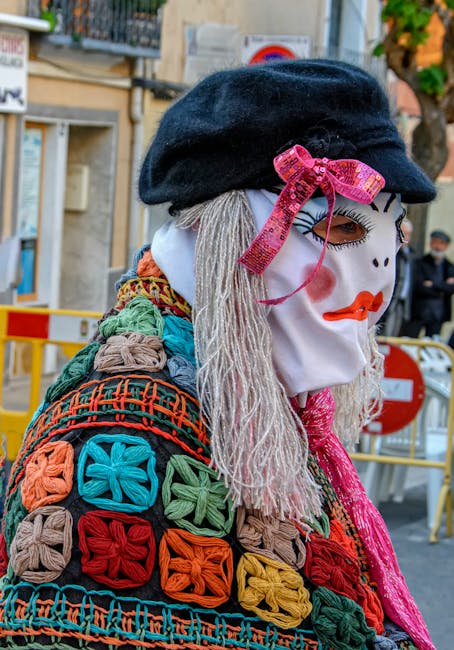
Santons: workshops, museums and fairs — where to see and buy these traditional figures
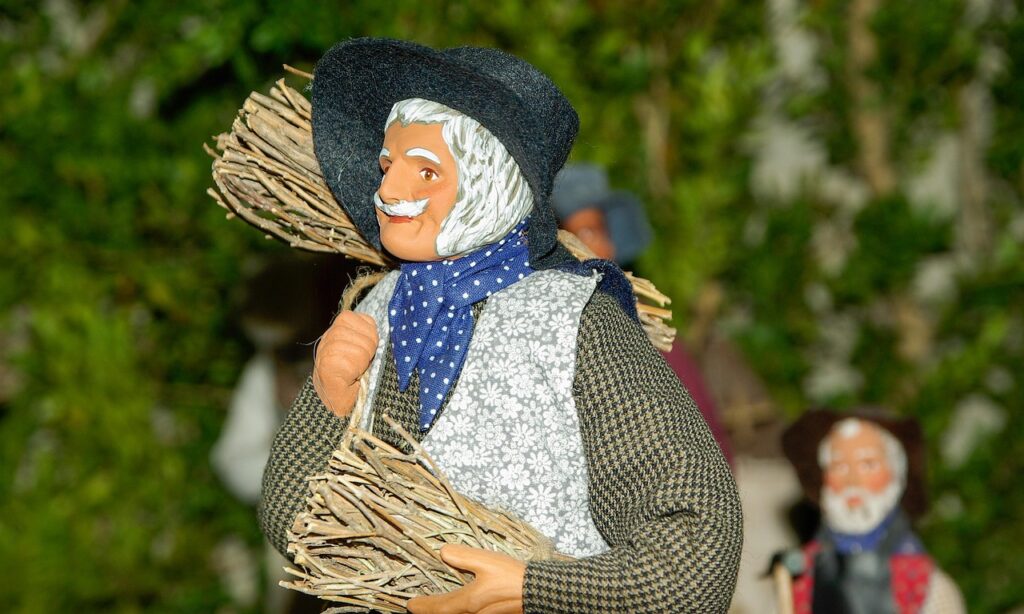
Santons are at the heart of Provence’s Christmas tradition. These small, hand‑painted clay figures represent not only the Nativity but the full cast of traditional village life. Here’s where to see them, how to choose, and what to budget for.
Musée du Santon and artisan workshops
Aubagne is often regarded as the capital of the santon. Useful address: Aubagne Tourist Office, Place du Général de Gaulle, 13400 Aubagne, tel. +33 (0)4 42 03 47 03. In Aubagne you’ll find several santon workshops and artisan shops. Recommended stop: Atelier du Santonnier Jean Brun, 12 Rue du Docteur Louis Loucheur, 13400 Aubagne (hours vary, typically 9:00–12:30 and 14:30–18:00 in season), where you can observe sculpting, drying and painting of santons.
Museums and collections: the Musée du Santon de Provence (Aubagne) often has a permanent exhibition and live demonstrations. Address: Rue de la République / historic centre, 13400 Aubagne (museum locations can change; confirm with the tourist office). Typical museum prices: €3–6 entrance, free for under‑12s, discounts for students and seniors. Opening hours: 10:00–12:30 and 14:00–18:00, closed Mondays outside peak season.
In Marseille several long‑standing shops sell hand‑painted santons. A well‑known spot: La Maison du Santon, 4 Rue du Petit Puits, 13001 Marseille (usually open 10:00–19:00 during the festive season — phone +33 (0)4 91 xx xx xx — check before you travel). Christmas markets in Aix‑en‑Provence (Cours Mirabeau / Town Hall square) or Arles also showcase strong artisan selections.
Buying a santon: sizes, prices and care tips
Santons come in several sizes: 3 cm (miniature), 7–12 cm (standard for home crèches), 20–30 cm (display pieces). Prices vary by size and craftsmanship: a 7–10 cm santon usually costs between €8 and €25; larger or customised pieces can reach €80–200 or more for true artworks. If possible, buy directly from the artisan’s shop (often cheaper and you may get to watch the making process).
Practical tips: always ask if the santon is signed and whether the price includes any repair service (some artisans offer a small after‑sales repair). For travel, wrap each santon individually in bubble wrap or cloth and avoid packing them where they might get crushed. At home, avoid prolonged direct sunlight to preserve pigments.
Associated events: santon fairs traditionally take place in November–December. In Aubagne, the Foire aux Santons is held each year at the end of November/beginning of December with exhibitions and educational workshops. Entry to the fair is often free or modestly priced (free to €5 depending on the year); workshops usually cost €5–15.
Farandoles and traditional dances: learning the steps and where to join in
The farandole, a chain dance typical of Provence, is a shared moment often present at village fêtes, summer fairs or religious festivities. Historically it’s danced holding hands or a ribbon, forming a long chain that snakes through the streets. It’s commonly accompanied by traditional instruments: fifes, tambourines, galoubets and the accordion.
Where to see and learn the farandole
Farandoles are frequent at votive festivals and folk festivals. Some places and events where you can see or take part:
- Arles — Foire d’Arles and Provençal festivals: Arles Tourist Office, 12 Boulevard des Lices, 13200 Arles, tel. +33 (0)4 90 49 39 39. Farandoles show up during gardian festivals and summer events. Streetside performances are often free; dance workshops cost around €5–15.
- Aix‑en‑Provence — Saint‑John festivities and markets: Aix‑en‑Provence Tourist Office, 8 Cours Sextius, 13100 Aix‑en‑Provence. Summer dances and folk demonstrations take place on the Cours Mirabeau and Place d’Albertas.
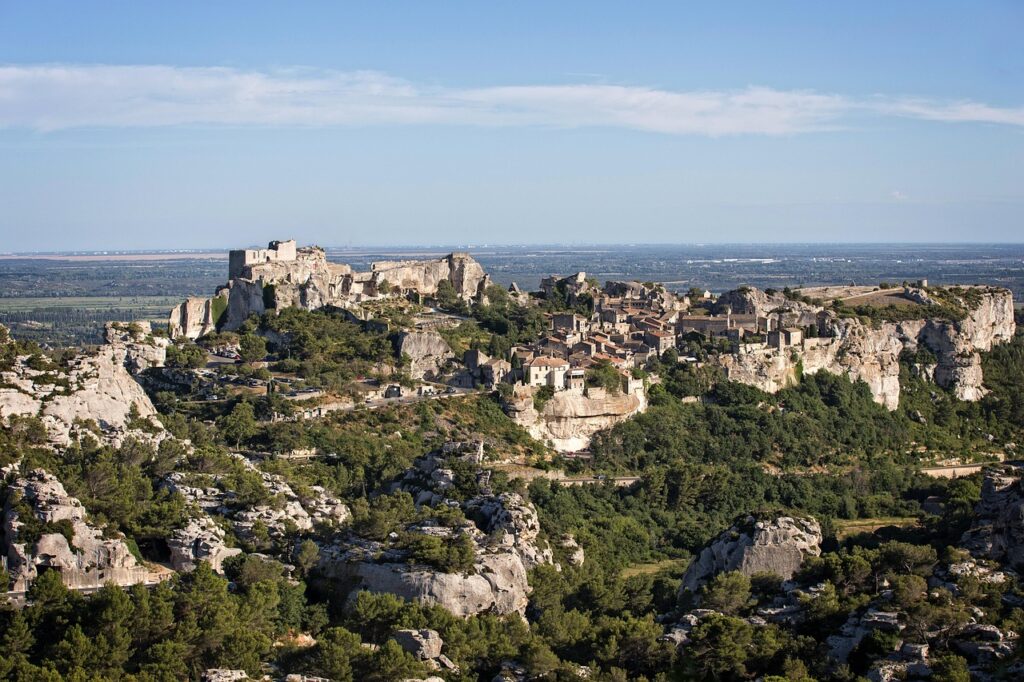
- Luberon and Alpilles villages: many villages such as Ménerbes, Saint‑Rémy‑de‑Provence or Les Baux hold farandoles during patronal fêtes (usually free).
To learn, contact local folk dance associations — often connected to Occitan or Provençal traditions. Introductory workshops typically last about 90 minutes and cost between €8 and €20 per person. Classes often happen in the evening, roughly 18:30–20:30, when temperatures are pleasant and locals can join visitors.
Tips for participating respectfully
Joining a farandole requires an open attitude: follow the lead of local dancers, keep to the right to allow tighter passages to flow, and avoid inventing moves that could break the chain. If you take photos, ask permission and don’t block the route. Offer a small donation if the performance is organised by an association (€2–5) — it’s a simple way to support the transmission of traditions.
Remember the farandole is as much a social practice as a spectacle: by joining you become part of a living heritage. Learning a few basic steps and respecting the rhythm will give you a memorable experience and real encounters with locals proud of their culture.
Suggested itinerary and practical logistics for a cultural stay in Provence
To make the most of carnivals, santons and farandoles, here’s a suggested 5‑day itinerary that mixes major events with local experiences, including addresses, typical times and budget indications:
- Day 1 — Nice: Carnival — Arrive in Nice, settle in and stroll the Promenade des Anglais, 06000 Nice. Catch a parade (day parades often start at 14:00; night parades around 21:00 depending on the schedule). Grandstand tickets: €15–60 depending on seat. Overnight in Nice: hotels around Place Masséna with varied prices.
- Day 2 — Menton and the Esterel foothills — Visit the Promenade du Soleil, 06500 Menton, enjoy the Fête du Citron if it’s running. Garden/exhibit entry: €11–24. Then wander the lanes of old Antibes.
- Day 3 — Aubagne: santon makers — Head to the Aubagne Tourist Office, Place du Général de Gaulle, 13400 Aubagne. Workshops and artisan visits (9:30–12:30, 14:30–18:00). Shopping budget: €20–100 depending on santons chosen.
- Day 4 — Aix‑en‑Provence: markets and demonstrations — Morning at the Provençal market (Cours Mirabeau), visit the historic centre and the Musée Granet if time allows. Folk demonstrations in the evening during the season. Tourist office: 8 Cours Sextius, 13100 Aix‑en‑Provence.
- Day 5 — Arles and the Alpilles: farandoles — Join a farandole at a village fête (check with the Arles Tourist Office, 12 Boulevard des Lices, 13200 Arles). Usually free or workshop priced €5–15.
Transport: renting a car is handy for the inland villages (average cost €30–70/day depending on season). Main train stations: Nice‑Ville Station (Avenue Thiers, 06000 Nice), Aix‑en‑Provence Station (Place Valin, 13100 Aix‑en‑Provence). TER regional trains link the main towns and are economical: single fares €5–20 depending on distance.
Indicative total budget for 5 days: accommodation (€60–150/night), meals (€20–50/day), activities and entrances (€50–150), transport (€30–70/day depending on choices). Always allow a little extra for artisan purchases and souvenirs.
Conclusion: preserve, participate and enjoy Provençal heritage
Carnivals, santons and farandoles form a living triptych of Provençal culture. They offer a rare combination of popular exuberance, meticulous craft and communal practices. For visitors, they provide more than striking, colourful images — they offer an opportunity to engage in a dynamic of respect and exchange. By using local tourist offices (Nice, Aubagne, Aix‑en‑Provence, Arles) for up‑to‑date programs, buying directly from artisans to support the local economy, and joining farandoles with humility, you help ensure these traditions endure.
Planning a trip around these events requires a bit of foresight: reserve Nice Carnival grandstand seats, time Aubagne’s santon fairs for December, and check village patronal fêtes for farandoles — simple steps that turn a visit into a deep cultural experience. Costs can vary widely depending on choices (premium grandstand, collector santons, private workshops), but most highlight moments — village processions and outdoor dances — remain accessible and often free.
Above all, be curious and respectful: ask questions, listen to artisans’ explanations, request permission for close photos, and accept an invitation to dance when offered. Provence performs for you, but it mainly shares itself. Whether you come for the frenzy of the Côte d’Azur carnival, the finesse of a hand‑painted santon in Aubagne, or the warm humanity of a village farandole, you’ll leave with vivid images, memorable encounters and a renewed connection to southern France.
For up‑to‑date information consult the following official offices before you travel — Nice Côte d’Azur Metropolitan Tourist Office (Place Masséna, 06000 Nice), Aubagne Tourist Office (Place du Général de Gaulle, 13400 Aubagne), Aix‑en‑Provence Tourist Office (8 Cours Sextius, 13100 Aix‑en‑Provence), Arles Tourist Office (12 Boulevard des Lices, 13200 Arles). Safe travels in Provence — let the music, the clay and the dance carry you away.