




Introduction: How Provencal Traditions Are Born — a Living Heritage
Provence is more than a postcard backdrop: it’s a region where traditions have been woven over centuries, blending rural, Mediterranean, religious and commercial influences. To understand how Provencal traditions are born is to trace the roots of everyday life — markets, religious festivals, artisanal skills and agricultural landscapes — and to watch how these elements transform into shared rites, symbols and communal habits. In this introduction we’ll set out the historical and anthropological cornerstones that explain why Provence keeps such a strong identity, before diving into concrete examples and practical tips for experiencing and helping to preserve them on the ground.
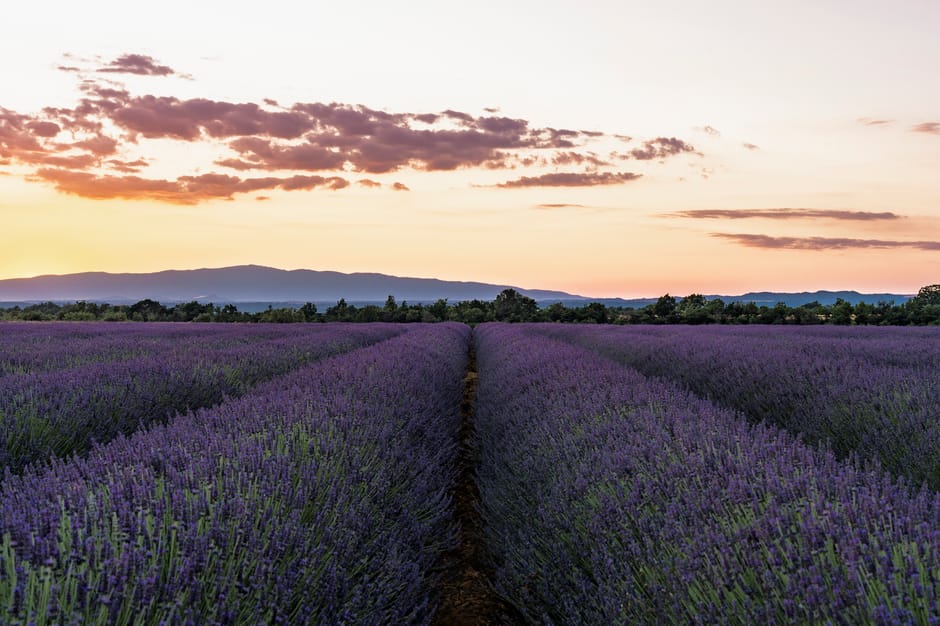
Historically, Provence has been a crossroads: Romanized from antiquity (Arles, Glanum), later part of the Kingdom of Provence, and shaped by the papal presence in Avignon. Local traditions often arise where these influences intersect: religious processions inherited from Christianity, patron-saint festivals tied to agriculture, weekly markets born of medieval trade. Add the climate — sun, mistral wind, limestone soils — and you get crops that are particular to the region (lavender on the Valensole Plateau, olive trees in the Luberon, rice in the Camargue) and the rituals that accompany them (lavender fields and harvest, olive picking, the manades of bulls).
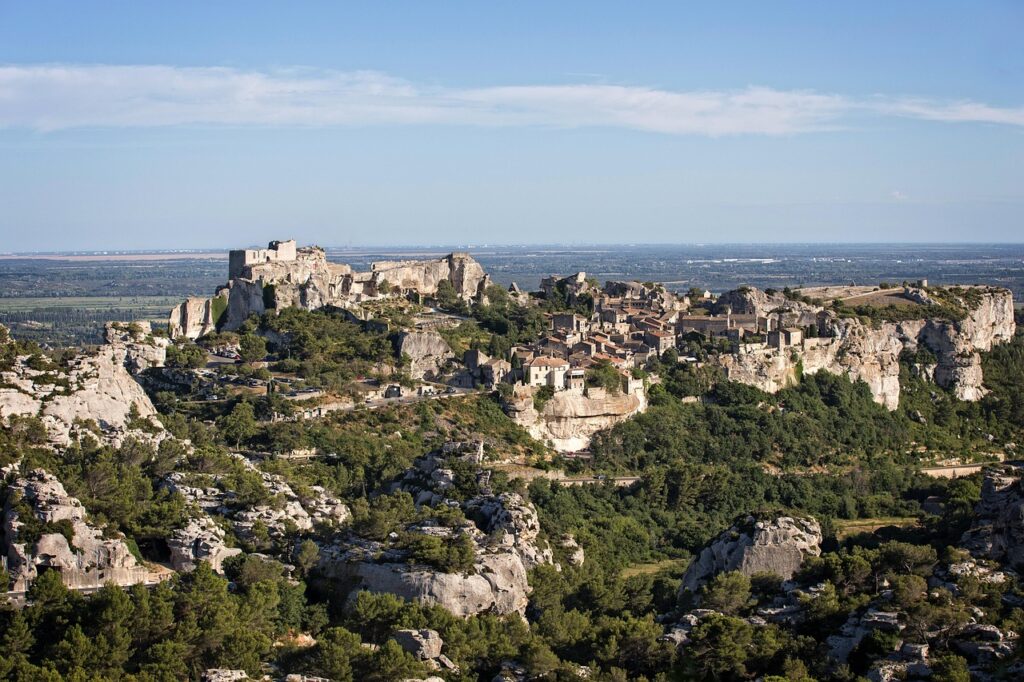
But traditions aren’t frozen in time: they evolve. The craftsmanship of Aubagne’s santonniers, the food scene at Aix-en-Provence and Arles markets, the votive festivals of Saint-Rémy-de-Provence and the contemporary shows at the Carrières de Lumières in Les Baux-de-Provence show how intangible heritage is updated for both tourism and local life. Heritage institutions also play a role: museums, tourist offices and associations help conserve and promote customs. For example, the Musée du Santon et traditions populaires (1 avenue Victor Hugo, 13400 Aubagne) stages exhibitions and workshops; admission roughly €6.50, opening hours vary by season (typically 10:00–12:30 and 14:00–18:00).
This general guide invites you to explore how these traditions form through four main themes: religious and popular festivals, artisanal and gastronomic know-how, the role of landscape and peasant economy, and finally contemporary mechanisms of transmission and reinvention. For each theme you’ll find concrete places to visit (addresses and hours), indicative prices, immersive descriptions and practical tips for observing these traditions in situ without distorting them. Whether you’re a curious visitor or a resident wanting to dig deeper, following these leads will help you feel, hear and taste authentic Provence.
1. Religious and Popular Festivals: Processions, Féria and Votive Traditions
Religious and popular festivals in Provence are among the most visible sources of local tradition. These events come from a mix of Christian rites, pagan agricultural customs and community practices. They occur year-round but reach their peak in spring and summer during patronal feasts, rogation processions and the Andalusian-inspired ferias adapted to Provençal life.
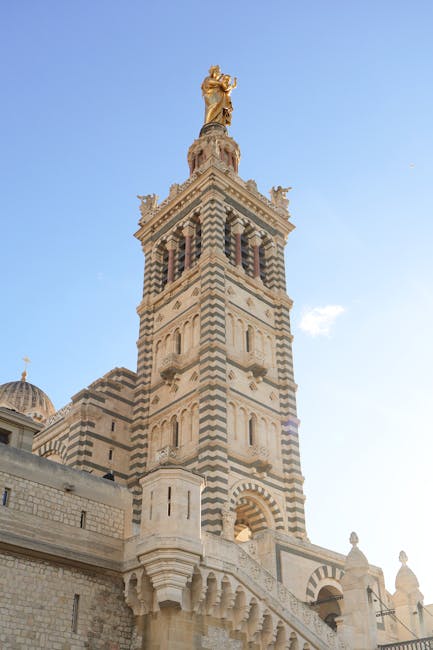
Concrete examples: the August 15 procession at Notre-Dame-de-la-Garde (Basilique Notre-Dame de la Garde, Rue Fort du Sanctuaire, 13281 Marseille) draws worshippers for a mass often celebrated at 11:00; access to the forecourt is free; allow 10–15 minutes’ walk from the Old Port (Quai des Belges, 13001 Marseille). In Arles, the votive festival and feria (Place de la République, 13200 Arles) combines bullfights, abrivados and parades, with free street performances and ticketed events in the arenas (Arènes d’Arles, Place des Arènes, 13200 Arles — arena ticket prices €10–35, summer hours 09:00–22:30 depending on the program).
More rural votive traditions, like the blessing of the wheat or Saint Eligius celebrations (the patron saint of blacksmiths and farmers), take place in villages such as Saint-Rémy-de-Provence (Rue Carnot, 13210 Saint-Rémy-de-Provence) where the local fête can last a whole weekend with evening markets and music. Schedules and programs are usually posted at the town hall (Hôtel de Ville, Place Favier, 13210 Saint-Rémy-de-Provence) and street events are often free; paid shows typically cost around €5–15.
Local tips: arrive early for processions to secure a spot and soak up the atmosphere; dress modestly for religious ceremonies; respect areas reserved for participants. If you want to take photos, always ask permission, especially during religious acts. To fully immerse yourself, check with local tourist offices: the Office de Tourisme d’Arles (5 rue République, 13200 Arles, phone +33 4 90 49 39 39, open 09:00–18:00 in high season) offers detailed brochures.
2. Artisanal and Gastronomic Know‑How: Santons, Olive Oil and Markets
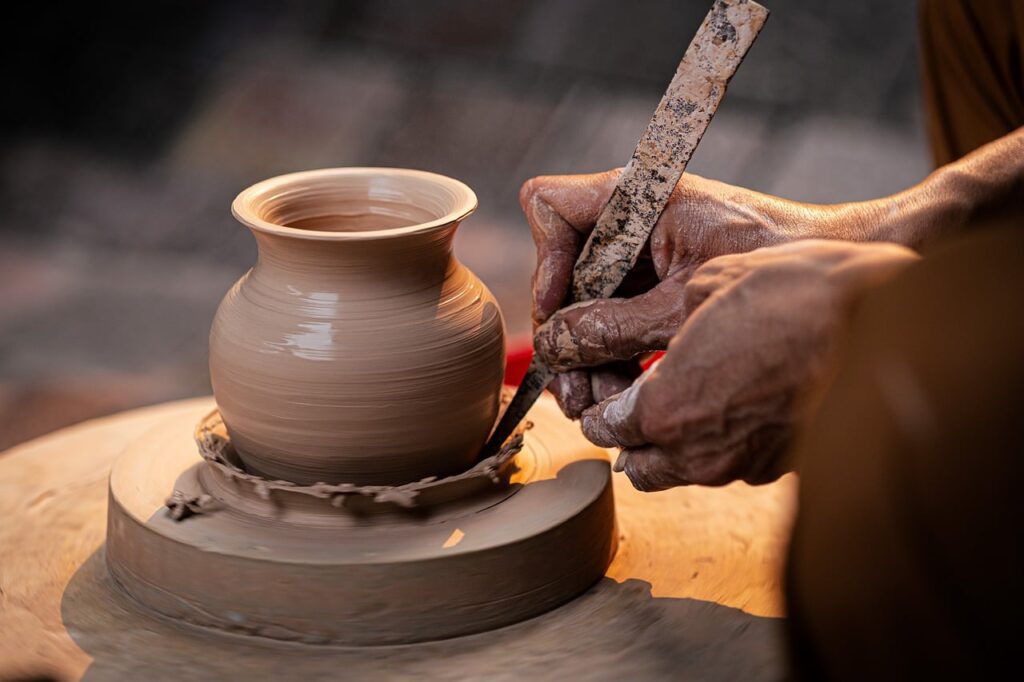
Handicrafts and gastronomy sit at the heart of Provencal identity. They result from long chains of transmission: family apprenticeships, medieval guilds and modern workshops. These trades shape objects (santons, pottery, soap) and products (olive oil, Herbes de Provence, calissons) that symbolize regional culture and permeate social life through markets and fairs.
Places to visit: La Maison du Calisson in Aix-en-Provence doesn’t have a single fixed address, but the iconic producer « Royal Moustache – Confiserie du Roy René » is at 7 Rue Chabrier, 13100 Aix-en-Provence; visits and workshops are possible by reservation, workshop prices €12–25, opening hours 09:00–12:30 and 14:00–18:00. For santons, the Musée du Santon (1 avenue Victor Hugo, 13400 Aubagne) showcases traditional production: workshop and shop on site, admission around €6.50, hours 10:00–12:30, 14:00–18:00.
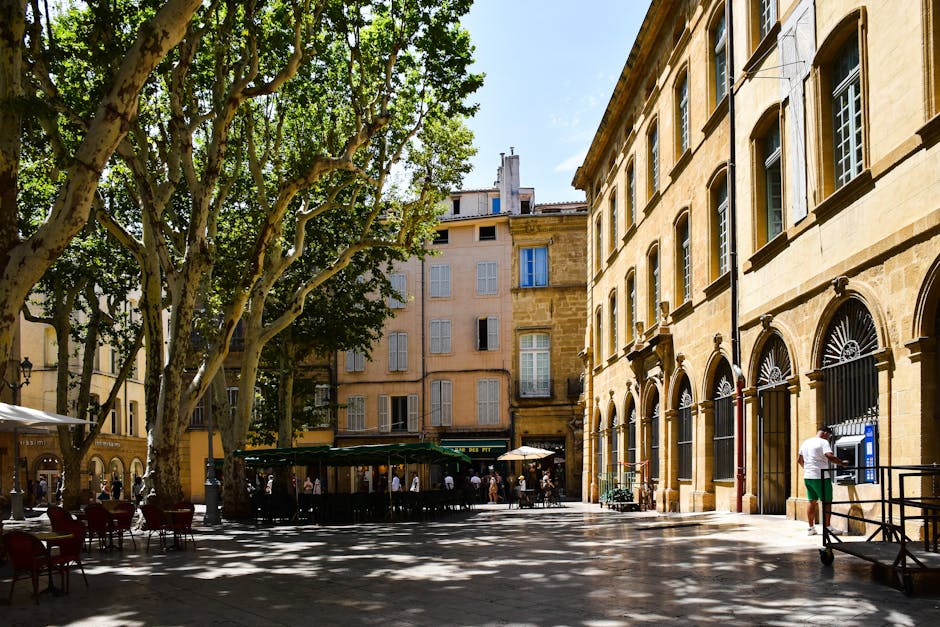
Olive oil is another cornerstone. Visit a mill like Moulin Castelas (Route des Baumes, 84210 Pernes-les-Fontaines) or Moulin Paul Milet (Address: 123 Route de l’Olivier, 13100 Aix-en-Provence — check seasonal openings). Many mills welcome visitors and offer tastings: visit-and-tasting prices €5–15; in-shop bottles range €6–25 depending on quality. Local markets remain the prime spot for exchange: the Marché d’Aix-en-Provence (Cours Mirabeau, Place Richelme, 13100 Aix-en-Provence) buzzes every day except Monday for the major halls; typical hours 08:00–13:00.
Practical tips: favor local producers and ask for samples before buying olive oil or honey. Book workshops well in advance, especially in high season (June–September). Markets are a chance to learn from vendors: start conversations and ask for traditional recipes (bouillabaisse, aioli, tapenade). Also, respect photographers’ preferences in workshops (some artisans prefer no flash).
3. The Role of Landscape and Farming: Lavender, Vineyards and the Camargue
Provençal landscapes are both the source and the stage for traditions. Iconic crops (lavender, vines, olive trees, rice) and ecosystems (garrigue scrub, marshes, plains) shape agricultural practices and communal rituals that endure. These uses are tightly linked to the seasons: sowing, harvest, lavender cutting and transhumance.
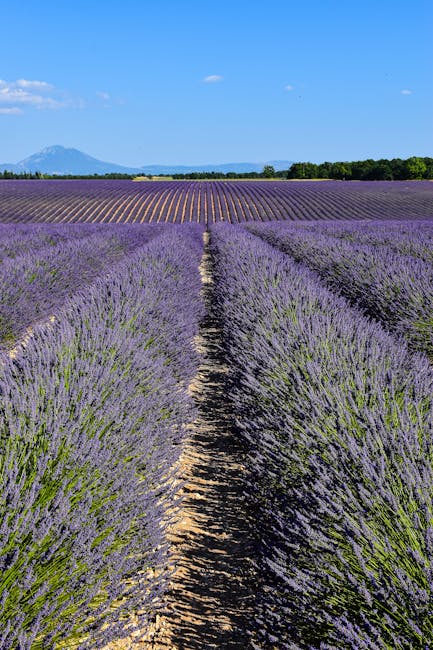
Recommended visits: the Valensole Plateau (Plateau de Valensole, 04210 Valensole) for lavender fields: access is public but respect private property and crops; best time late June to mid-July; roadside parking is often free along the departmental roads. The vineyards of Bandol (Route de la Cadière, 83330 Bandol) and Châteauneuf-du-Pape (Domaine du Vieux Télégraphe, 84100 Châteauneuf-du-Pape — exact address Domaine du Vieux Télégraphe, Route de la Barque, 84100 Châteauneuf-du-Pape) offer tours and tastings: tasting fees €10–25, hours 10:00–17:00, reservations recommended.
The Camargue, a unique territory, is home to equestrian and bull‑rearing traditions tied to the manades (Camargue ranches). The Maison du Parc de la Camargue (Maison du Parc, Route de Cacharel, 13200 Arles) provides exhibits and itineraries to discover wildlife (flamingos, white horses); exhibitions are free, guided outings cost €8–25, hours 09:00–17:30 depending on the season. To see a manade, contact Manade Janin (Manade Janin, Route du Sambuc, 13200 Arles — visits by reservation, fees €12–30).
Local advice: respect crops by not walking through fields and staying on marked paths; don’t pick lavender without permission. For the grape harvest, some estates accept volunteers for hands-on experiences (reservation required, often a symbolic contribution €10–30). When visiting the Camargue, choose local guides to better understand ecological stakes and manade customs; wear suitable shoes and sun protection.
4. Transmission and Reinvention: Museums, Schools and Contemporary Festivals
Today the passing on of traditions in Provence happens through institutional structures (museums, craft schools, conservatories) and cultural events that reinterpret heritage. This dual dynamic — protection and innovation — explains why new forms of tradition emerge while supporting older practices.
Museums and schools: the Musée Réattu (Musée Réattu, 39 rue du Grand Prieuré, 13200 Arles) preserves classical and contemporary collections tied to the region; admission around €8, hours 10:00–18:00. The Regional Conservatory of Crafts or local associations (often hosted in town halls or cultural centers) offer pottery, santon-making, weaving and Provençal cooking classes. For example, L’Atelier du Calisson in Aix runs culinary sessions (reservations via the Office de Tourisme d’Aix, Cours Mirabeau, 13100 Aix-en-Provence).
Contemporary festivals: converting historic sites into modern venues is itself a form of reinvention. The Carrières de Lumières (Les Baux-de-Provence, Route de Maillane, 13520 Les Baux-de-Provence) stage immersive projections of international artists; tickets €12–15, hours 10:00–19:00 depending on season. The Festival d’Avignon (Palais des Papes, Place du Palais, 84000 Avignon) mixes classical theater and contemporary creations — ticket prices vary €10–60, box office open online and at the counters (Palais des Papes, box office hours 09:00–18:00 in season).
Traveler tips: take part in museum workshops to better understand artisanal gestures; buy local products directly from makers to support economic transmission. For festivals, book early and check official programs (Office de Tourisme d’Avignon, Place de l’Horloge, 84000 Avignon, +33 4 90 27 61 61). Finally, respect conservation rules at heritage sites (don’t touch certain works, follow photo guidelines) and favor small‑group visits for a more authentic experience.
Conclusion: Preserving Traditions Without Freezing Them
Provencal traditions are the result of a long historical, geographical and social process. They emerge from the dialogue between rural practices, religious cults, commercial exchange and artisanal know‑how, and they are maintained by local communities, institutions and visitors. Understanding how they form helps you appreciate not just the folklore but also the conservation challenges: transmission requires respecting original gestures while adapting to new realities (tourism, sustainable economies, technology).
For the traveler, discovering these traditions means getting hands-on: attend local fêtes, visit workshops, join tastings and honor agricultural and religious rhythms. The addresses and hours given in this guide (museums, mills, manades, markets) are starting points for planning your route, but the real richness comes from unexpected encounters — an olive vendor at Cours Mirabeau market, a santonnier demonstrating in Aubagne, a Camargue breeder ready to explain bull handling.
Keeping traditions alive takes commitment and care: support local artisans with responsible purchases, attend events organized by associations and get information from local tourist offices to help preserve this living memory. Finally, cultural reinvention (festivals, immersive exhibitions, contemporary workshops) shows that tradition can evolve without losing its essence. In Provence, every visit becomes a contribution: observing, listening, tasting and learning are acts of preservation. When you leave, you’ll take home not just souvenirs and products but a deeper understanding of how a region turns its history into living customs.
