





Musique, danse et costumes : immersion dans la culture provençale
Introduction
Provence charms with its scenery and sunshine, but even more so with its intangible heritage: the music, dances and traditional costumes that tell the story of a region wedged between sea and mountains. For the curious traveler, understanding Provence means listening, watching and touching — hearing the tunes, watching the local dances and feeling the fabrics. This article is a practical, full guide to diving into Provençal traditions, with precise addresses, opening hours, prices and tips to enjoy an authentic, respectful immersion.
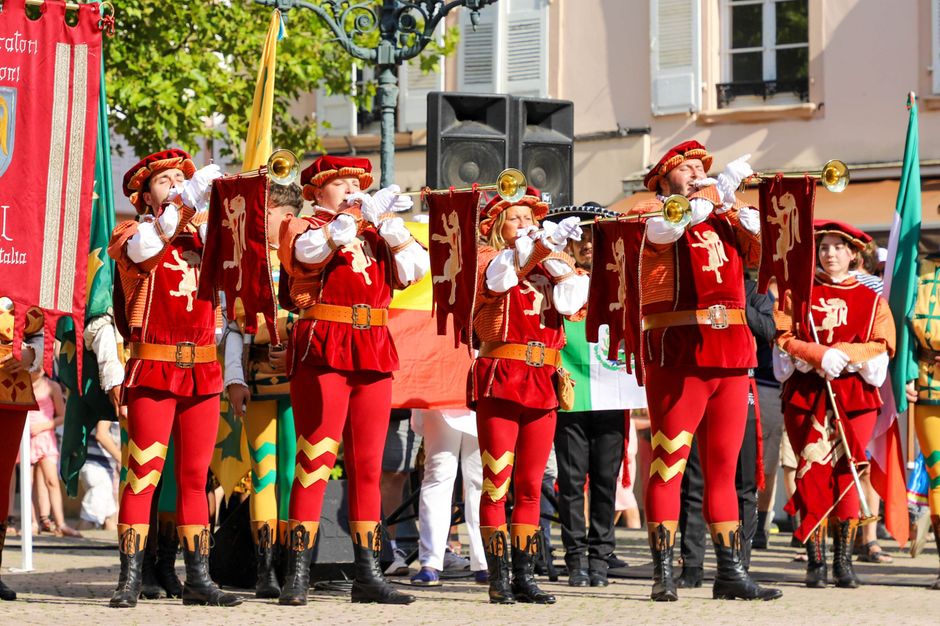
Traditional Provençal music features signature instruments like the galoubet-tambourin, the hurdy-gurdy, the accordion and the local bagpipes. Festivals, museums and local troupes keep these repertoires alive. Dances — from farandoles to contra dances and the Arlésienne steps — take place in public squares, village fêtes and in demonstrations run by traditional dance schools. And the costumes — richly embroidered Arlésienne skirts, headdresses, vests and the hats of the gardians — tell of social rank, religious rites and the farming calendar. They’re preserved in museums, recreated by workshops and proudly worn during festive events.
This guide shows you where to listen, where to dance, where to see and even where to buy or try on these costumes, with exact addresses, typical opening hours and the prices at the time of writing. You’ll find themed route suggestions (historic Arles, festival-filled Avignon, rural Camargue) and practical advice to respect local traditions: ask permission before photographing a costume, arrive early for the best seats at shows, and bring suitable footwear if you want to join dances. If you travel in summer, book ahead — festivals and workshops fill up fast and prices can rise.
Designed for everyone — from beginners to enthusiasts — this route helps you discover Provence beyond its landscapes: by listening to its sounds, watching its steps and touching the fabrics that shaped it. Get your ears, legs and camera ready: Provence has a lot to reveal.
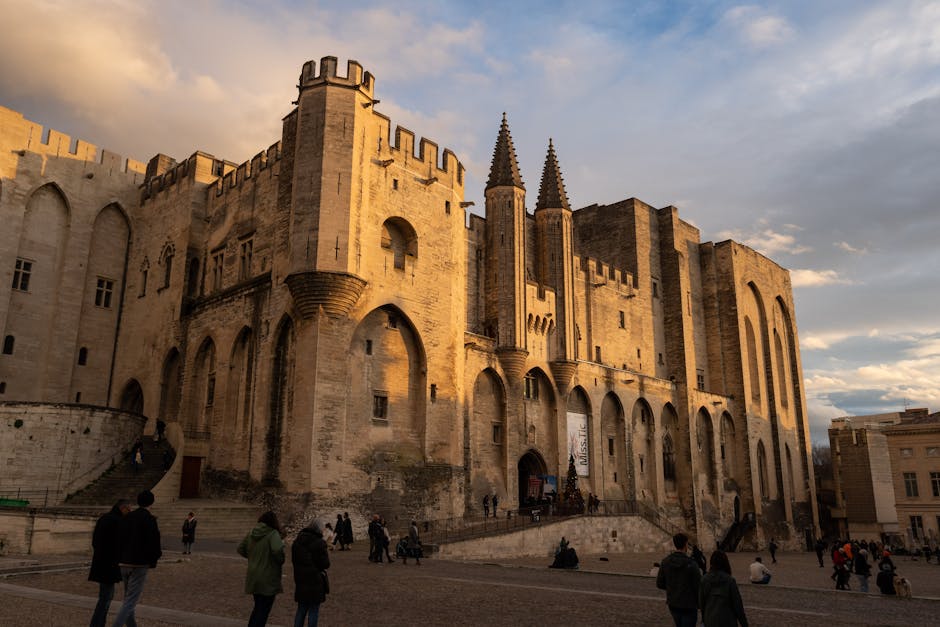
Arles and the Camargue: local music, farandoles and Arlésienne costume
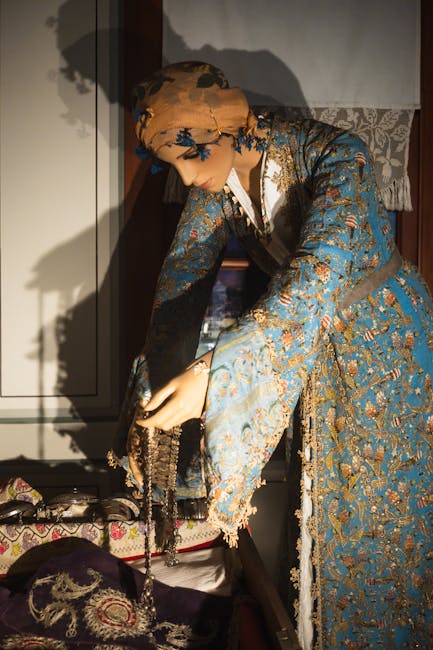
Arles is a major gateway to Provençal traditions. Local music and dance are alive here, carried by associations and village festivals. Start your route at the Museon Arlaten (traditional Camargue museum), a key institution for Provençal heritage: Museon Arlaten – Place de la République, 13200 Arles. Opening hours: open Tuesday to Sunday, 10:00–18:00 (closed Monday). Admission: full price €7.50, reduced €5.00 (youth, seniors). The museum displays Arlésienne costumes, instruments and audio archives. Don’t miss the section dedicated to the Arlésiennes and their headdresses, with showcases and mannequins in period costume.
Nearby, catch demonstrations and workshops at the Conservatoire Départemental des Musiques et Danses Traditionnelles d’Arles (Conservatoire d’Arles – 6 Rue du Dr Fanton, 13200 Arles). Public class schedule: evenings and Saturdays (check the timetable on site). Prices: one-off workshops €10–25 depending on length. These sessions teach the farandole, the bourrée and region-specific steps. Instructors are often former members of the « Compagnie Folklorique d’Arles. »
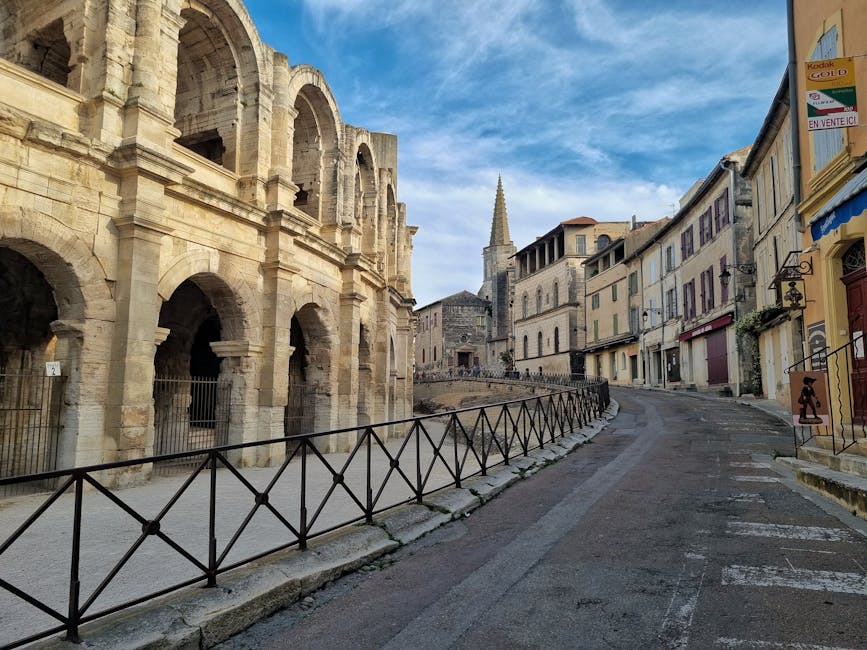
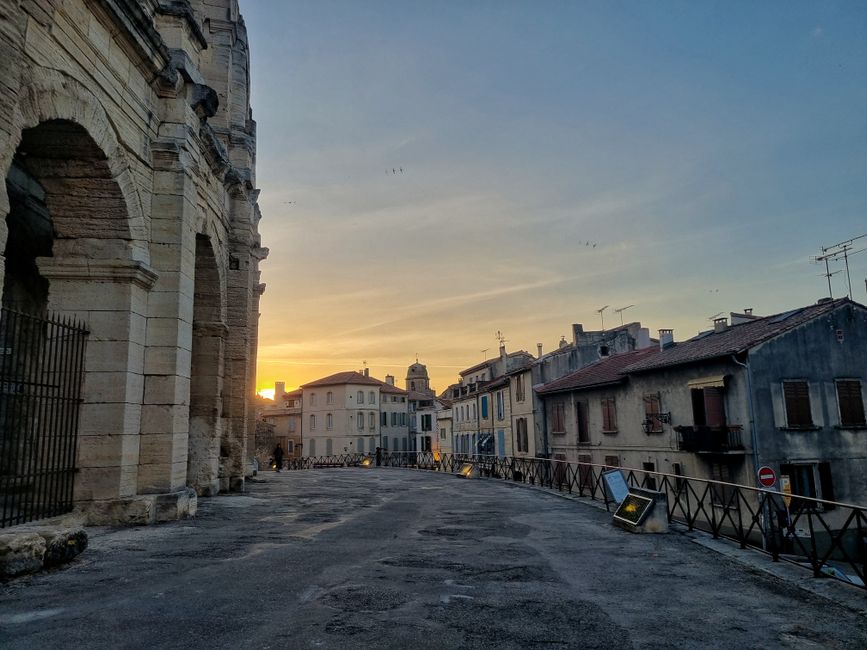
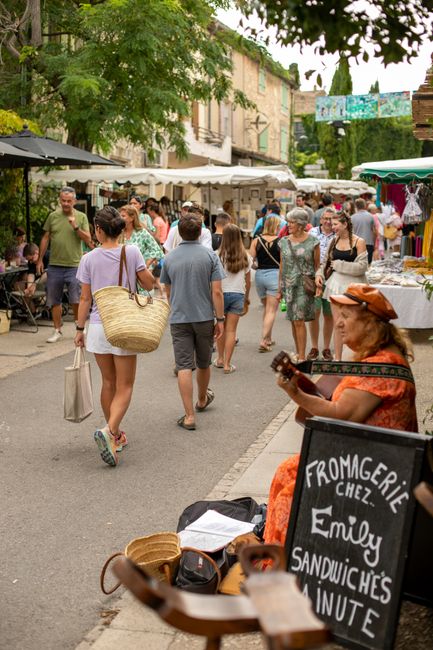
For a spectacular evening, book a show at the Théâtre Antique d’Arles (Théâtre Antique, Place de la République, 13200 Arles) during summer festivals. Performances of traditional music, often part of broader programs, offer an unforgettable historical backdrop. Tickets: variable (€8–40 depending on the program). Arles’ weekly markets (Place du Forum and Rue de la République) are also places where musicians and dancers improvise lively scenes, especially on Saturday mornings.
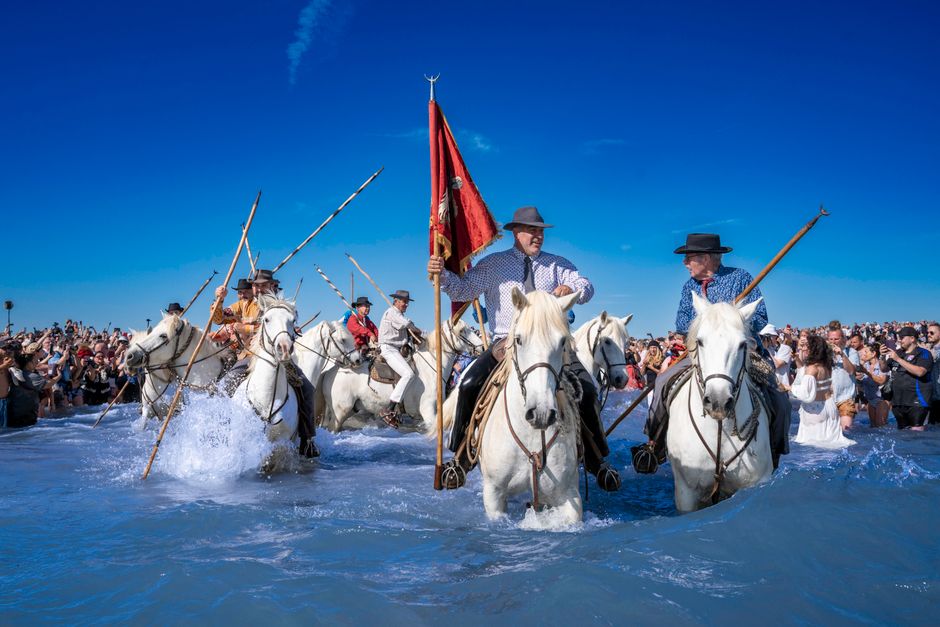
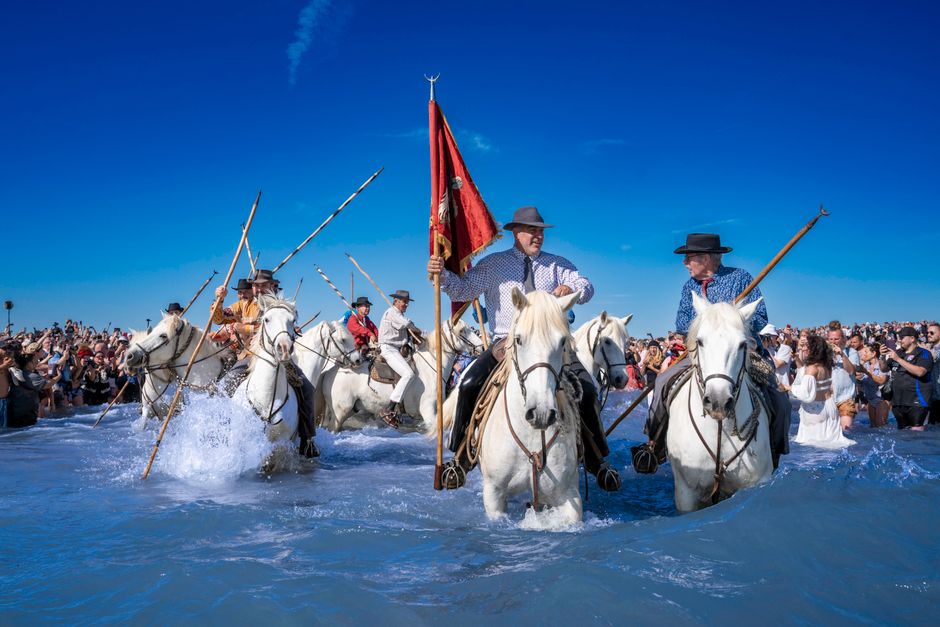
Take a trip into the Camargue to meet the gardians and hear the traditional songs of the manade. Useful address: Musée de la Camargue – Parc naturel régional de Camargue, Route de la Capelière, 13200 Arles. Opening hours: open daily, 10:00–18:00 (hours may vary off-season). Admission: €6 full price, €4 reduced. Exhibitions combine music, gardian costumes and agricultural tools. Local tip: visit the Camargue at sunset to hear gardian stories and songs and to see the working costume (jacket, hat and belt) worn during the Sainte-Émilie ceremonies.
Avignon and the festivals: stages, live performance and transmission
Avignon is synonymous with theatre and festivals, but the city is also fertile ground for Provençal music and dance. The Festival d’Avignon (Festival d’Avignon – Place du Palais, 84000 Avignon) takes place each summer — usually in July — with hundreds of shows, including programs that blend traditional repertoire with contemporary creations. Tickets: €6 (street shows) up to €80 (major productions). Box office and schedules: Place du Palais and online, daily programs vary. Tips: buy tickets weeks in advance for the most sought-after shows. Check out the « off » festival for popular, often cheaper performances.
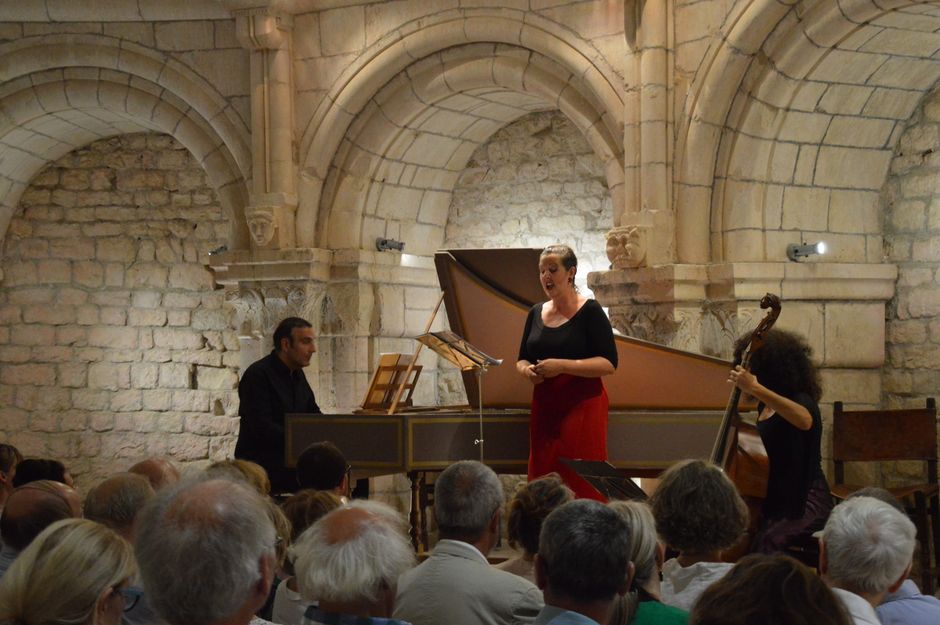
For specifically Provençal music, visit the Centre de Musique Trad-Contemporaine d’Avignon (International Centre for Music and Dance in Avignon – 14 Boulevard Raspail, 84000 Avignon). This venue programs concerts, artist residencies and public workshops. Prices: concerts €10–25, workshops €15–30. The « Music and Heritage » events offer guided listening sessions to instruments like the galoubet and tambourin.
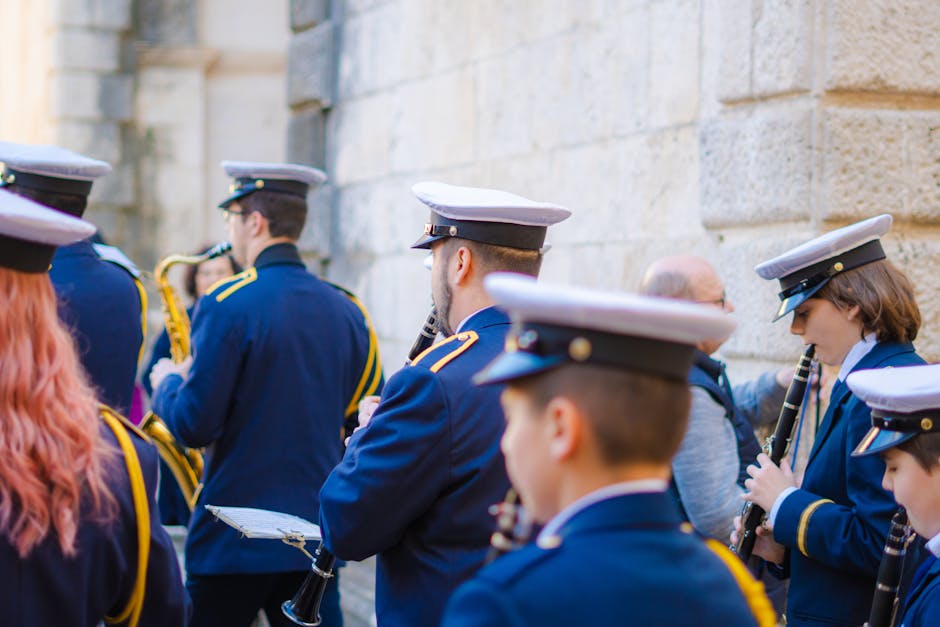
Another highlight: Provençal Days and the votive festivals in Avignon and surrounding towns (for example Châteauneuf-du-Pape, Sorgues). These local festivities often include costumed parades, open-air dance halls and artisan markets focused on costume. Practical example: Fête Votive de Sorgues (Place Jean Jaurès, 84700 Sorgues), generally in August, with free activities, dances and demonstrations. Practical tips: bring water and a hat — many events run outdoors during the day.
Costume arts: workshops, shops and museums where you can touch Provençal fabric
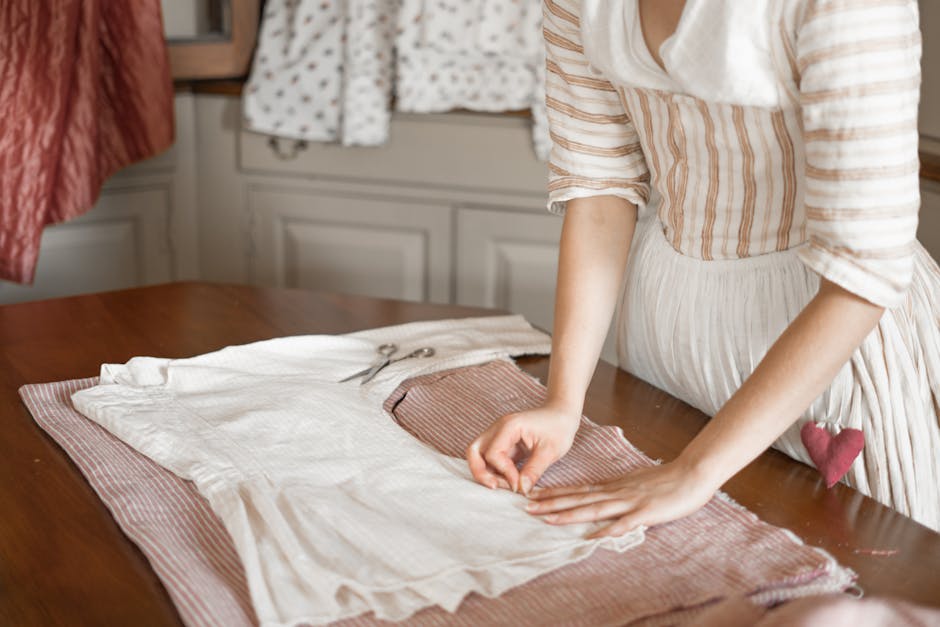
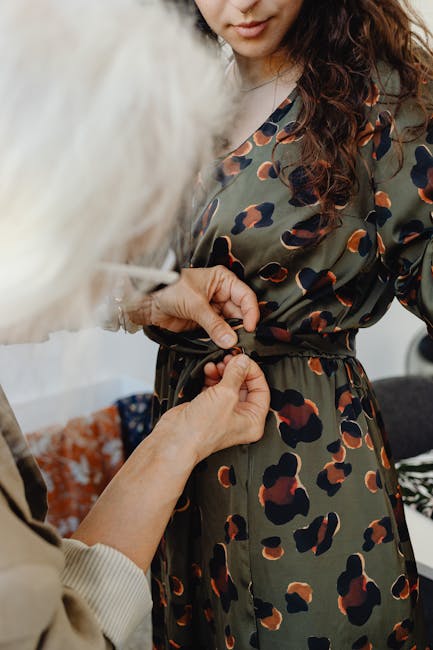
Understanding Provençal culture also means touching and studying the costumes. Several places let visitors learn sewing, embroidery and weaving techniques. In Arles, the Maison de la Costumérie workshop (Maison de la Costumerie – 12 Rue des Porcelets, 13200 Arles) offers guided tours and introductory workshops. Hours: visits by appointment, workshops Wednesday and Saturday afternoons. Prices: guided tour €8, workshop €25–45 depending on length. You’ll learn to identify fabrics (linen, velvet, gold embroidery) and to assemble an Arlésienne headdress under the supervision of artisans.
In Avignon, the Maison du Costume Provençal (Maison du Costume Provençal – 28 Rue Joseph Vernet, 84000 Avignon) preserves civil and religious pieces. Opening hours: Tuesday to Sunday, 10:00–17:30. Admission: €5 full, €3 reduced. Temporary exhibitions show how forms and uses evolved: how a ceremonial skirt differs from workwear, or how headdresses vary with age and marital status.
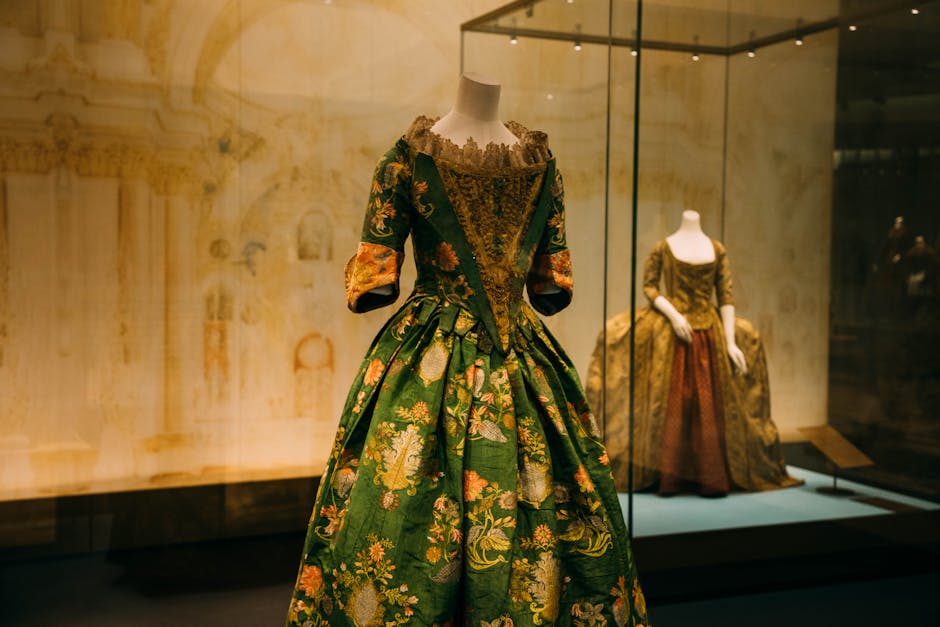
For buying or renting a traditional costume, several ateliers offer made-to-measure creations or rentals for events. Example: Atelier Costumes et Tradition – 45 Rue Gambetta, 13200 Arles. Opening hours: Tuesday to Saturday 9:30–12:30 and 14:00–18:00. Prices: simple costume rental €45 per day, full Arlésienne costume €120 per day, custom-made from €300 (estimate). Local tip: reserve rentals several weeks ahead and specify the intended use (parade, show, wedding) to get the right fit.
Practical tips, etiquette and the best seasons for a successful immersion
To fully enjoy Provençal music, dance and costume, keep a few rules and tips in mind. Best seasons: late May to September is richest for festivals and votive fêtes. March–April and October are good for quieter workshops and museum visits without the crowds.
- Photography and respect: always ask permission before photographing someone in costume, especially elders or participants in religious ceremonies. A small donation or buying a souvenir is appreciated.
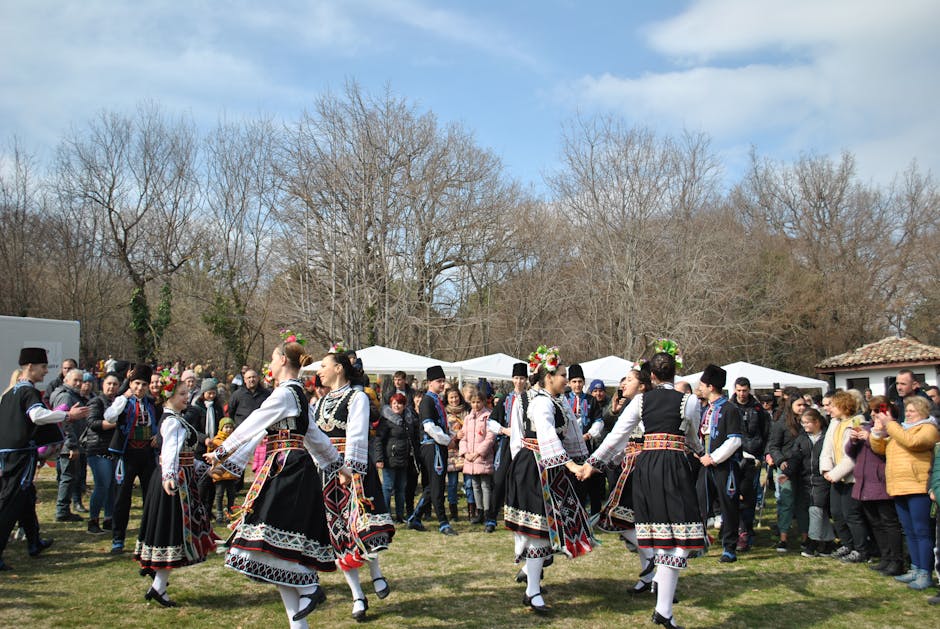
- Joining the dances: if you want to join a farandole, wait for an invitation or watch the rhythm for a few minutes before stepping in. Wear closed, comfortable shoes — cobblestones and stone floors are common.
- Budget: expect €5–30 for a workshop, €6–12 for small museums, €45–120 to rent a costume. Major festivals have variable prices (€6–80 per show).
- Language: many guides speak French; for English presentations, check the schedule or ask in advance. Bring a glossary of traditional terms (galoubet, tambourin, arlésienne, farandole) to get more from the explanations.
- Transport: Arles, Avignon and Nîmes are served by train (Arles station – Place du 11 Novembre, 13200 Arles; Avignon Centre station – Place de l’Horloge, 84000 Avignon). Renting a car makes access to manades in the Camargue easier.
Conclusion
Provence is best discovered through its sounds, steps and fabrics. This guide offered a concrete route — museums, workshops, festivals, addresses and prices — to understand and live the region’s musical and choreographic traditions. Arles and the Camargue give a powerful glimpse of vernacular music and Arlésienne costume; Avignon opens up multiple stages where the traditional dialogues with the contemporary; workshops and artisans let you touch, wear and learn the techniques behind Provençal costume.
Traveling to Provence for its traditional culture requires curiosity and respect: ask permission before photos, book workshops and costume rentals in advance, and take time to listen to curators and artisans’ explanations. The prices shown give a realistic idea of the budget needed to take part in workshops, visit museums or rent a costume for a day. For a full immersion, plan several days (at least 3–5) so you can combine shows, workshops and museum visits without rushing.
Finally, remember that Provençal tradition is not frozen: it lives in village fêtes, in new artistic creations and in locals’ attachment to their heritage. By respecting local codes and participating kindly, you’ll leave not only with pictures and sounds but with a deep understanding of a culture that has blended history and modernity. Safe travels and joyful discoveries to the rhythm of the galoubet and the farandoles of Provence.