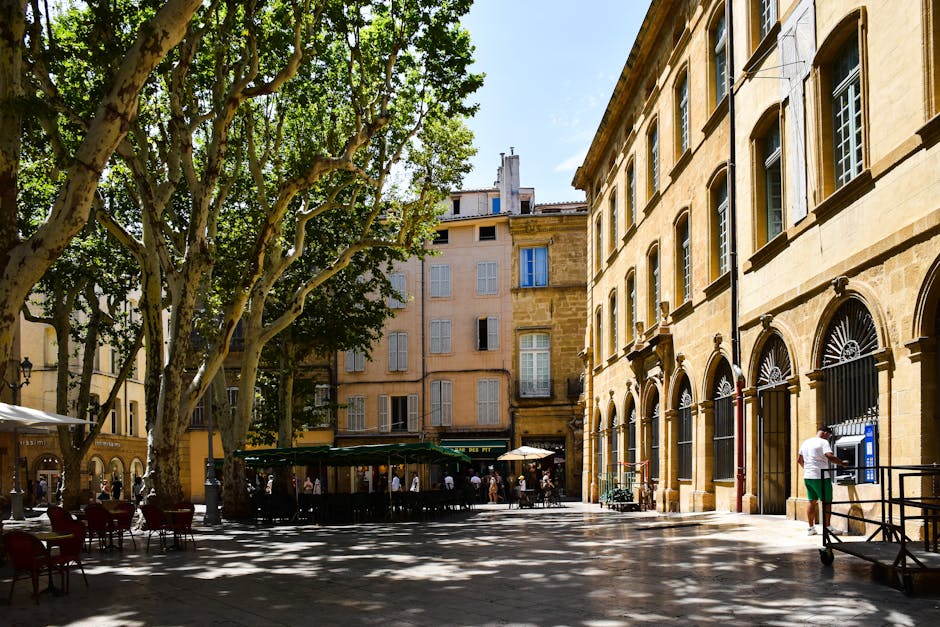






Introduction — Preparing your documents for a trip to Provence
Traveling to Provence means vineyards, calanques, lavender fields and perched villages where the French art of living truly shines. But before you sip coffee on Aix-en-Provence’s Cours Mirabeau or hike through the Calanques National Park, there are administrative details to sort out: passport, insurance, driving licence and other essential paperwork. This practical guide walks you step by step through preparing your trip to Provence, whether it’s a short weekend, a one- to two-week stay, or a longer visit or temporary move.

Provence sits in southeast France and covers several departments (Bouches-du-Rhône, Vaucluse, Var, Alpes-de-Haute-Provence). Depending on your nationality, the nature of your trip and planned activities (driving, working, renting a vehicle, scuba diving), the list of required documents may vary. European travellers generally use a valid national ID card to enter France, while non-EU nationals must present a valid passport. In addition, it’s strongly recommended to take out travel/repatriation insurance and, where relevant, trip cancellation insurance if you book non-refundable arrangements.
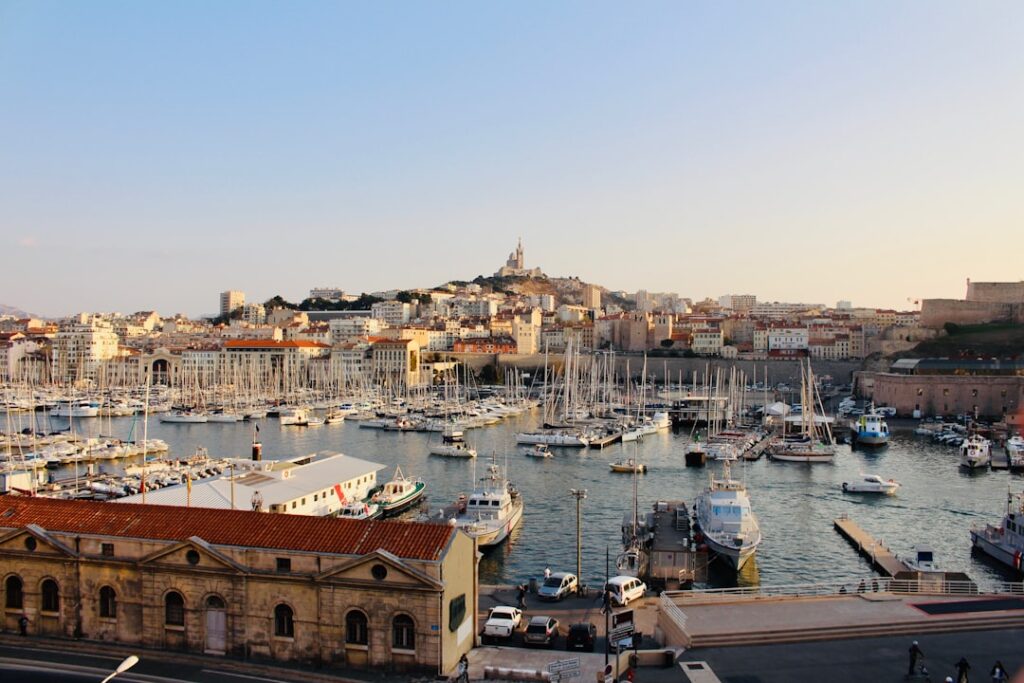
This guide covers: identity formalities (passport, ID card), essential insurance (health, repatriation, liability), practical papers to have in Provence (rental contract, international driving permit), useful addresses (airports, train stations, tourist offices, hospitals) with opening hours and indicative fees, plus local tips to avoid administrative pitfalls. You’ll also find concrete recommendations to travel with peace of mind: photocopy templates, secure digital backups, apps and emergency contacts.
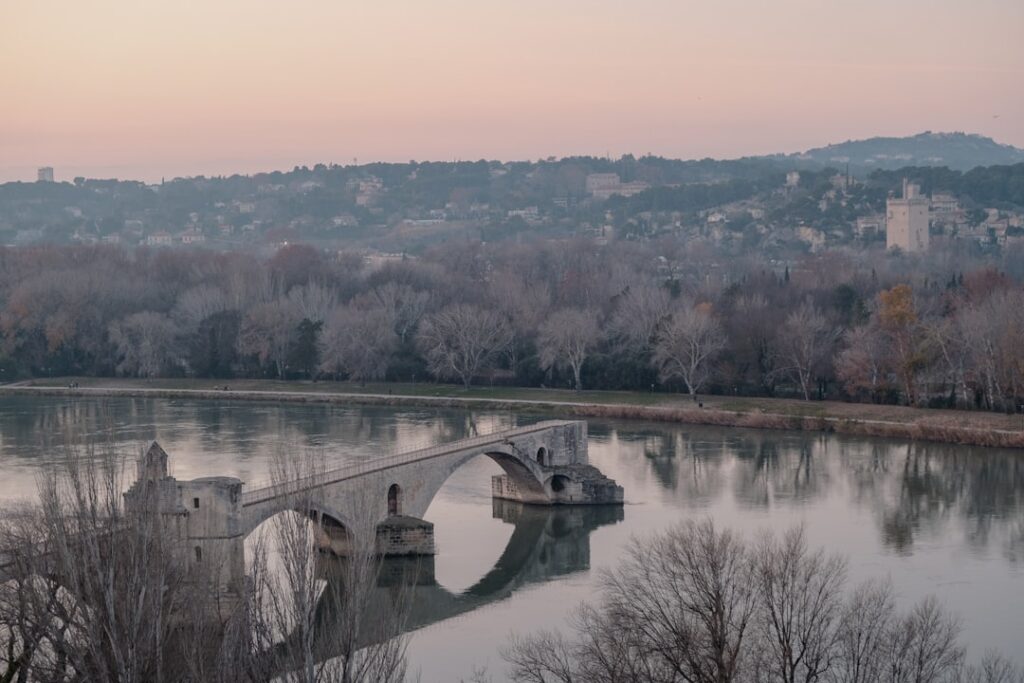
Whether you arrive via Marseille Provence Airport, Avignon TGV station, or by road, preparing your documents in advance will let you enjoy Provençal markets, wine tastings and hikes without stress. Read each section carefully and adapt the advice to your situation: solo traveller, family holiday, car rental trip or business travel. Practical info includes prices in euros, typical service hours and precise addresses to make your on-the-ground procedures easier.
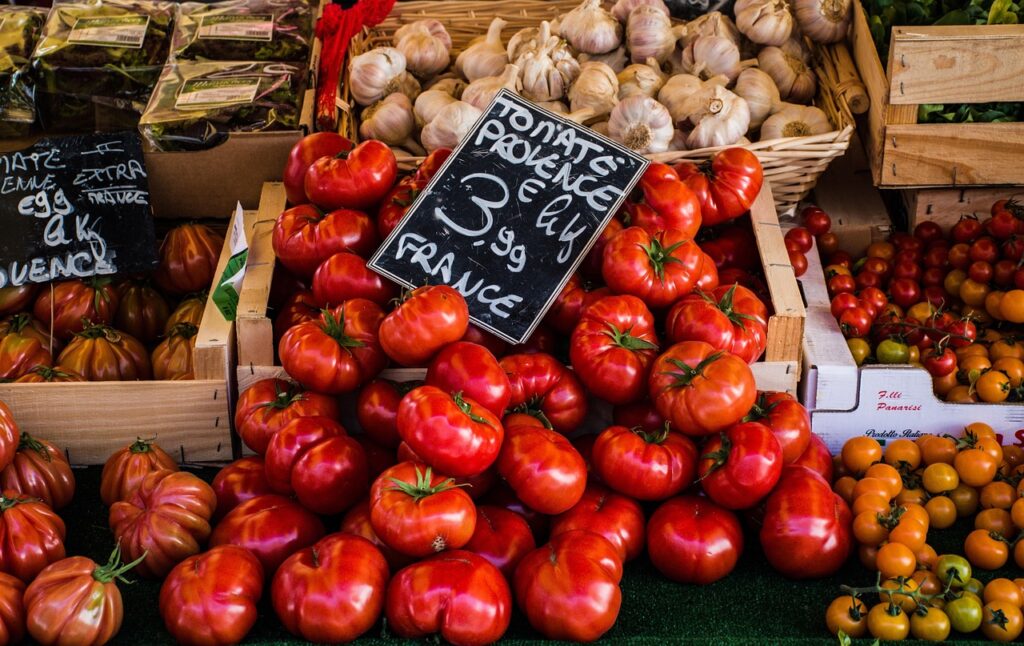
Identity documents and pre-departure formalities
The first step when preparing a trip to Provence is to check your identity documents. For French citizens, the national ID card (CNI) is sufficient for domestic travel, though a passport can be useful for onward travel. For European nationals, a valid national ID card is usually accepted. For non-European travellers, a passport is mandatory and should be valid for at least the duration of your stay; some nationalities are advised to have residual validity (6 months recommended). Also check the visa pages if you expect stopovers outside the Schengen area.
- French passport (processing time and cost): the fee for an adult biometric passport is around €86 (tax stamp), with processing times varying (from a few days to several weeks depending on season and municipality). To apply or renew, go to a town hall equipped with a collection device. Example locations: Hôtel de Ville de Marseille, 2 Place Jules Verne, 13000 Marseille (opening hours and appointment requirements vary by arrondissement).
- National ID card: renewals are often free in some cases—check your town hall for specifics.
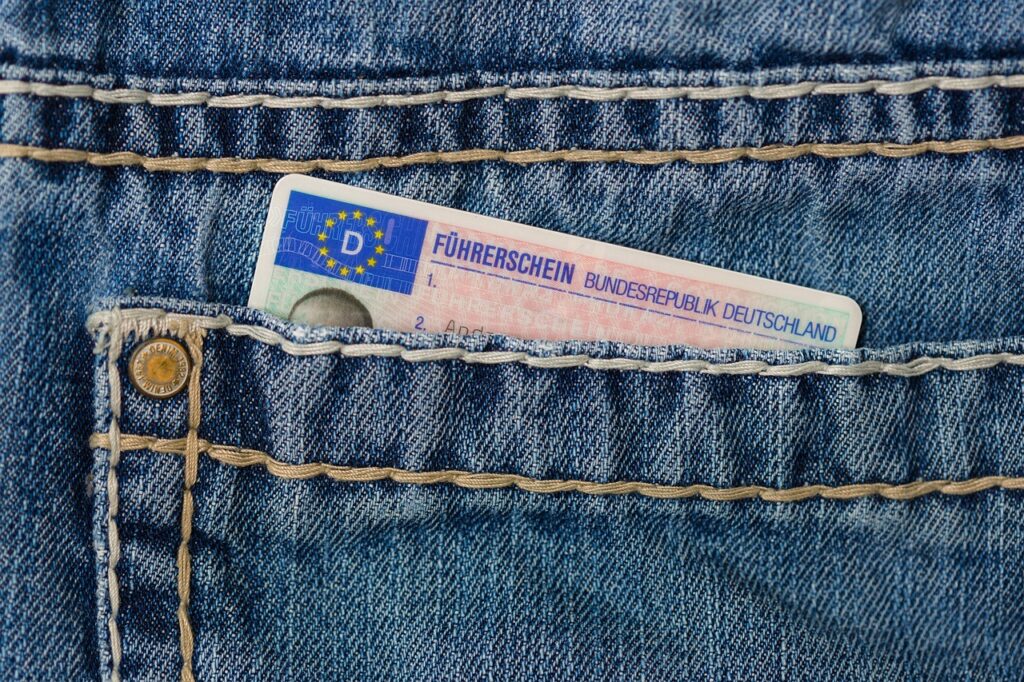
- Driving licence: a national driving licence allows you to drive in France if you are an EU citizen; otherwise, some rental agencies may require an international driving permit. You can apply for an international licence at the prefecture or via the official portal—often free or low cost depending on the department.
Before you leave, make color photocopies of essential documents (passport, ID card, driving licence, bank card, insurance contract). Keep an encrypted digital copy on your smartphone and another in the cloud (Google Drive, Dropbox) accessible in case of loss. Also consider registering your trip with your country’s consular registry or foreign affairs alert service (e.g. “Ariane” for French nationals): this allows authorities to contact you in an emergency (disaster, crisis).
Practical tips: check document expiry dates at least three months before departure, anticipate administrative delays (summer holidays can lengthen processing times), and arrange a travel authorisation for minors if you’re travelling with children who are not accompanied by both parents (exit authorisation form where required). Always carry a paper copy of your embassy/consulate contact details in France.
Travel, health and car insurance: what to buy and why
Insurance is one of the most important aspects for a worry-free trip to Provence. Even though France has high-quality medical services, medical repatriation or emergency assistance costs can be high for non-covered travellers. Here are the insurances to consider depending on your profile:
- Health and repatriation insurance: essential for non-residents. Prices vary; a short-stay policy (7–15 days) often starts around €15–30 per person, while comprehensive coverage for several weeks can cost €50–120. Example providers: Allianz Travel, AXA Assistance, Chapka (prices vary by age and coverage).
- Trip cancellation insurance: if you’ve prepaid non-refundable accommodation (hotel, holiday rental), cancellation coverage protects against force majeure. Typical rates: 5–7% of the total trip cost.
- Car rental insurance: most rental companies include basic coverage, but deductibles can be high (often €800–1,500). To reduce risk, opt for a reduced deductible or additional coverage (super CDW) at around €10–25 per day depending on the vehicle. Common agencies: Europcar (Marseille Provence Airport, 13727 Marignane), Hertz (Avignon TGV station), Sixt (city locations).
- Personal liability insurance: usually included in residents’ home insurance, but travellers should check coverage for damage to third parties. Specific insurance is recommended for high-risk activities (diving, via ferrata, mountain biking).

Useful addresses for purchasing or getting advice locally:
- AXA Assistance – Marseille agency: 51 Boulevard Eugène Pierre, 13003 Marseille. Opening hours: Monday to Friday 9:00–17:00. (Appointments recommended)
- Europ Assistance France – Regional office: 8 Avenue du Prado, 13008 Marseille. Hours: 9:00–18:00 on weekdays.
Concrete advice: read exclusions carefully (risky sports, alcohol, professional use), keep all medical receipts and supporting documents if you need to file a claim, and save international assistance numbers before you go. For car trips, photograph the vehicle at pick-up and drop-off (condition reports) to avoid disputes with the rental company.
Practical papers in Provence: accommodation, rental, health and safety
On site, certain documents and steps will make your stay smoother. Whether you’re in a hotel, village house or gîte, always keep close at hand: the rental contract or reservation confirmation (printed email), ID, proof of insurance and emergency contact details. Here are useful addresses and specific information for Provence:
- Marseille Tourist Office: 9 La Canebière, 13001 Marseille. Hours: daily 9:00–18:00 (seasonal hours may vary). Services: maps, activity bookings, practical information. Fees: information is free; excursions are paid depending on the activity.
- Aix-en-Provence Tourist Office: 41 Cours Mirabeau, 13100 Aix-en-Provence. Hours: 9:00–18:00 on weekdays, 10:00–17:00 on weekends (hours may vary).
- Avignon TGV & Avignon Centre stations: Avignon TGV, Boulevard Richard Strauss, 84000 Avignon (station hours: 4:30–01:00 depending on train schedules). Tickets: fares vary, bookings recommended for summer.
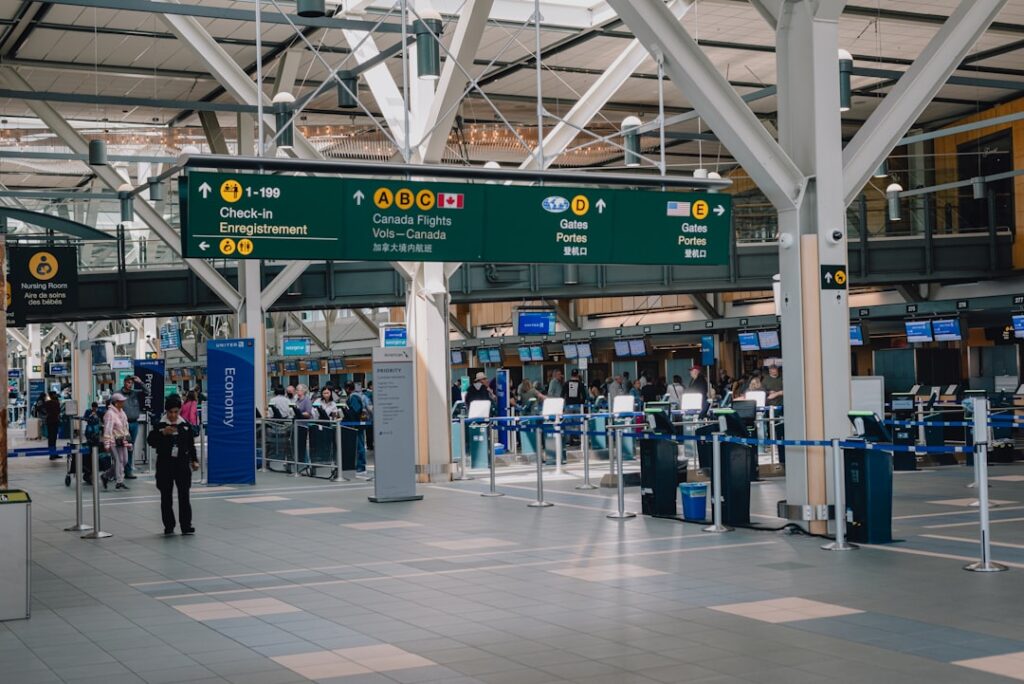
- Marseille Provence Airport: Aéroport Marseille Provence, 13727 Marignane. Open 24/7 depending on flights. Car rental desks: Europcar, Hertz, Sixt (counters in arrivals hall). Transport: shuttles and taxis available outside.
- Hôpital de la Conception: 147 Boulevard Baille, 13005 Marseille. Emergency department open 24/7. (If you have insurance, contact assistance before non-emergency hospitalisations.)
For holiday rentals, always insist on a written contract that specifies cancellation terms, an inventory of fixtures and the security deposit amount. Reputable owners will ask for ID and a signed contract. In town, always ask for a receipt for any cash payments. B&B and guesthouse prices in Provence typically range from €70–150 per night for a double room, depending on season and location (higher on the coast in summer).
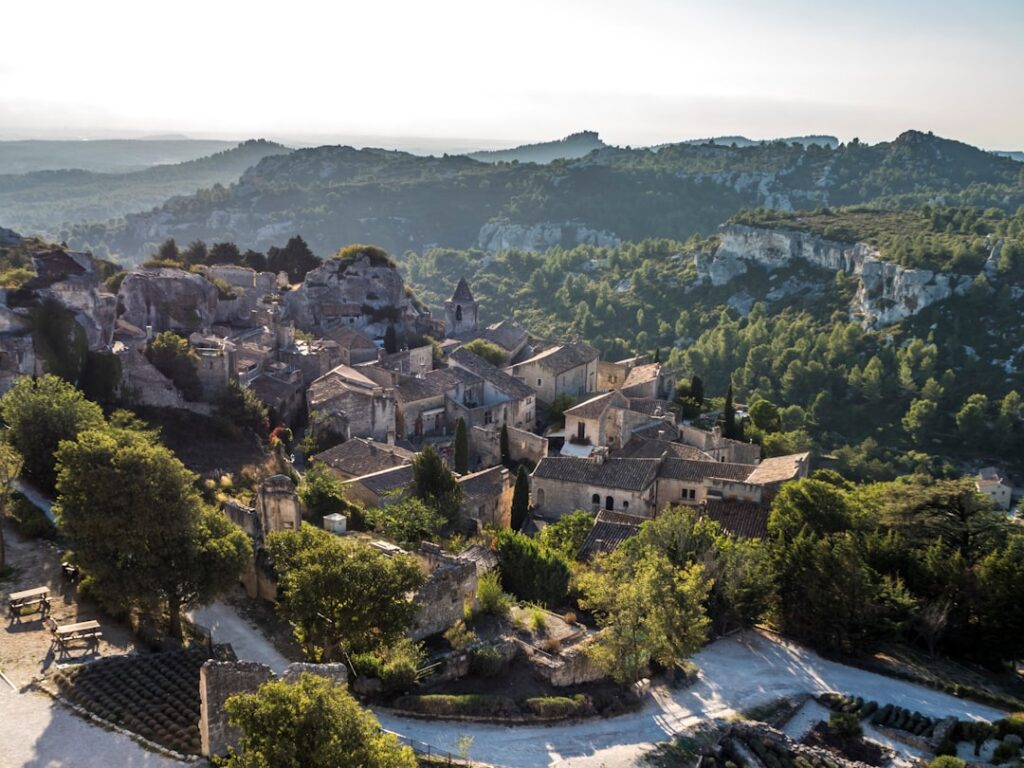
If you take part in regulated activities (scuba diving, guided hikes, boat trips), bring your certifications (PADI/CMAS diving certificate) and proof of liability insurance. Finally, adapt your paperwork by season: in summer, carry parental authorisations for minors for sea crossings; in winter, check that your insurance covers snow-related risks if you plan to head into the Ubacs or the Alpes-de-Haute-Provence.
Local tips, useful addresses and procedures on site
Knowing a few local contacts and administrative habits makes life much easier in Provence. Here’s a selection of practical addresses, numbers and tips to act quickly if needed, plus ways to save time and money:
- Embassy/Consulate: if you’re a foreign national, find the nearest consulate (in Paris or Marseille) and register your contact details. For example, the Italian Consulate General in Marseille is at 14 Rue Grignan, 13001 Marseille (hours vary, appointments online).
- Central police station – Marseille: Commissariat central, 8 Boulevard Rabatau, 13016 Marseille (hours depend on staffing; emergencies call 17 or 112 across Europe).
- On-call pharmacy: check the website or noticeboards on pharmacy doors in town centres. Pharmacies generally open 9:00–19:00, with night duty services for emergencies.
- Car rental – Europcar Airport: Marseille Provence Airport, 13727 Marignane. Desk hours: 6:00–23:00 depending on season. Tip: book early to get off-season rates of €35–60/day.
- Main post office – Avignon: La Poste, Place de l’Horloge, 84000 Avignon. Hours: 9:00–17:00 (some branches closed Saturdays).
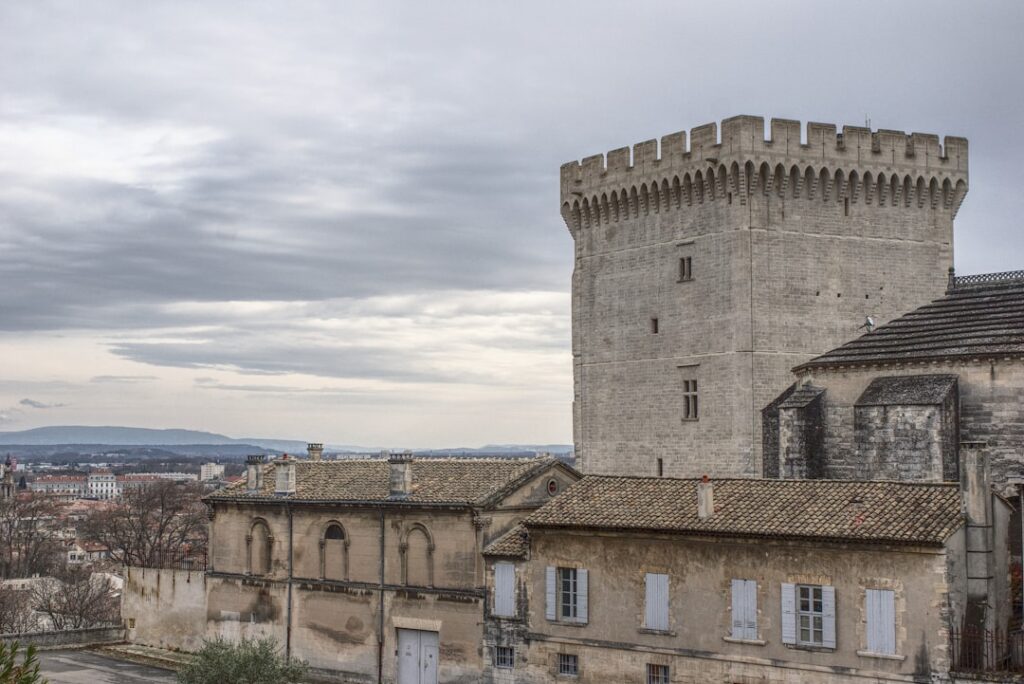
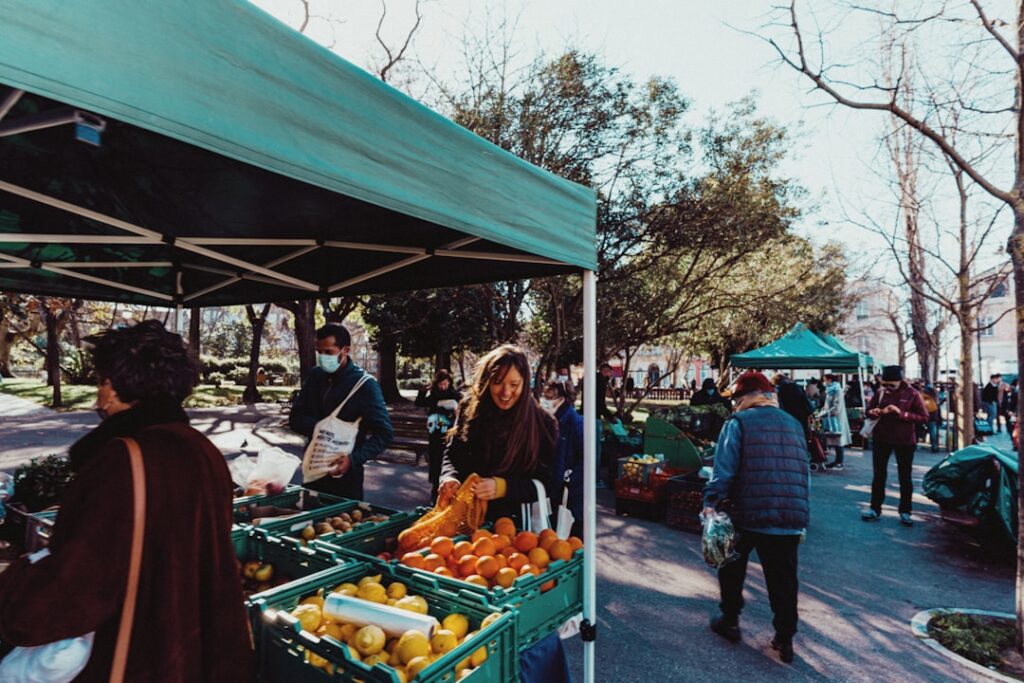
Practical points: if you lose your bank card, block it immediately through your bank’s app or by calling the emergency number on the back of the card. Many shops accept contactless payments, but in small villages it’s useful to have cash on hand (about €50–100) as a reserve. Provençal markets start early (often 7:00–13:00) and are a great way to sample local produce: fruit, olives, cheeses and olive oil.
For administrative tasks on site (document renewal, certificates), town hall hours vary: for example, Aix-en-Provence Town Hall, Place de l’Hôtel de Ville, 13100 Aix-en-Provence (hours: 8:30–17:30 weekdays; some services by appointment). Prefectures handle more complex formalities: check online and book an appointment to avoid queues.
Conclusion — Travel with confidence in Provence: final checklist and recommendations
Preparing for a trip to Provence takes a bit of planning, but the payoff is time well spent: less stress, more time to enjoy the landscapes, markets and Provençal lanes. In short, start by verifying the validity of your ID documents (passport, ID card, driving licence), make paper and digital copies, and register with your country’s alert services. Purchase health/repatriation insurance suited to the trip length and planned activities, and consider extra coverage if you’re renting a car.
Before you leave, print or save locally: accommodation confirmations, car rental bookings, insurance policies and emergency numbers (consulate, assistance). Also pack a basic first-aid kit, bring translated prescriptions if needed, and keep the contact details of the nearest hospital handy in case of emergency (e.g. Hôpital de la Conception, 147 Boulevard Baille, 13005 Marseille, emergency services 24/7).

While in Provence, follow local best practices: ask for receipts for cash payments, take photos of inventory for any rental, and prefer email exchanges to keep written records. If an incident occurs (lost documents, accident), contact your insurance assistance first to report the claim, then notify local authorities depending on the issue (police for theft, gendarmerie for accidents, medical services for injury).
Finally, remember that Provence is meant to be savoured slowly: between administrative checks and practicalities, treat yourself to a terrace in Aix-en-Provence, a swim in a Cassis calanque or a stroll through the Alpilles. With your documents in order and the right insurance in place, you’ll fully enjoy the Provençal way of life—its colours, fragrances and warm hospitality.