





Introduction: Schengen Visa and Provence in 2026 — what to know before you travel
Provence draws millions of visitors every year with its luminous landscapes, hilltop villages, lavender fields and renowned cuisine. In 2026, traveling to Provence still means one key step for many visitors: sorting out a Schengen visa or checking whether you’re visa-exempt. This practical, hands-on guide is aimed at travelers planning a trip to Provence (the Provence-Alpes-Côte d’Azur region and the historic territories of Provence) who want to understand the rules, the procedures, the costs, local help points and practical tips to avoid unpleasant surprises.
A short-stay Schengen visa (type C) lets you move freely within the Schengen Area, including departments in Provence — Bouches-du-Rhône (Marseille, Aix-en-Provence, Arles), Vaucluse (Avignon), Alpes-de-Haute-Provence and Var (Toulon, Saint-Tropez). General rules are set by the Schengen agreement and enforced by the embassies and consulates of member countries. Still, travelers should also be aware of Provence-specific practicalities: preferred entry points (airports and train stations), useful addresses in case of visa issues, emergency extension options, local costs to anticipate (travel health insurance, proof of funds) and opening hours for appointments or document submissions.
This guide will explain in detail:
- Who needs a Schengen visa to visit Provence in 2026 and who is exempt;
- The typical documents required, including travel insurance, proof of accommodation and proof of funds;
- How and where to book appointments (embassies, outsourced centers like TLScontact / VFS Global) and what to do if your application is refused;
- Local practical tips: useful addresses in Provence for arrival, tourist office opening hours, police stations, hospitals, and contacts for assistance to foreigners;
- Estimated visa-related budgets and administrative expenses in 2026, plus recommendations to avoid application scams.
Administrative details (fees, processing times) can change: the standard fee for a short-stay Schengen visa was €80 for adults under the rules in 2024. Adjustments may be announced by the European Union or national consulates before 2026; this guide points to the sources and addresses you should check before submitting your application. We’ll also include local tips — for example, how to quickly get a proof of accommodation in Aix-en-Provence, where to get documents translated in Marseille, or how to contact the French Office for Immigration and Integration (OFII) if you need to extend your stay for medical or humanitarian reasons.

1) Who needs a Schengen visa to visit Provence in 2026 and which exemptions apply
The first step is to determine whether you need a visa to enter France and travel around Provence. As a rule, anyone who is not an EU/EEA or Swiss national must check entry requirements. Citizens of the European Union, the European Economic Area and Switzerland do not need a visa to enter France. Many countries benefit from short-stay (tourist) exemptions — 90 days in any 180-day period — including the United States, Canada, Japan, Australia and others. Exact exemption lists are published by the French Ministry of Foreign Affairs and EU services; before 2026 it was essential to check the updated list on the France-Visas website (https://france-visas.gouv.fr).
If you are not exempt, you must submit a Schengen short-stay visa application to the consulate or visa application center of the country representing France in your place of residence or nationality. The most common visitor categories in Provence are tourists, family visitors, business travelers and attendees of cultural events. Unaccompanied minors have specific rules: legalized parental authorization and copies of parents’ identity documents are often required.
For stays longer than 90 days, you must apply for a residence permit (long-stay visa). Long-stay visas are handled differently: initial entry is with a long-stay visa issued by the French consulate in your home country, then renewal/regularization is processed at the relevant prefecture in France (see the section on local procedures in Provence). In emergencies (unexpected medical treatment in Avignon or Marseille, for example), specific procedures can be launched with local authorities and hospitals; contacting your embassy is recommended.
Practical tips:
- Check your status at least 90 days before departure. Average appointment waits in high season (May–September) can exceed a month.
- Consult France-Visas and the French consulate website in your country for the exact document list and application forms.
- Note the difference between a short-stay Schengen visa and a national (long-stay) visa. For stays longer than 90 days in Provence (study, work), you’ll need a national visa and a prefecture appointment once you’re in France.
2) Required documents, fees and travel insurance — full 2026 checklist
A Schengen visa application requires a complete file. Here’s the usual list of documents, with practical notes for Provence in 2026. Consulates may ask for additional documents depending on your personal situation.
- Completed and signed application form: available online at France-Visas and/or the local appointment center website (TLScontact, VFS Global).
- Valid passport: valid for at least 3 months after the planned date of departure from the Schengen Area and containing at least two blank pages.
- Recent passport photos: compliant with biometric standards (35 x 45 mm).
- Travel insurance: medical coverage and repatriation of at least €30,000 (a commonly stated minimum). Make sure the policy covers France and other Schengen countries for the entire stay. Indicative price: short-term travel insurance can cost between €15 and €60 depending on age and coverage (prices 2024–2026 for reference).
- Proof of accommodation: hotel reservations or a certificate of accommodation (attestation d’accueil) listing the exact address and host name. Example of an attestation: Aix-en-Provence Town Hall, Civil Status Office, 1 Place de l’Hôtel de Ville, 13100 Aix-en-Provence (hours: Monday–Friday 09:00–12:00 and 13:30–17:00; fees vary by municipality).
- Proof of financial means: bank statements for the last 3 months, employer letters showing salary, traveler’s cheques or credit cards. There’s no uniform minimum for a short stay, but you must demonstrate you can cover the stay in Provence. Practically, budget at least €50–€100 per person per day as a guideline.
- Round-trip ticket or proof of means to leave the Schengen Area: return flight booking to Marseille Provence Airport, Nice Côte d’Azur Airport, or train ticket if returning by rail.
Fees and administrative costs:
- Schengen visa fee (short stay): standard adult rate: €80 (amount in force in 2024; subject to change). Children 6–12 years: €40; children under 6: free. Verify current fees with the consulate before payment.
- Service fees: outsourced centers (TLScontact, VFS Global) charge extra fees for appointment booking and file handling, often between €25 and €40 depending on the country and provider.
- Travel insurance: €15–€60 depending on coverage and duration.
Practical tips for Provence:
- Book refundable accommodation: consulates often accept a confirmed hotel reservation; for Provence, consider popular options like Hôtel de France, 86 Cours Mirabeau, 13100 Aix-en-Provence (example), or Hôtel La Résidence du Vieux-Port, 1 Quai du Port, 13002 Marseille (check availability and cancellation policies).
- Copies and translations: make several copies of each document and, if needed, have CERTAIN documents translated by a certified translator (employment contracts, birth certificates). In Marseille, translation services are often located around Rue Saint-Ferréol in the city center.
- Plan for high season: in July–August processing times can lengthen; plan ahead.
3) Where to submit your application and where to get help in Provence — useful addresses and opening hours
General method: initial submission of a Schengen visa is done at the French consulate or an accredited center in your country of residence. However, if you are already in France and face an issue (lost visa, emergency extension request, urgent situation), there are places and services in Provence to guide you. Here is a selection of practical addresses in Provence with opening hours and local tips.
Main entry points to Provence (airports and train stations)
- Marseille Provence Airport — Aéroport Marseille Provence, 13727 Marignane, France. Hours: open 24/7 (main terminals operate according to flight schedules). Services: information desks, car rental, currency exchange. Tip: keep all tickets and proof of customs passage in case of a visa check.
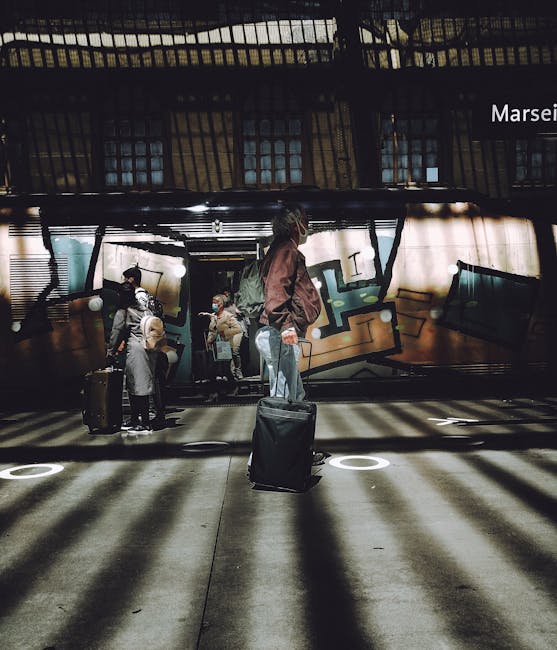
- Marseille Saint-Charles Station — Place Pierre Bérégovoy, 13001 Marseille. Hours: main hall opens early morning until late evening (SNCF ticket counters around 05:00–22:00). Tip: a tourist reception desk is nearby for hotel bookings and local information.
Administrative assistance and prefectures (residence permits, emergency extensions)
- Bouches-du-Rhône Prefecture (Marseille) — Indicative address: 52 Rue Fortia, 13001 Marseille (check the exact address and the official site before going). Hours: usually Monday–Friday 08:30–16:30 (some services by appointment). Services: information on residence permits, regularization, administrative appeals. Tip: book an appointment online and arrive 30 minutes early with complete copies of your file.
- Vaucluse Prefecture (Avignon) — Préfecture de Vaucluse, Place du Palais, 84000 Avignon. Hours: Monday–Friday 09:00–12:00 and 13:30–16:00. Services: residence permits and information for foreign residents in the department.
Help centers for foreigners and emergency contacts
- French Office for Immigration and Integration (OFII) – PACA regional office — Check the official OFII website (https://www.ofii.fr) for addresses and opening hours; appointments for health or social questions are often booked online.
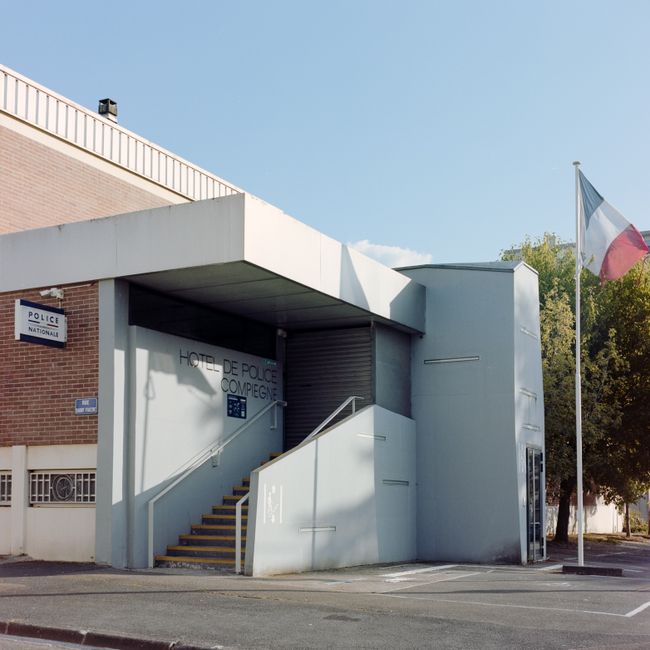
- Marseille Central Police Station — Commissariat Central, 11 Rue Grignan, 13006 Marseille (hours: 24/7 front desk for emergencies). In case of document issues or lost passport, report the loss/theft immediately and contact your embassy.
Practical tips:
- Before visiting a prefecture or police station, check official websites for exact hours and appointment systems.
- Keep digital copies (photos) of your documents in a secure cloud accessible from France.
- For local translations or accommodation certificates: Aix-en-Provence Town Hall, 1 Place de l’Hôtel de Ville, 13100 Aix-en-Provence (hours: 09:00–12:00 / 13:30–17:00 depending on the counter) can provide guidance on accommodation formalities.
4) What to do if your visa is refused, lost, or if you overstay in Provence
A visa refusal or an irregular stay can happen. In Provence, acting quickly, keeping all paperwork and seeking consular assistance are the best steps. Below are clear steps for various scenarios.
If your visa is refused before departure
If the consulate refuses your application, you’ll receive a letter explaining the reasons and indicating whether an appeal is possible. Generally, you can file an administrative appeal (recours gracieux) or take the case to the administrative tribunal in the country where the decision was made. Appeal deadlines are limited (often two months); consult a lawyer specializing in immigration law if needed.
Lost or stolen passport in Provence
If your passport is lost or stolen in Marseille, Aix-en-Provence or Avignon:
- Report the loss/theft immediately to the local police station (e.g., Marseille Central Police Station, 11 Rue Grignan, 13006 Marseille).
- Contact your embassy or consulate to obtain an emergency travel document or temporary passport. The embassy can issue a temporary travel document to return to your home country or to continue travel to a third country.
- Keep all receipts and copies to facilitate the procedure and to prove your efforts in case of a stay control.
Overstaying your allowed stay (overstay)
Staying beyond the permitted duration (90 days in any 180-day period for a short-stay Schengen visa) is punishable: fines, re-entry bans, or even expulsion procedures. If the overstay is due to unforeseeable circumstances (hospitalization, natural disaster), document the situation carefully (medical certificates, attestations). In Provence, contact:
- The OFII for health and administrative assistance;
- The local prefecture (e.g., Bouches-du-Rhône Prefecture) to report your situation and ask for guidance;
- Your embassy for assistance and possible repatriation.
Practical tips:
- Always keep paper and digital copies of your documents and an emergency contact at hand.
- Consider travel legal insurance if your country offers it — it can cover legal advice in disputes over your stay.
5) Local tips for a stress-free stay in Provence — routes, budget and tricks for 2026
Beyond formalities, a successful trip to Provence comes down to logistical planning: transport, lodging, attraction opening times and following local rules. Here are practical recommendations and specific addresses to help you organize a smooth stay without visa-related hiccups.
Sample 7-day Provence itinerary (examples of addresses and opening hours)
- Day 1 — Marseille: explore the Old Port and visit the MuCEM (MuCEM, 7 Prom. Robert Laffont, 13002 Marseille). MuCEM hours: 10:00–18:00 (seasonal). Entrance: around €11–€15.
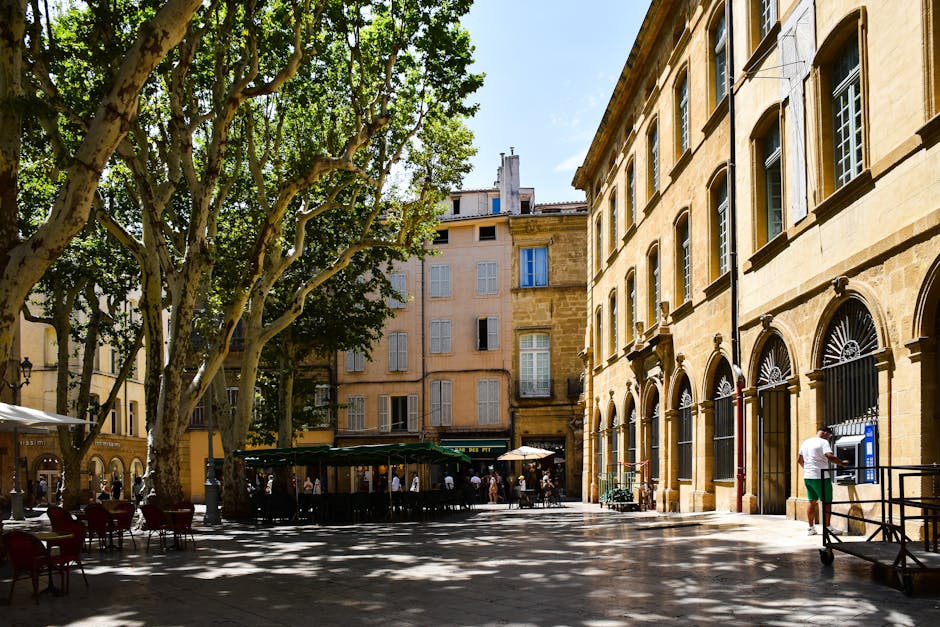
- Day 2 — Aix-en-Provence: stroll the Cours Mirabeau and visit the market. Aix Tourist Office: 6 Place de l’Hôtel de Ville, 13100 Aix-en-Provence. Office hours: 09:30–17:30. Tip: try bouillabaisse at La Cantinetta on the Old Port (address varies) or local restaurants with menus between €20 and €40 per person.
- Day 3 — Luberon & hilltop villages: Gordes (Place de la Mairie, 84220 Gordes), Roussillon and its ochres (Sentier des Ocres, Route d’Oppède). Natural sites are often free; parking typically costs €3–€8 depending on the site.
- Day 4 — Valensole plateau and lavender (in summer): fields around Valensole, 04210 Valensole. Best times: sunrise or sunset. Parking and access are usually free; local markets sell olive oil and lavender products.
- Day 5 — Avignon: Palais des Papes, Place du Palais, 84000 Avignon. Hours: 09:00–19:00 (seasonal). Ticket: around €12–€15.
- Day 6 — Camargue & Arles: Arles Arena, 1 Boulevard des Lices, 13200 Arles. Explore the marshes and watch Camargue horses. Booking a local guide is recommended (€30–€70 depending on duration).
- Day 7 — Côte d’Azur near Provence: Saint-Tropez (Port de Saint-Tropez, 83990 Saint-Tropez). In summer, park outside town and take a shuttle or boat from Toulon or Sainte-Maxime.
Budget and practical tips:
- Transport: rent a car to explore the countryside (compact car rental: €25–€60/day depending on season). Regional TER PACA trains connect Marseille–Aix–Avignon with fares often between €5 and €30 depending on trip and booking.
- Accommodation: 2–3 star city hotels: €60–€120/night; guesthouses and gîtes: €80–€150. Book months in advance for high season.
- Restaurants: average bistro meal: €15–€30; fine dining at a starred restaurant: €80 and up.
- Opening times: most museums and tourist offices open 09:00–18:00; local shops often close for lunch between 12:00–14:30, especially in villages.
Final local tips:
- Respect parking rules in villages (fines are frequent in summer).
- Learn a few French phrases — locals appreciate the effort.
- Always carry a printed copy of your visa and travel insurance during your stay.

Conclusion: preparing your trip to Provence in 2026 — practical summary and reliable resources
In 2026, traveling to Provence requires careful administrative preparation but remains accessible and hugely rewarding. The key is to plan ahead: check whether you need a Schengen visa (or are exempt), assemble a complete file with valid insurance, proof of accommodation and proof of funds, and schedule your appointments well in advance. Usual costs include a visa fee (previously €80 for an adult) and service charges for application centers; also budget for travel health insurance, which is essential.
On the ground, Provence has support networks: prefectures for residence questions, police stations for loss or theft, OFII for health/administrative matters, and tourist offices (e.g., Aix-en-Provence Tourist Office, 6 Place de l’Hôtel de Ville, 13100 Aix-en-Provence) for practical needs. For travelers, knowing your entry points (Marseille Provence Airport, Marseille Saint-Charles Station) and keeping your embassy’s contact details handy are simple but effective precautions.
Finally, remember that rules and fees can change between 2024 and 2026: always check official sites before you apply — France-Visas (https://france-visas.gouv.fr), the French consulate website in your country, and local prefecture pages. If in doubt, contact a specialist (an immigration lawyer or migration adviser) or your embassy. With the right preparation and these local tips, your stay in Provence should go smoothly: from savoring a bouillabaisse to watching the sunset over lavender fields, enjoy the light and gentle pace of Provence with peace of mind.