





Introduction — Why Provence Changes with the Seasons
Provence is a patchwork of landscapes, moods and colours that shift dramatically through the year. Located in southeastern France, it includes a wide range of destinations: historic towns like Avignon and Aix-en-Provence, the bustling ports of Marseille and Cassis, the fragrant plateaus of Valensole, the limestone massifs of the Alpilles and the Calanques, and the wild marshes of the Camargue. Knowing what each season brings in Provence helps you pick the right time to visit depending on your priorities — photography, hiking, tasting local produce, or simply relaxing under the Mediterranean sun.
This practical guide walks you, season by season, through what to expect in Provence: typical weather, must-see spots, signature activities, exact addresses, indicative prices, usual opening hours, and local tips to make the most of your stay. It’s designed for independent travellers and for those planning a more structured itinerary. You’ll find hands-on, immersive information that highlights Provençal culture, markets, nature and cuisine.
Where useful, we list emblematic places with full addresses and approximate current prices in euros, so you can plan concretely: visiting the Palais des Papes in Avignon, strolling the Cours Mirabeau in Aix-en-Provence, taking a boat from the Port of Cassis to the Calanques, or breathing in lavender on the Valensole Plateau. The opening hours shown are generally for high season and may vary (weekly closures or reduced hours off-season), so always check official sites before you travel.
Finally, this guide includes local tips: when to avoid crowds, where to enjoy the best panoramas, which activities to choose during heat or drizzle, and how to get around efficiently by car or public transport. Whether it’s your first trip or you’re a regular, Provence offers a different experience each season — this guide helps you decode that richness to create a memorable visit.
Spring in Provence — Blossoms, Markets and First Warm Days
Spring (March to May) is one of the loveliest times to explore Provence: the weather softens, the countryside turns green, markets wake up again, and cultural sites fully reopen after winter. Expect often sunny days but sometimes chilly mornings and evenings. Average temperatures range from about 10°C to 20°C depending on the month and altitude.
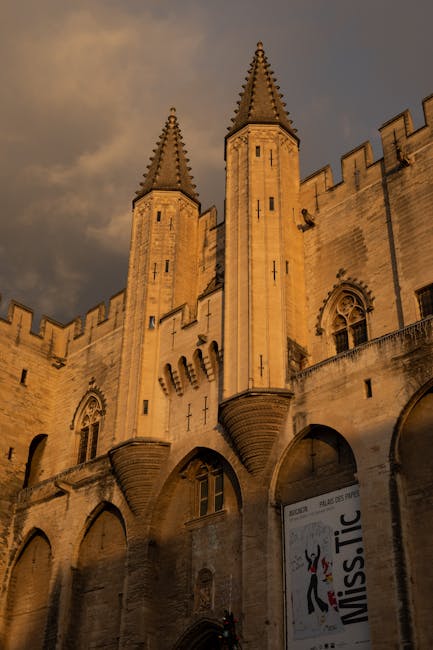
In Avignon, the Palais des Papes (Place du Palais, 84000 Avignon) reopens and is pleasant to visit without the summer crowds. Typical hours: 9:00–18:30 (variable by season); full price around €12–€16; discounts for students and youth. Tip: arrive early to enjoy the soft light on the façade and the gardens. 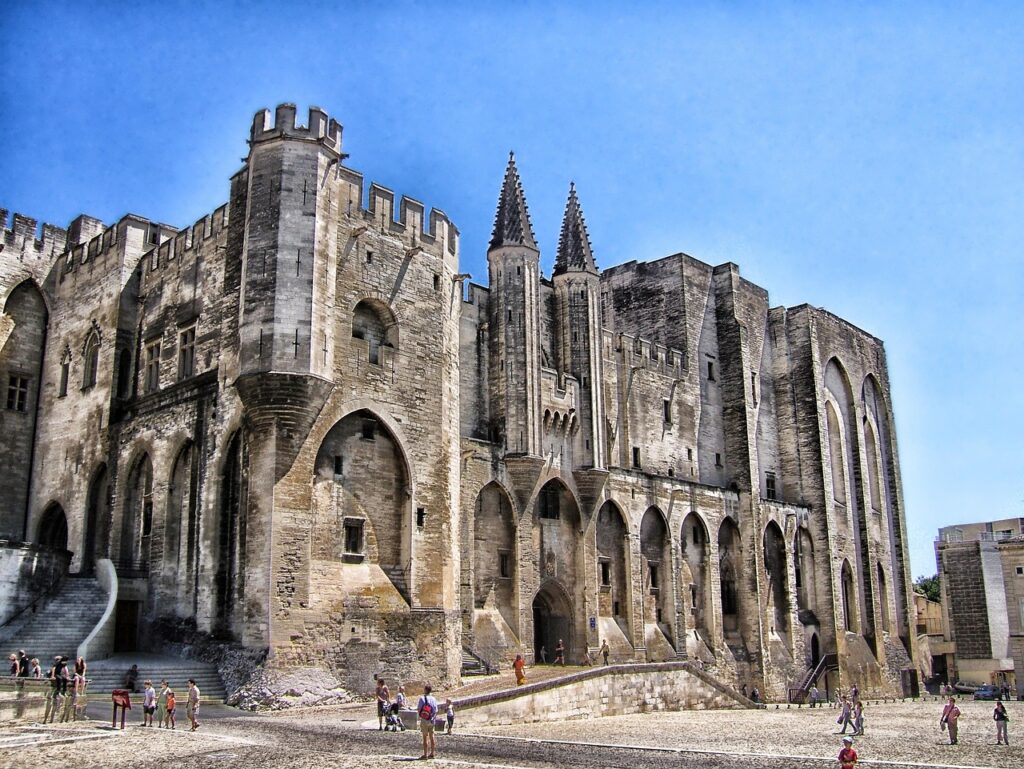
Spring markets are a sensory feast: the Apt Market (Place de la Mairie, 84400 Apt) on Saturdays, the Provençal market in L’Isle-sur-la-Sorgue (Place de l’Église, 84800 L’Isle-sur-la-Sorgue) on Sundays, and the Marché des Prêcheurs in Aix-en-Provence (Cours Mirabeau, Boulevard du Cours Mirabeau, 13100 Aix-en-Provence) offer flowers, asparagus, strawberries and local produce. Typical hours: 8:00–13:00. 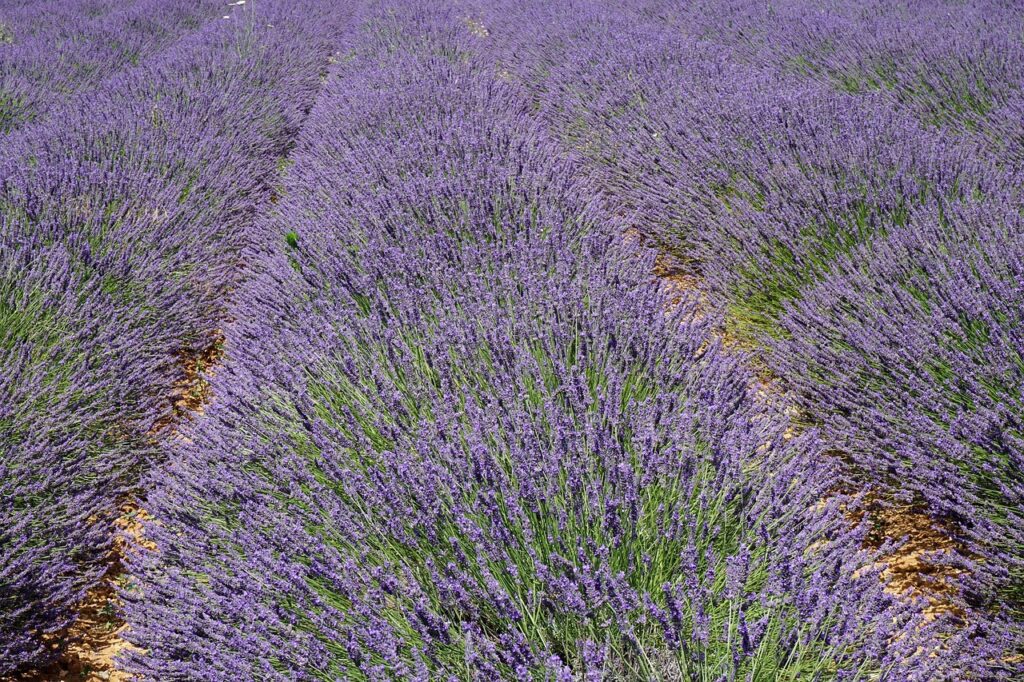
Nature starts to burst into life: the Valensole Plateau (Plateau de Valensole, 04500 Valensole) shows the first late lavenders by late spring — full bloom usually happens in June, but in May you’ll find buds and fragrance-filled meadows. Easy walks and panoramic views of the Alpes-de-Haute-Provence are recommended. 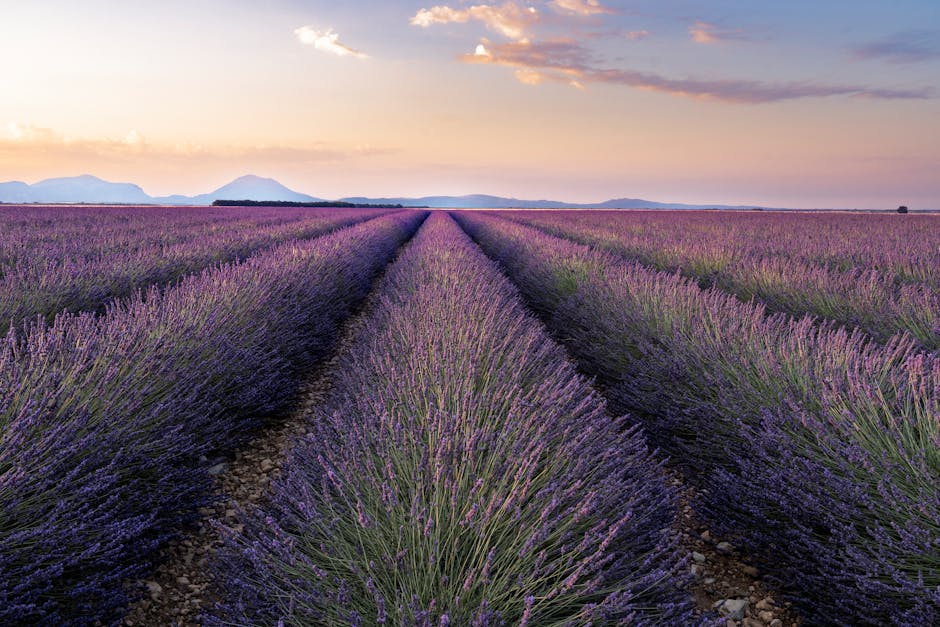
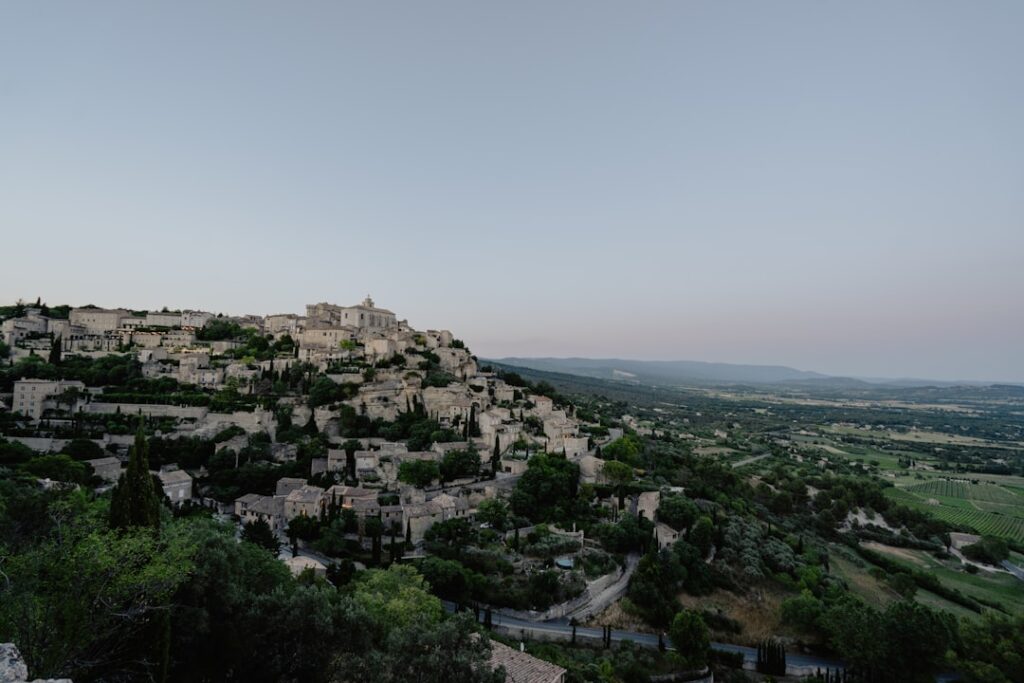
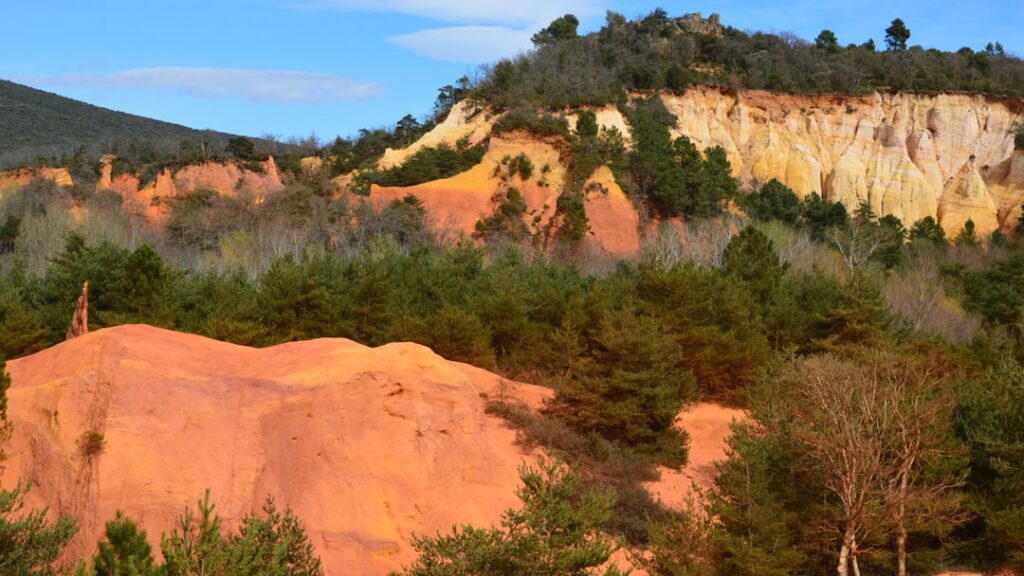
Practical tips: pack layers — a windbreaker and comfortable walking shoes — for morning excursions, and plan visits for the morning or late afternoon to avoid cooler daytime periods. Accommodation and restaurants are generally cheaper than high season, but some attractions change their opening times; check before you go. Highlights to visit: the Abbaye de Sénanque (Abbaye Notre-Dame de Sénanque, 84220 Gordes), extremely photogenic in spring, and Luberon villages such as Gordes (Place de la Mairie, 84220 Gordes) and Roussillon (Sentier des Ocres, 84220 Roussillon). 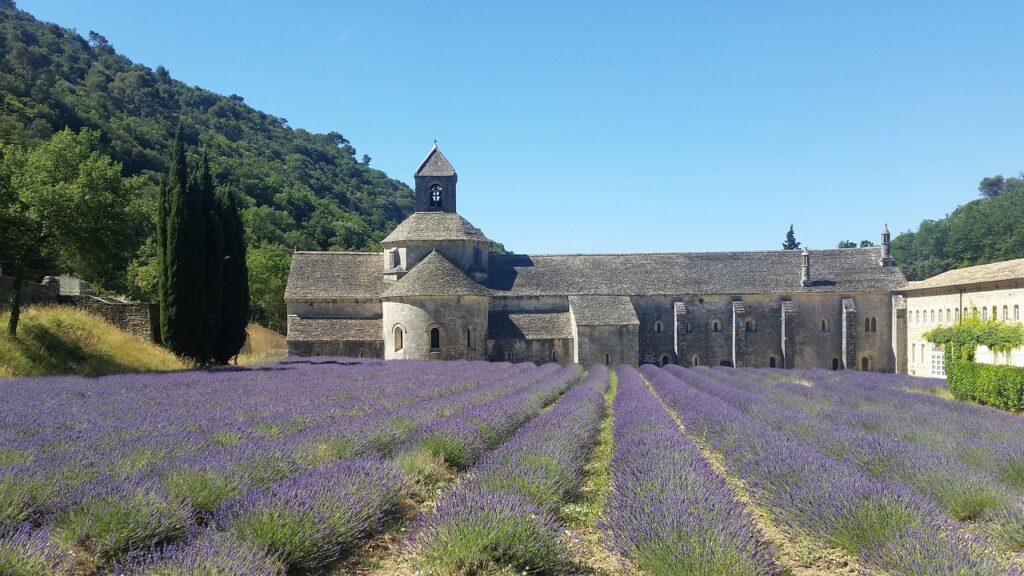
Summer in Provence — Heat, Festivals and Peak Tourism
Summer (June to August) is high season in Provence and the liveliest time of year: cultural festivals, seaside tourism and long sun-drenched days. Temperatures regularly climb above 30°C, with heatwaves pushing them to 35–40°C. The Mediterranean provides welcome relief; remember to protect your skin and eyes from intense sun.
Festivals are everywhere: the Festival d’Avignon (both in and off) takes place in July at the Palais des Papes and across the city; buy tickets in advance as prices vary widely depending on the show (from around €10 for off events to > €50 for major productions). In Aix-en-Provence the International Opera Festival runs in July, with performances at the Grand Théâtre de Provence (Place de l’Archevêché, 13100 Aix-en-Provence). 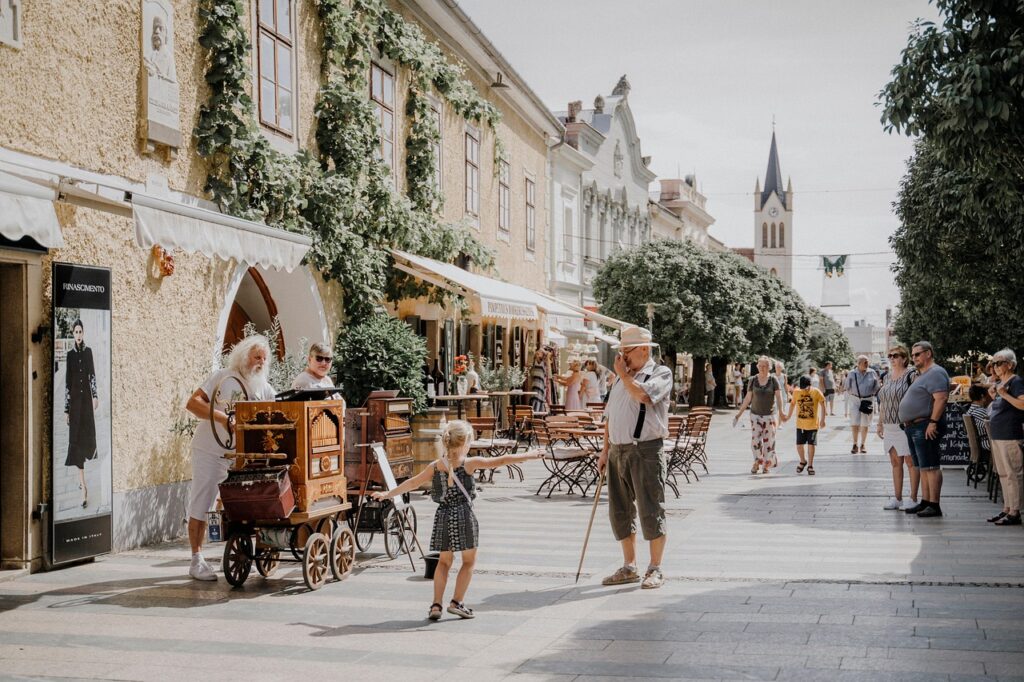
For the sea and the Calanques: depart from the Port of Cassis (Port de Cassis, 13260 Cassis) for boat trips to the Calanques and the Calanques National Park (frequent boat stops; prices around €20–€30 for a half-day; departures roughly 9:00–17:00 depending on the operator). Beaches and coves are packed in August; aim for very early morning or late afternoon visits. For hikes in the Calanques (Calanque d’En-Vau, Calanque de Sormiou), start early and bring plenty of water. 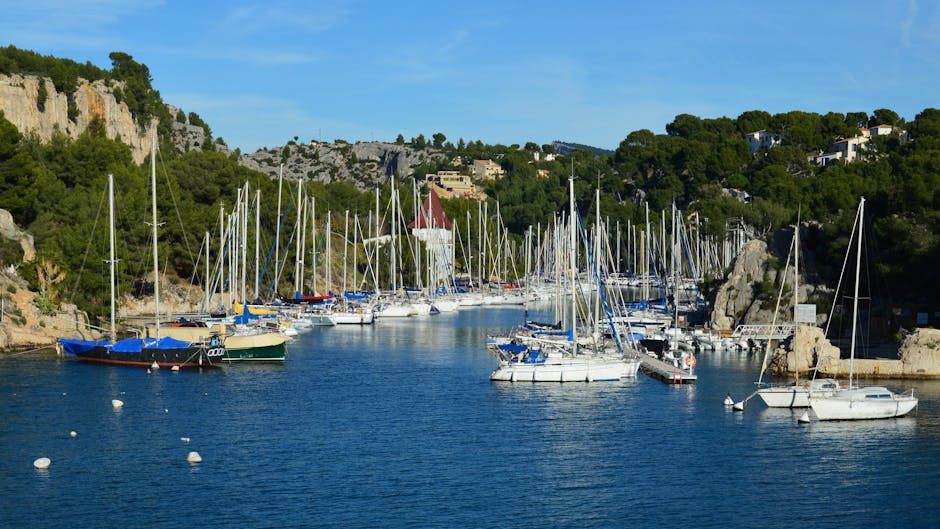
Night markets, terrace dining and riverside guinguettes create a festive vibe: try bouillabaisse at the Vieux-Port in Marseille (Quai des Belges, 13001 Marseille) — restaurants around the harbour offer dishes from around €20 (simple plates) to €60 (tasting menus). Typical restaurant hours: most serve 12:00–14:30 and 19:00–22:30. 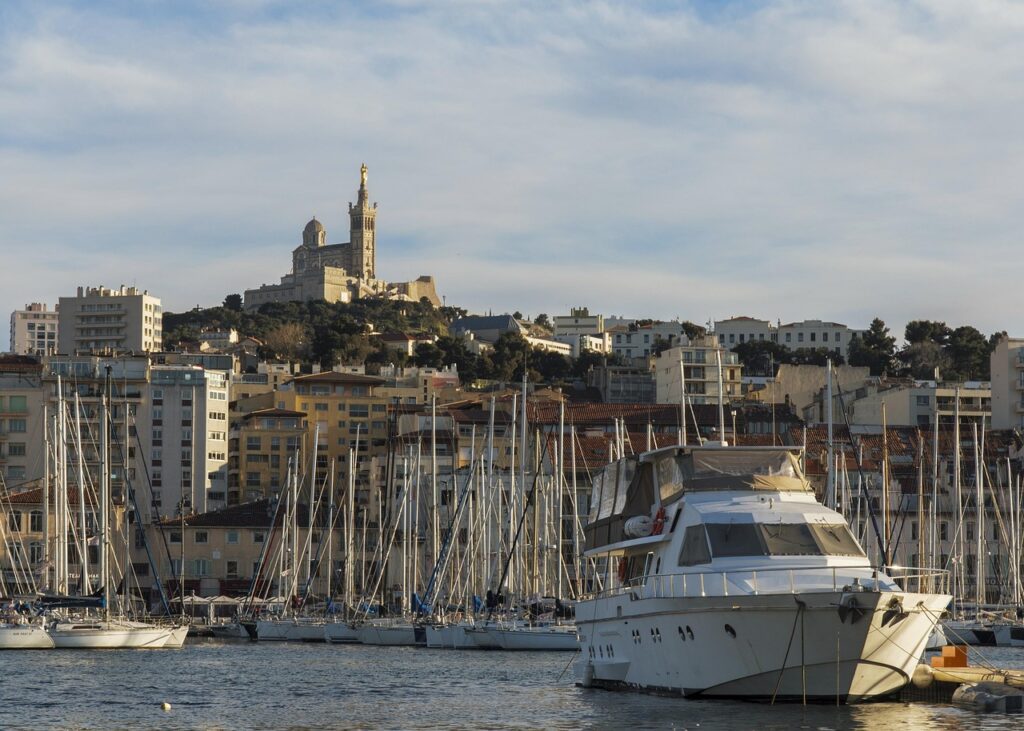
Summer tips: book accommodation and travel well in advance, use TER regional trains for main connections (schedules vary, prices depend on distance), visit popular sites early in the morning (Palais des Papes opens around 9:00; Château des Baux-de-Provence, Place Saint-Vincent, 13520 Les Baux-de-Provence, opens 10:00–18:00 in high season, price around €10–€12), and avoid the hottest hours of the day. 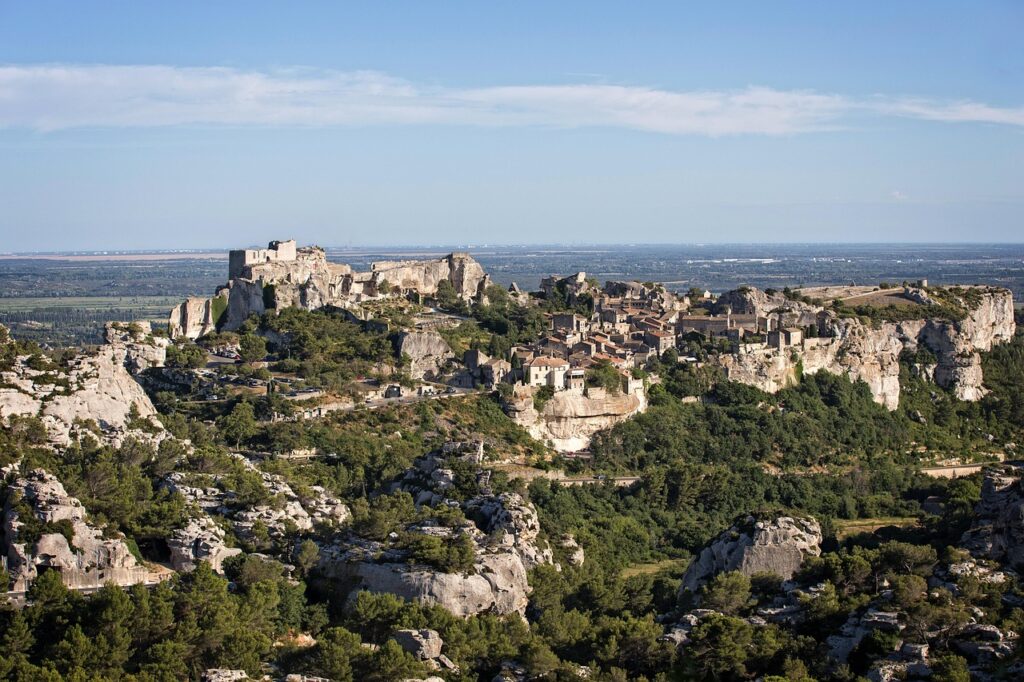
Autumn in Provence — Colours, Harvests and Gentle Weather
Autumn (September to November) brings a mellow atmosphere to Provence, changing hues and a bustling calendar — it’s harvest and olive-picking season. Temperatures stay pleasant in September and October (20–25°C), cooling in November (10–15°C). Summer crowds thin out, leaving a quieter, more authentic Provence.
Wineries and estates open their doors for harvests and tastings. For example, Château La Coste (Chemin de la Lauvette, 13610 Le Puy-Sainte-Réparade) offers visits, tastings and cultural events; tasting prices around €15–€30, hours variable (generally 10:00–18:00). In the Luberon, estates from the Ventoux and Côtes du Luberon appellations host harvest-related events. 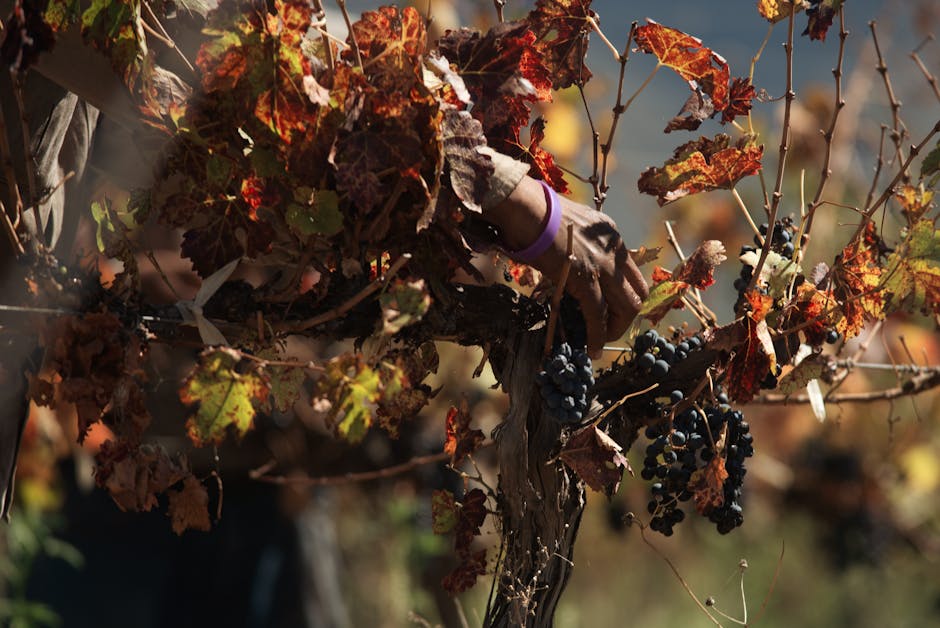
Villages take on golden tones: wander Roussillon (Sentier des Ocres, 84220 Roussillon) to admire the ochre cliffs in warm autumn light, or climb to Gordes (Place de la Mairie, 84220 Gordes) for wide-open valley views. Hiking trails become more pleasant as the heat eases; don’t forget a light jacket for evenings. 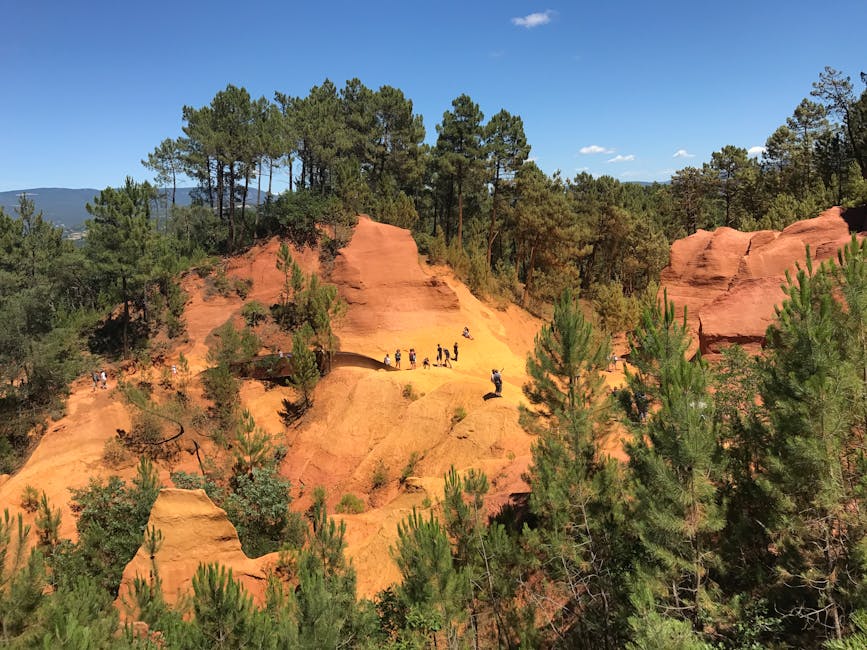
The Camargue reveals migratory birds and pink marshes: head to Les Saintes-Maries-de-la-Mer (Boulevard de la Mer, 13460 Saintes-Maries-de-la-Mer) to spot flamingos and wild horses, with 4×4 or horseback tours offered by local guides. Indicative prices: horseback excursions around €30–€60 depending on duration. 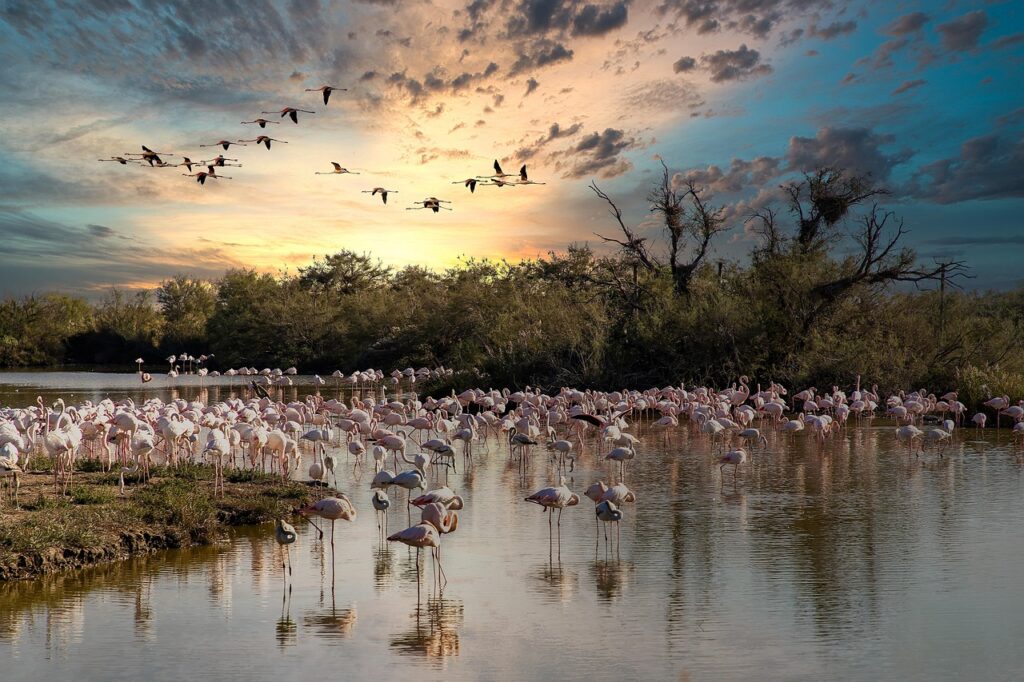
Practical advice: this is an ideal time to combine culture and nature without the crowds; take advantage of restaurants lowering prices off-peak and check reduced opening hours for some museums (many close one day a week, often Monday). Bring layers, walking shoes and a light umbrella just in case — autumn showers can be brief but heavy. Accommodation sometimes offers good deals: consider B&Bs in the Alpilles or small boutique hotels in Aix-en-Provence (for example hotels on the Cours Mirabeau, Boulevard du Cours Mirabeau, 13100 Aix-en-Provence). 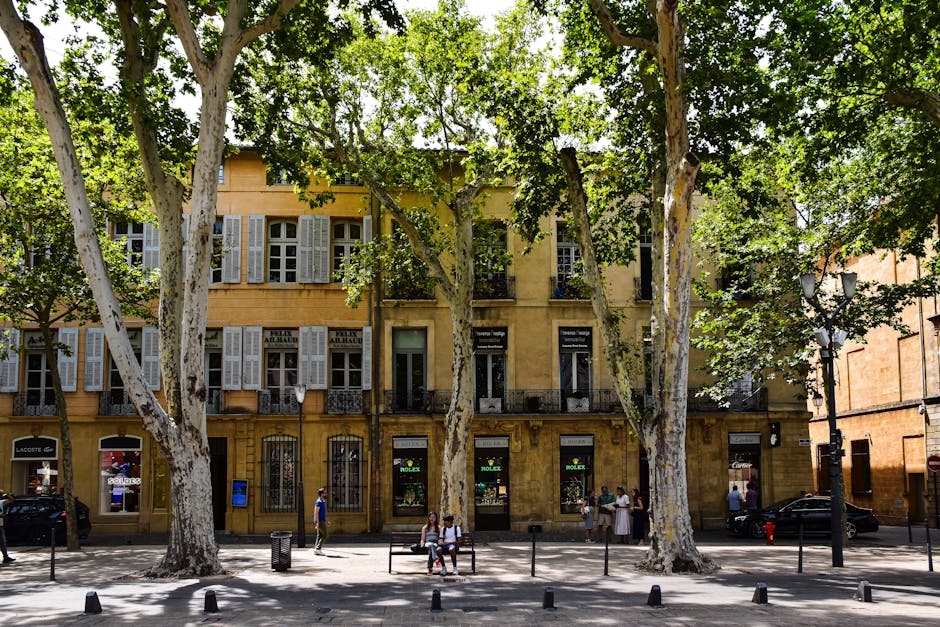
Winter in Provence — Light, Christmas Markets and Quiet Nature
Winter (December to February) in Provence is mild on the plains but can be cold and occasionally snowy at higher elevations (Mont Ventoux, Luberon). Days are short, and the low golden light creates exceptional photo opportunities. It’s the season for Christmas markets, truffles and local winter fêtes.
In Avignon, many sites remain open with far fewer visitors: the Pont Saint-Bénézet (Pont Saint-Bénézet, 84000 Avignon) is quieter, entry costs about €5–€6 and hours are often 9:30–17:00 off-season. The town sometimes hosts winter markets and year-end events on the Place de l’Horloge (Place de l’Horloge, 84000 Avignon). 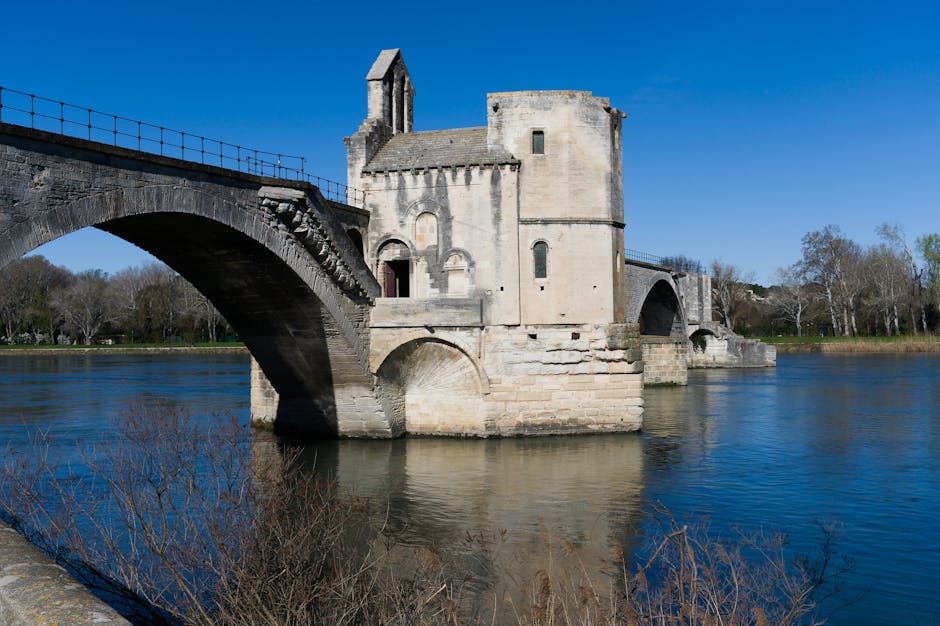
Restaurants and gourmet markets focus on winter produce: black truffles from Richerenches (Richerenches, 84600) with their truffle markets (season December to March), oysters and shellfish by the coast, and hearty soups. A meal at a quality brasserie can cost around €20–€40 per person depending on the menu. 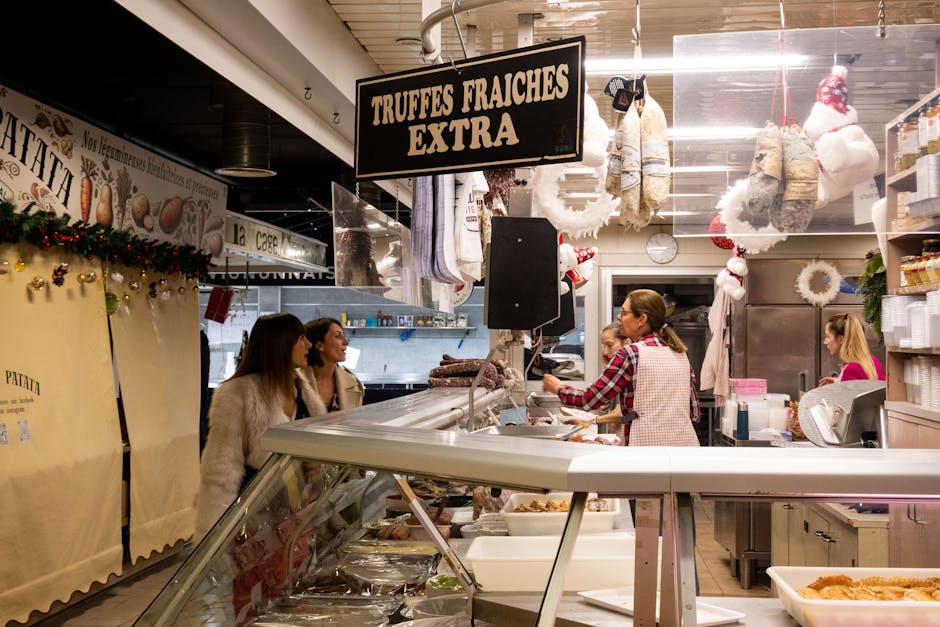
For the outdoors, the Camargue and the Alpilles offer refreshing walks; the Parc Naturel Régional des Alpilles (Parc naturel régional des Alpilles, 13210 Saint-Rémy-de-Provence) is perfect for outings with few people around. Note: some secondary roads can be icy on winter mornings at altitude — check road conditions and equip your vehicle accordingly. 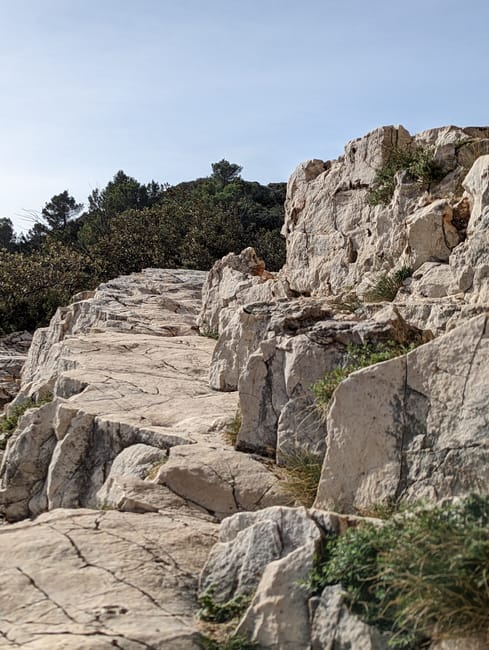
Local tips: take advantage of off-season rates to stay in wine estates or charming hotels; book a dinner by the fireplace or in a traditional inn for a cozy evening. Check reduced opening hours for museums and attractions, and drive carefully if you head up to Mont Ventoux or the Luberon in freezing conditions. Photographers will appreciate winter’s special light, especially late afternoon when the sun drops over olive groves and rolling hills. 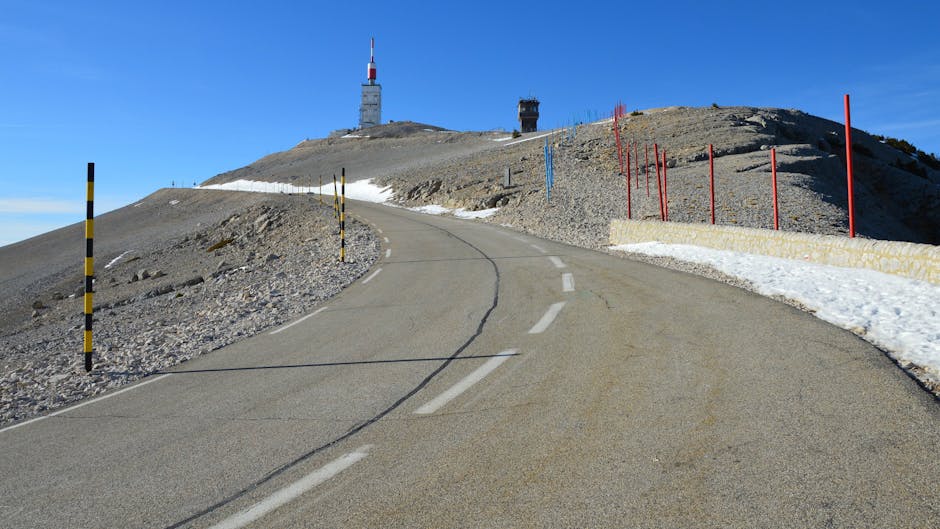
Conclusion — Pick Your Provence Based on What You Want
Provence reads like a book with distinct seasonal chapters. Spring charms with fields reborn and lively markets, summer attracts with festivals and beaches, autumn seduces with harvests and colours, while winter offers a quieter, more intimate Provence with crisp light and concentrated flavours. Depending on your priorities — seaside relaxation, cultural immersion, photographic hikes or wine tasting — the ideal season will vary.
Plan with the practical points in this guide in mind: exact addresses (Palais des Papes, Place du Palais, 84000 Avignon; Port de Cassis, 13260 Cassis; Abbaye Notre-Dame de Sénanque, 84220 Gordes; Château des Baux-de-Provence, Place Saint-Vincent, 13520 Les Baux-de-Provence; Apt Market, Place de la Mairie, 84400 Apt), indicative prices (museums €5–€20, boat trips €20–€30, tastings €15–€30), and common hours (museums 9:00–18:00, markets 8:00–13:00) — these reference points will help you organise your days efficiently.
Final recommendations: always double-check opening times and availability online before you go, book ahead for peak periods (July–August, festival season), dress for the season and for temperature swings, and favour early mornings or late afternoons for popular sights. Provence is best enjoyed slowly — give yourself time to take in its scents, light and cuisine. Whatever season you choose, you’ll find local authenticity, diverse landscapes and cultural richness that make every visit unique.